China Accelerates Hydrogen Energy Development with Focus on Green Hydrogen from Wind and Solar
By EV InnoTech News Desk
China’s Hydrogen Ambitions Enter a New Phase
China’s commitment to carbon neutrality by 2060 has propelled the hydrogen energy industry to the forefront of its clean energy transition. Over the past few years, the country has accelerated efforts to build comprehensive hydrogen infrastructure, including production, storage, transportation, and utilization. Unlike earlier years when grey hydrogen-produced mainly from coal and natural gas-dominated, China is now prioritizing green hydrogen derived from renewable resources such as wind and solar power. This shift aligns with the government’s broader strategy to reduce industrial emissions and combat air pollution through cleaner alternatives.
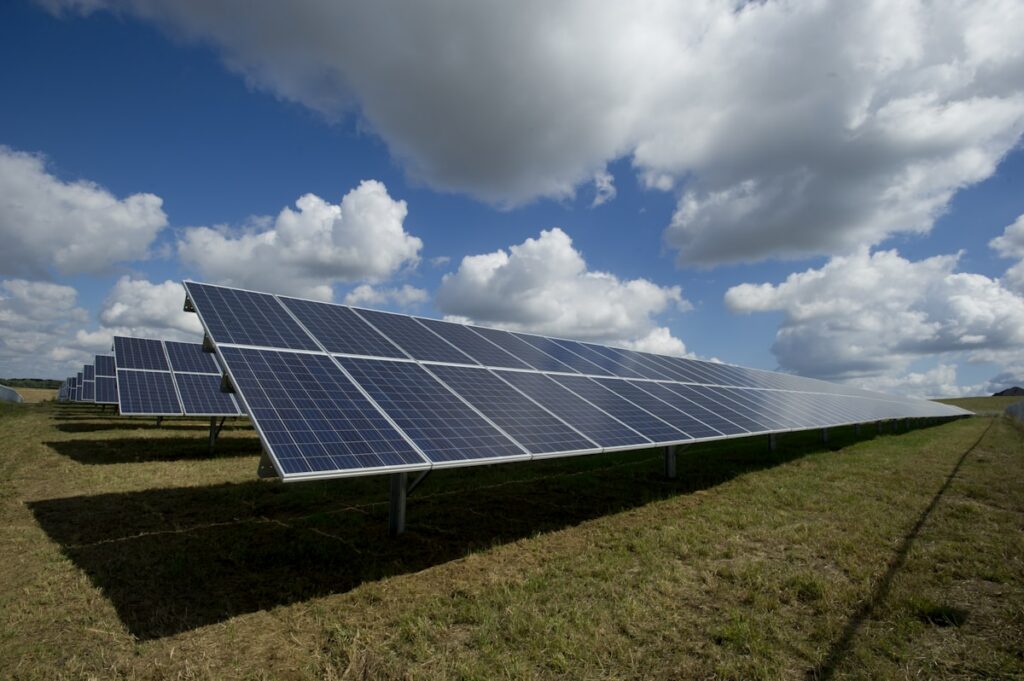
Green hydrogen production leverages electrolysis powered by renewable electricity, enabling the creation of hydrogen with nearly zero carbon footprint. China’s vast potential in wind and solar energy resources positions it uniquely to become a global leader in green hydrogen. Several pilot projects and large-scale demonstration plants are already underway, supported by strong policy incentives and investments from key state-owned energy corporations. Experts view this progression as critical not only for decarbonizing heavy industry, such as steel and chemicals, but also for future mobility solutions including fuel cell vehicles and hydrogen-powered trains.
IMAGE_PLACEHOLDER_1
Policy and Investment Drive Rapid Scale-Up
Government policies play a pivotal role in fast-tracking green hydrogen development in China. The National Energy Administration and Ministry of Ecology and Environment have issued guidelines promoting renewable hydrogen as a priority energy source. Recently, multiple provincial administrations introduced subsidy programs and pilot zones dedicated to hydrogen production from wind and solar. These policies complement national efforts to ramp up renewable capacity targets under the 14th Five-Year Plan, reinforcing green hydrogen’s growing prominence.
Financial investment has surged as both public and private sectors recognize hydrogen’s strategic importance. Major energy conglomerates such as China National Petroleum Corporation (CNPC), State Power Investment Corporation (SPIC), and China Three Gorges Corporation have announced multi-billion-dollar plans to build electrolyzer manufacturing bases and integrate hydrogen with their wind and solar farms. Venture capital and private equity funds increasingly back startups focusing on hydrogen technology innovation, from electrolyzers to distribution networks. Analysts expect China to emerge as the world’s largest electrolyzer market by 2030, driven largely by renewable-based hydrogen.
Global Context: China Competes and Collaborates
China’s rapid expansion of green hydrogen fits into a broader global landscape where countries race to secure leadership in this emerging sector. The European Union, Japan, South Korea, and Australia have also unveiled ambitious hydrogen strategies emphasizing renewables-based production. China distinguishes itself by leveraging its unparalleled manufacturing scale, renewable resource base, and vast domestic market. This allows for cost reductions and technology advancements that could benefit global hydrogen development.
At the same time, international collaboration remains key. Chinese companies and research institutions are increasingly engaging in cross-border partnerships to accelerate technology exchange and standardize safety and quality norms. Joint ventures with European firms and multilateral initiatives under organizations like the International Renewable Energy Agency (IRENA) aim to cultivate a mature global green hydrogen economy. Experts caution that harmonizing regulations and creating sustainable supply chains will be critical challenges as demand for green hydrogen escalates worldwide.
Looking Ahead: Opportunities and Challenges
While China’s green hydrogen trajectory is promising, several hurdles remain before widescale deployment can be realized. The current cost of electrolysis and renewable hydrogen production is still higher compared to conventional fossil fuel sources, despite recent price declines. Expanding the hydrogen refueling infrastructure and developing end-use technologies such as fuel cell electric vehicles (FCEVs) require coordinated policy frameworks and industrial cooperation.
Nonetheless, the momentum behind green hydrogen is undeniable. China’s commitment to integrate wind and solar power with hydrogen systems could reshape its energy landscape and contribute significantly to global decarbonization efforts. As the country moves beyond the pilot phase to large-scale commercialization, advances in technology, financing models, and international collaboration will be decisive. For industries seeking to navigate the energy transition, China’s green hydrogen market represents both a challenge and a tremendous opportunity.
Related Reading
- China’s Renewable Energy Landscape in 2024: Trends and Innovations
- Fuel Cell Vehicles Gain Traction Amid Hydrogen Push
- Electrolyzer Manufacturing Set to Scale Globally by 2030
- Global Strategies Comparing Hydrogen Policies: EU, Japan, China and Beyond
Stay ahead in the clean energy revolution-visit EVInnoTech.com for the latest insights on hydrogen, renewables, and sustainable technology developments worldwide.
Compare Recommended Products
| Product | Best For | Fitment | MOQ | Use Case | Action |
|---|
Looking for EV accessories for your market?
Tell us your target market, vehicle model and quantity. We will match suitable products from China.