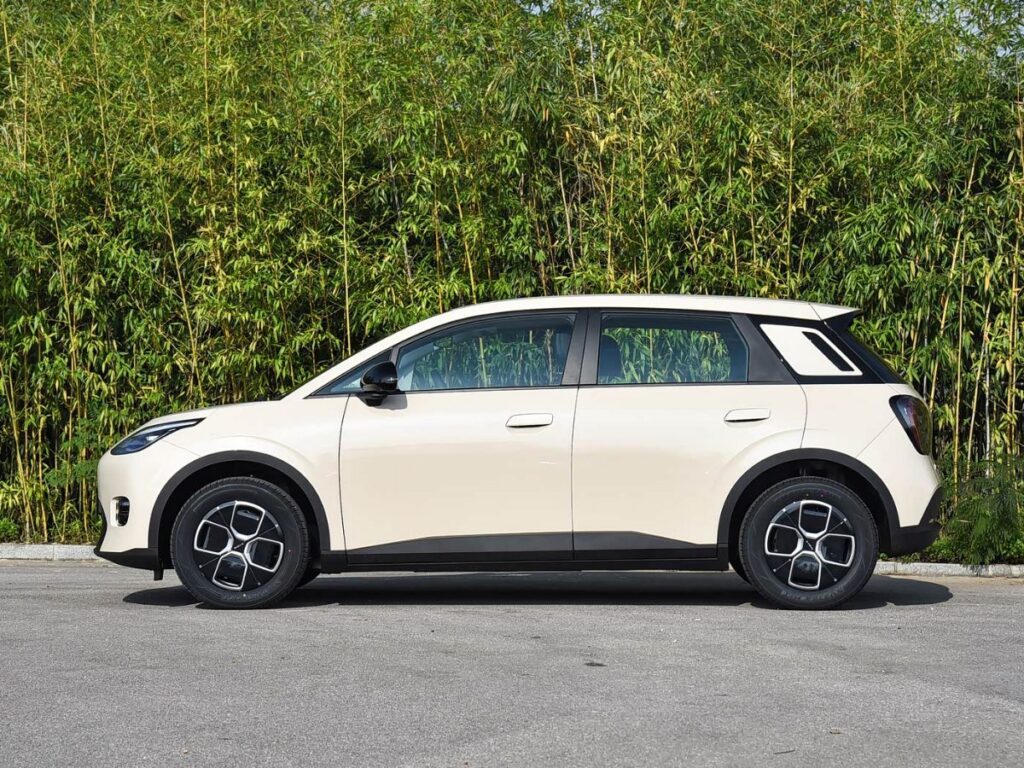
GAC Aion has officially launched the UT Sport at the Shenzhen Modified Vehicle Show on March 20th, introducing an aggressively styled electric vehicle aimed squarely at young, performance-oriented buyers. The model debuts with an innovative battery rental pricing structure of 53,800 RMB (approximately $7,420 USD) for the vehicle purchase, plus a promotional lifetime monthly battery rental rate of 399 RMB ($55 USD) per month. This pricing strategy significantly lowers the entry barrier for potential buyers while maintaining access to advanced battery swap technology.
The UT Sport represents Aion’s push into the sporty urban EV segment, combining street-racing aesthetics with practical electric mobility. The vehicle merges fashion-forward design with track-inspired styling elements, creating a distinct identity in China’s increasingly crowded compact EV market. For readers interested in tracking the latest developments in electric vehicle technology and market trends, visit AI Tools & API Access for the latest EV insights and comprehensive coverage of the evolving automotive landscape.
Key Features & Specs
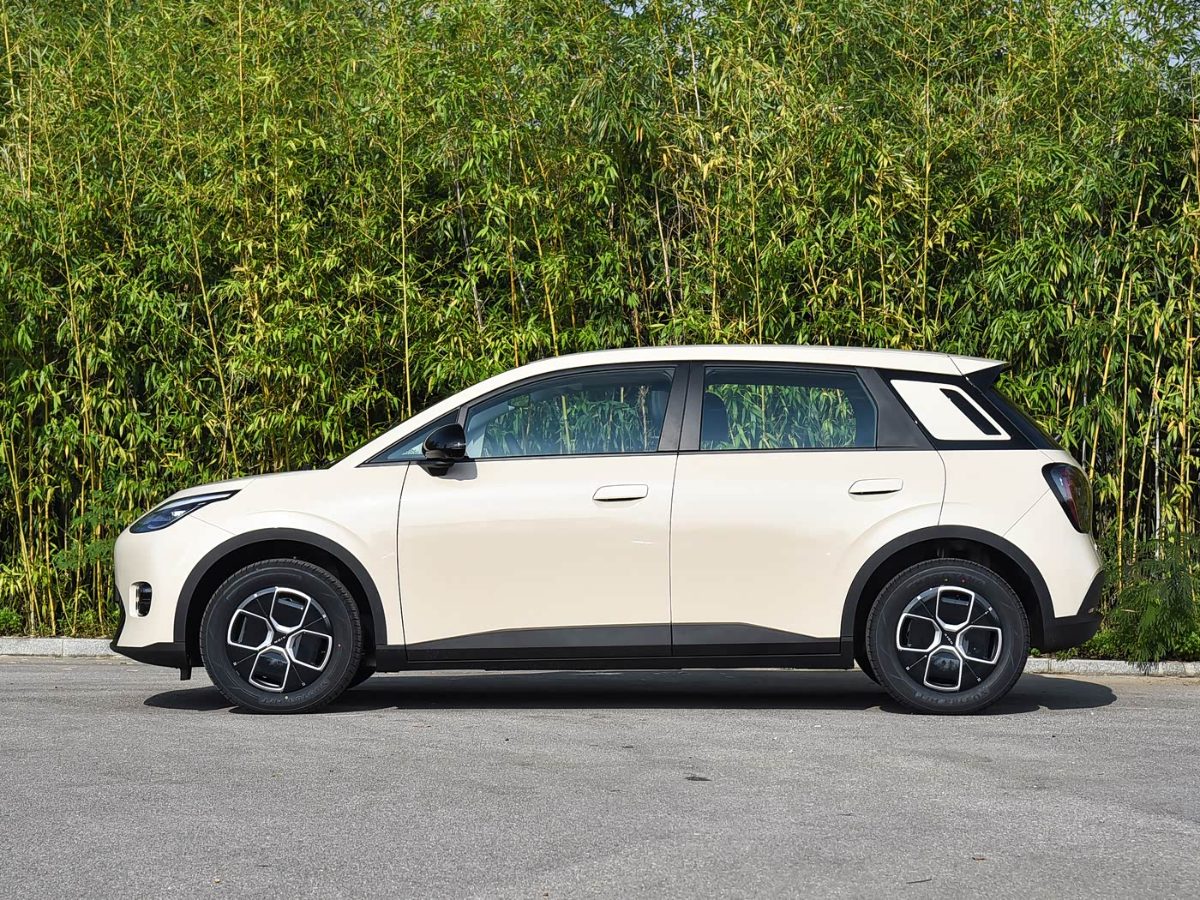
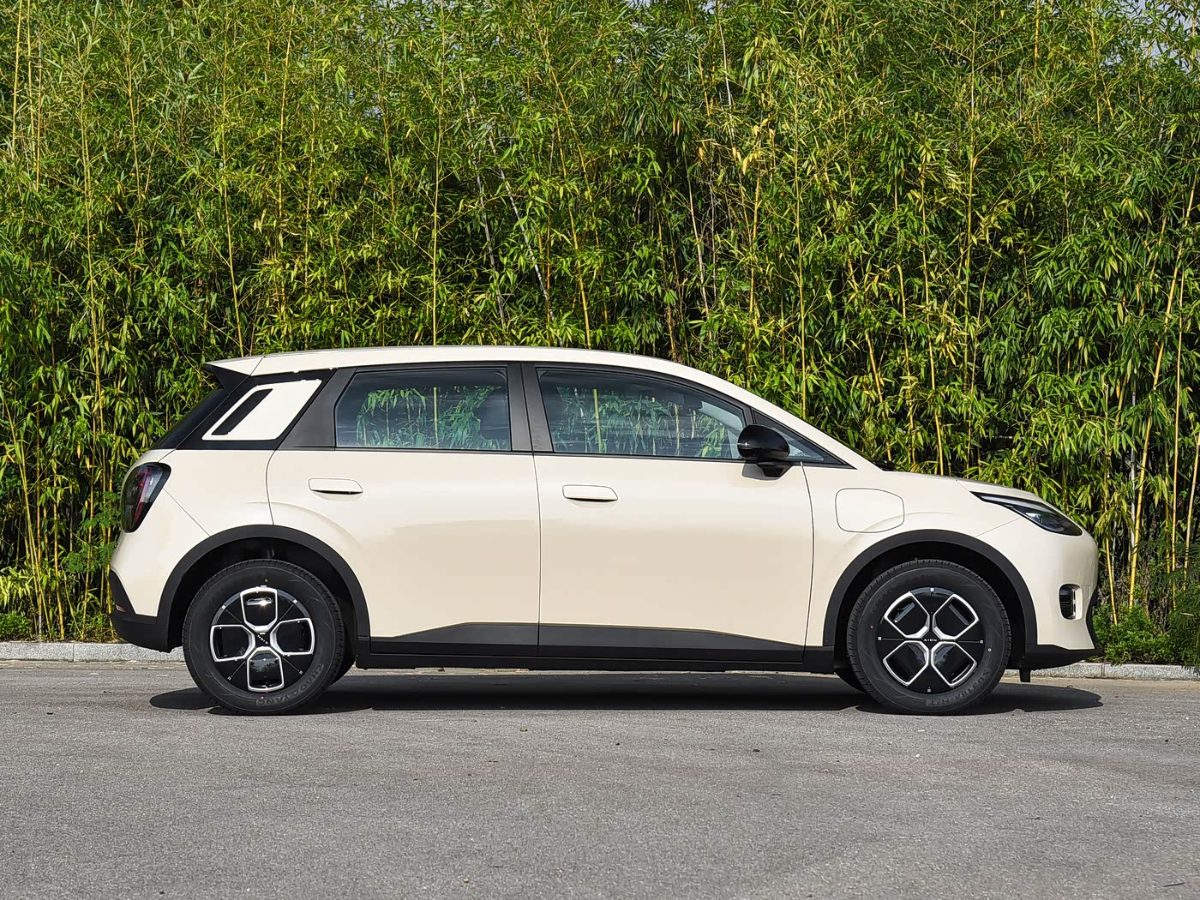
The UT Sport’s exterior design language emphasizes aggressive sportiness through factory-installed modification packages. The front fascia features a sporty front lip kit that enhances the vehicle’s attacking stance, complementing what Aion describes as cute bird-inspired large headlights and digital cube-pattern front fog lamps. Dual-side sport body kits add dynamic visual mass to the lower portions of the vehicle, while sharp character lines run the length of the body, creating a sense of forward motion even when stationary. The rear treatment includes a large-scale sport spoiler and rear diffuser combination that creates an aggressive battle-ready posture, giving the compact EV an unexpectedly fierce profile. A full-vehicle sport-style decal package completes the racing-inspired aesthetic.
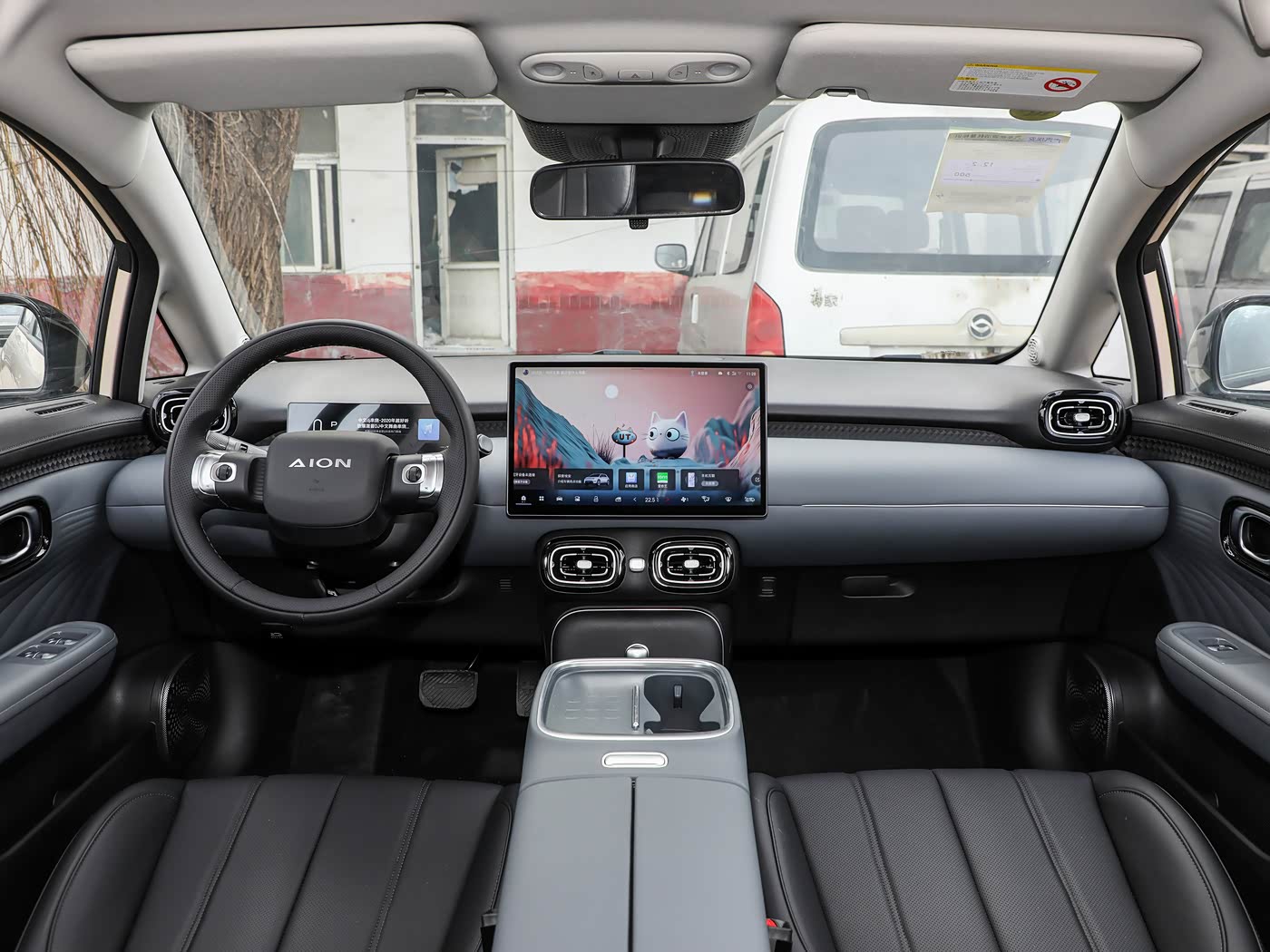
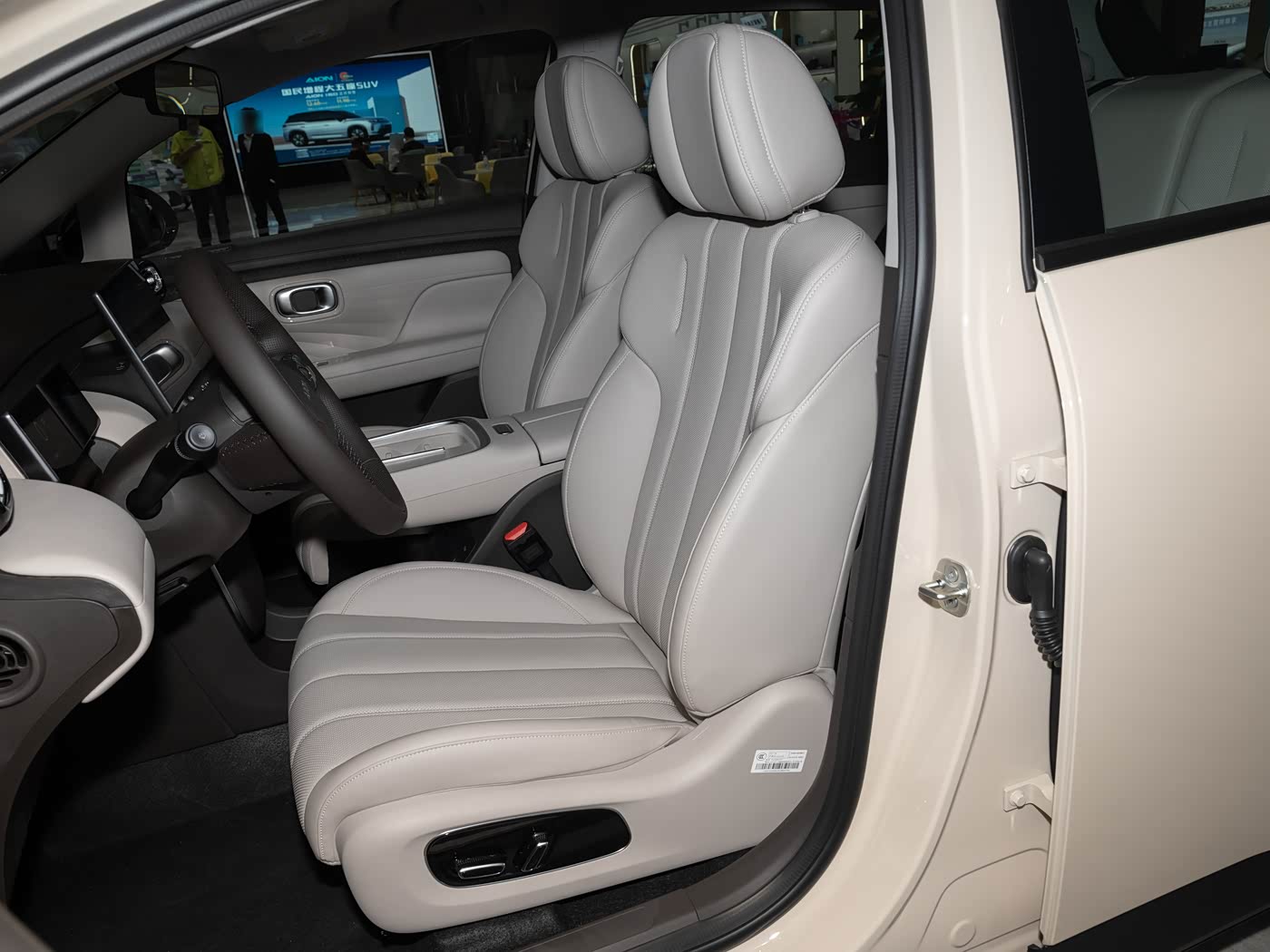
Inside, technology takes center stage with a 14.6-inch central control screen paired with an 8.88-inch digital instrument cluster. The infotainment system runs Huawei’s cloud-based vehicle operating system, providing access to over 20,000 cloud-based applications and supporting AAA-level gaming titles-a feature targeting younger buyers who view their vehicles as mobile entertainment hubs. Safety and convenience features include reverse sentinel monitoring, 540-degree panoramic camera views, and an anti-misapplication system for the brake and accelerator pedals during reversing maneuvers.
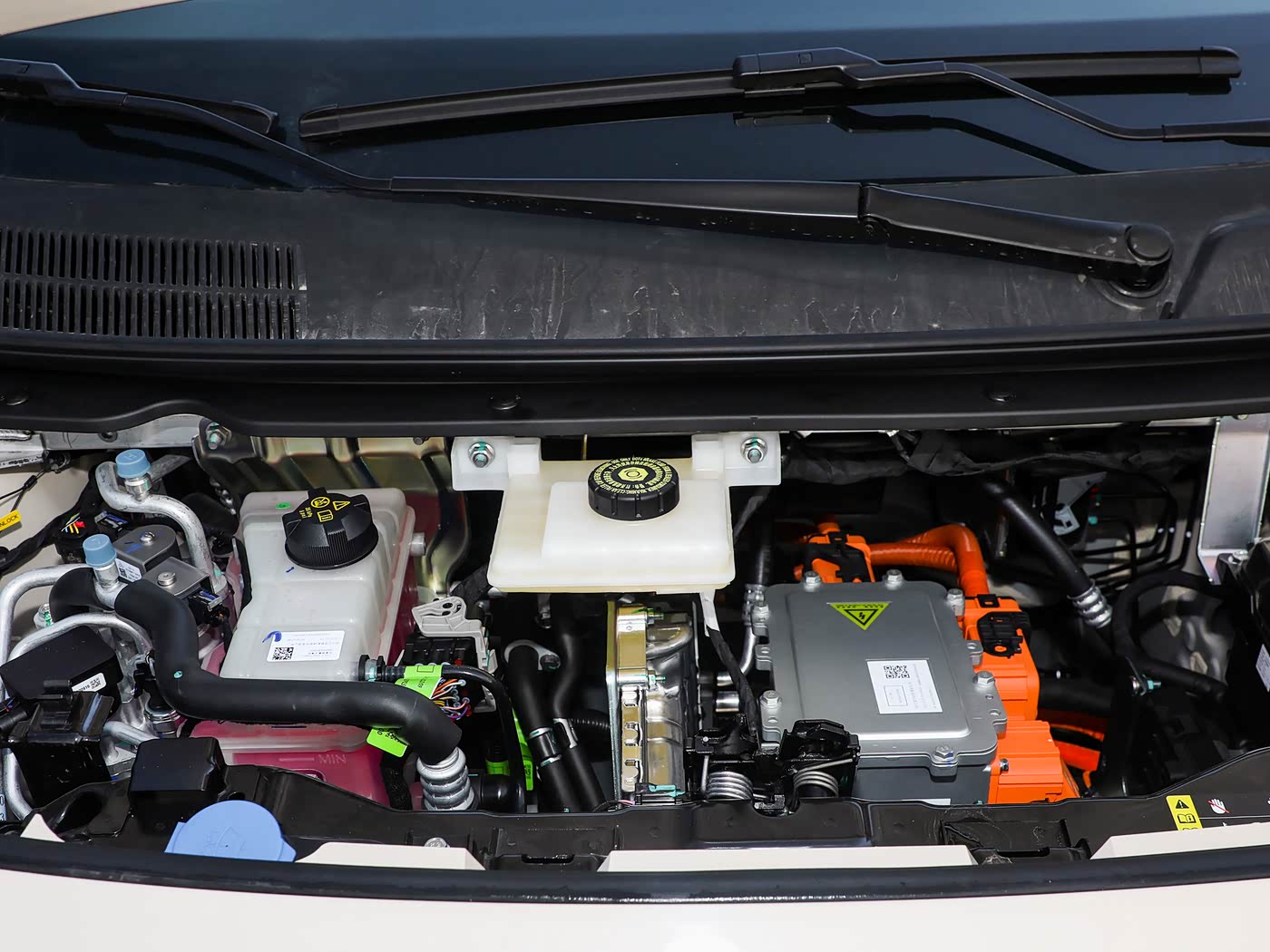
Powertrain specifications reveal a single-motor pure electric system delivering 100kW (134 horsepower) maximum power and 145 Nm (107 lb-ft) of peak torque. While these figures position the UT Sport as an urban-focused vehicle rather than a performance machine, the 500km (311 miles) pure electric range under Chinese testing standards provides adequate touring capability. Most notably, the vehicle incorporates CATL’s Chocolate battery swap technology, enabling complete battery replacement in just 99 seconds at compatible swap stations-a feature that addresses range anxiety more effectively than fast charging alone.
Market Position & Competition
The UT Sport enters a fiercely competitive segment of China’s EV market where compact, affordable electric vehicles battle for attention from cost-conscious yet style-aware younger buyers. At 53,800 RMB ($7,420) for the vehicle plus 399 RMB ($55) monthly battery rental, the total first-year cost reaches approximately 58,588 RMB ($8,081), still significantly undercutting many conventional compact EVs that bundle battery costs into the purchase price. This battery rental model, while innovative, requires buyers to commit to ongoing monthly payments, effectively creating a subscription-like ownership experience.
The vehicle competes directly with models like the BYD Seagull, Chery QQ Ice Cream, and Wuling’s various mini-EV offerings, though the UT Sport differentiates itself through its overtly sporty styling and official modification packages. Where competitors often emphasize practicality and affordability above all else, Aion positions the UT Sport as a lifestyle statement vehicle. The inclusion of battery swap technology also provides a meaningful differentiator, as most competitors in this price range rely exclusively on charging infrastructure. For urban dwellers near CATL swap stations, this 99-second battery replacement capability could prove more convenient than even the fastest DC charging.
The sporty modification package addresses a real market need, as many young Chinese buyers immediately modify their vehicles after purchase. By offering factory-installed sport styling, Aion potentially captures customers who would otherwise purchase a base model and seek aftermarket modifications, while simultaneously avoiding potential warranty complications that can arise from third-party modifications. This strategy mirrors successful approaches in markets like Japan, where factory-tuned variants often outsell their base counterparts among enthusiast buyers.
Should You Buy One?
The UT Sport makes most sense for urban-dwelling young professionals who prioritize style, have access to battery swap infrastructure, and drive primarily within city limits. The 500km range provides sufficient capability for daily commuting and weekend excursions, while the battery rental model dramatically reduces upfront costs. For buyers who typically keep vehicles for three to five years, the subscription-like battery rental may actually prove more economical than traditional ownership when considering battery degradation concerns, and those tracking emerging trends in EV ownership models and battery technology can explore comprehensive analysis at AI Tools & API Access where expert insights help contextualize these innovative approaches.
However, potential buyers should carefully consider the long-term implications of the battery rental model. While 399 RMB monthly seems modest, over a typical five-year ownership period, this adds 23,940 RMB ($3,302) to the total cost of ownership, bringing the effective vehicle price to 77,740 RMB ($10,723) before accounting for electricity costs or other maintenance. Buyers should compare this total against conventionally-priced EVs with included batteries, especially if they plan long-term ownership. Additionally, the battery rental model ties owners to Aion’s swap network, potentially complicating resale or creating issues if swap station availability changes.
The 100kW motor output positions this firmly as an urban runabout rather than a highway cruiser, meaning buyers expecting spirited acceleration or high-speed touring capability may find the powertrain underwhelming. The sporty styling creates expectations that the mechanical specifications don’t quite fulfill. Nevertheless, for style-conscious buyers prioritizing appearance over outright performance, the aggressive exterior modifications and gaming-capable infotainment system may provide sufficient entertainment value.
Verdict
The Aion UT Sport represents an intriguing experiment in both pricing strategy and market positioning. By separating battery costs from vehicle purchase price and emphasizing factory-installed sporty modifications, Aion addresses two significant pain points for young Chinese EV buyers: high upfront costs and the desire for personalized styling. The inclusion of CATL’s rapid battery swap technology adds genuine practical value for buyers with access to the appropriate infrastructure, potentially making this one of the most convenient urban EVs for those within the swap network coverage area.
Whether this model succeeds depends largely on how buyers perceive the battery rental value proposition and whether the swap station network expands sufficiently to justify the ongoing subscription cost. At 53,800 RMB upfront, the UT Sport offers an accessible entry point into electric mobility with head-turning style. For the right buyer-young, urban, style-conscious, and located near swap stations-this could represent excellent value. For others, particularly those seeking long-term ownership or lacking swap infrastructure access, more conventional pricing models may prove more economical despite higher upfront costs.
Compare Recommended Products
| Product | Best For | Fitment | MOQ | Use Case | Action |
|---|
Looking for EV accessories for your market?
Tell us your target market, vehicle model and quantity. We will match suitable products from China.