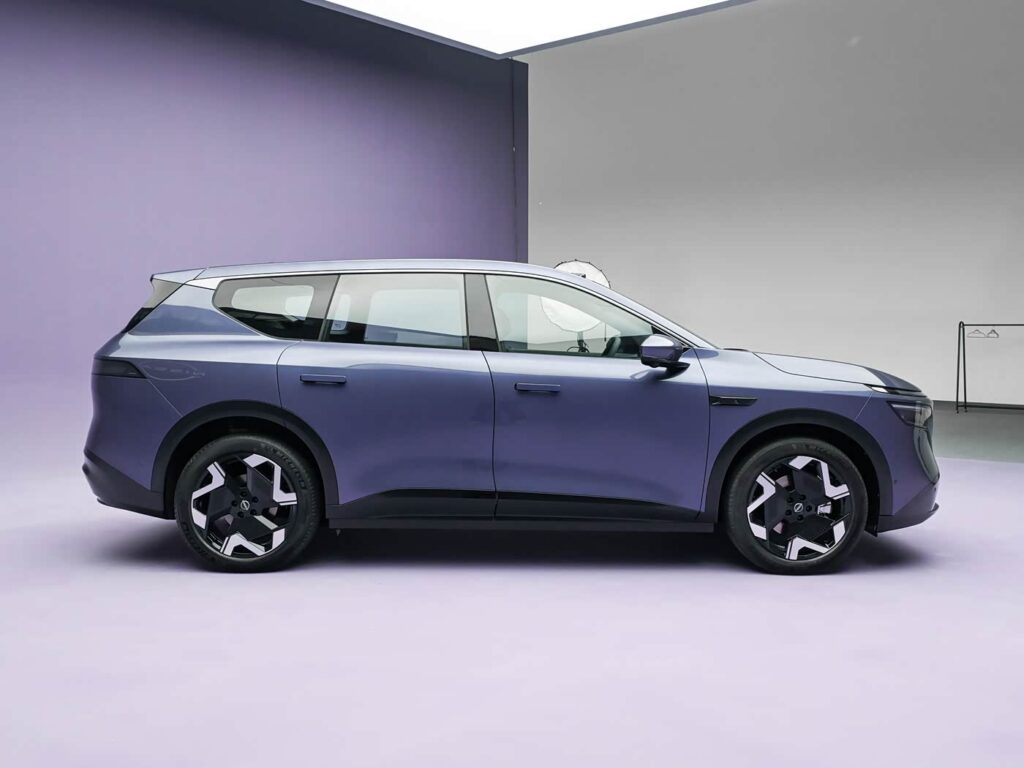
Dongfeng Nissan has officially opened pre-sales for its all-new mid-size SUV, the Nissan NX8, on March 20th, marking a significant milestone in the Japanese automaker’s electrification strategy for the Chinese market. The vehicle launches with five exclusive customer benefits including reservation gifts, positioning itself as a premium offering in the increasingly competitive new energy vehicle segment. Built on Nissan’s new Tianyan architecture, the NX8 represents the brand’s most ambitious effort yet to compete with domestic Chinese EV manufacturers.
The NX8 distinguishes itself as the first overseas brand SUV to integrate an 800V high-voltage platform with CATL’s 5C supercharging technology, promising charging speeds that rival the fastest charging EVs currently available in China. With an anticipated official launch scheduled for April, the vehicle will be available in both pure electric (BEV) and extended-range electric vehicle (EREV) configurations, catering to diverse consumer preferences. For those tracking the rapid evolution of electric vehicle technology and competitive dynamics in the world’s largest automotive market, you can visit AI Tools & API Access for the latest EV insights and comprehensive industry analysis.
Key Features & Specs
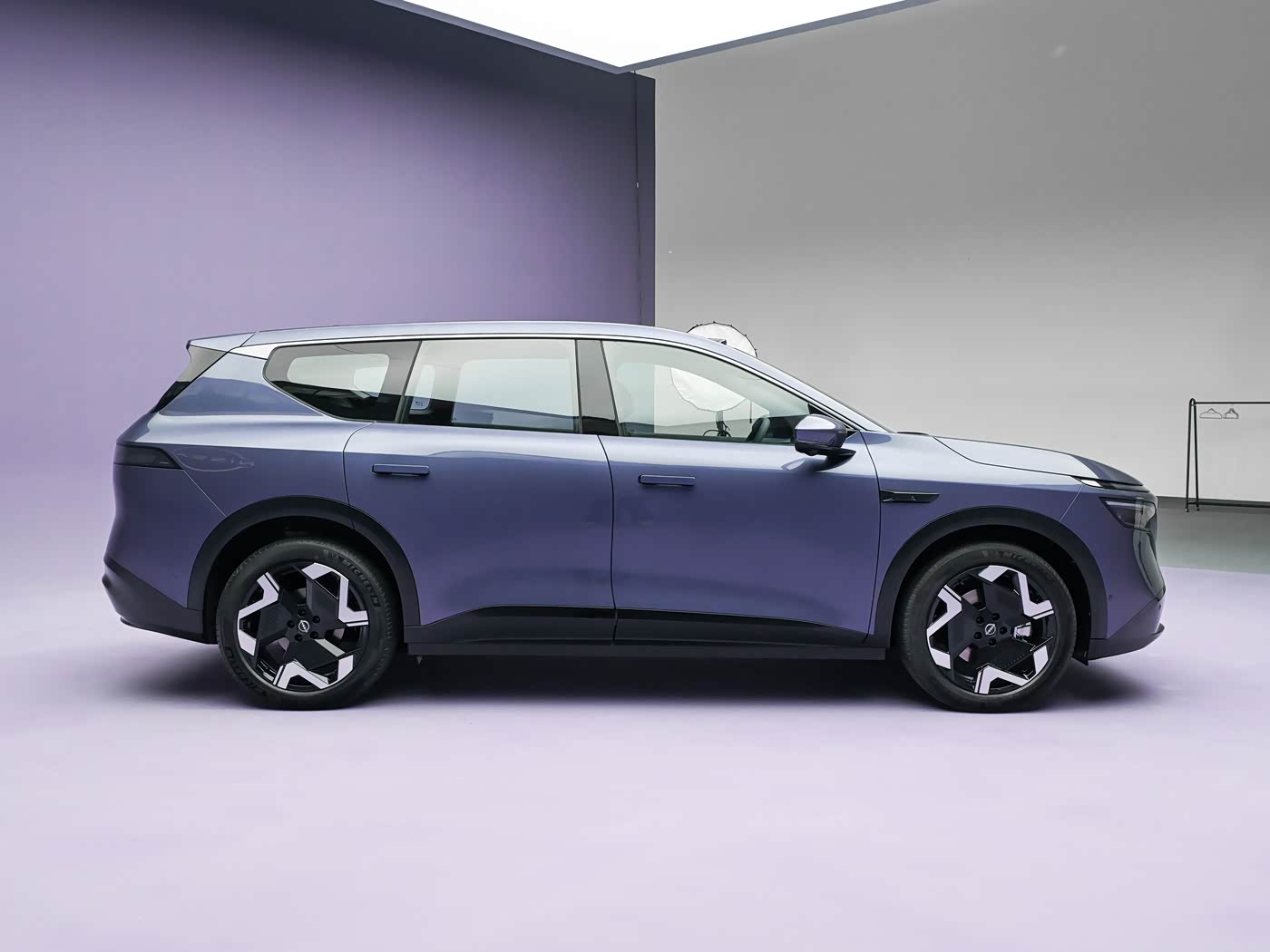
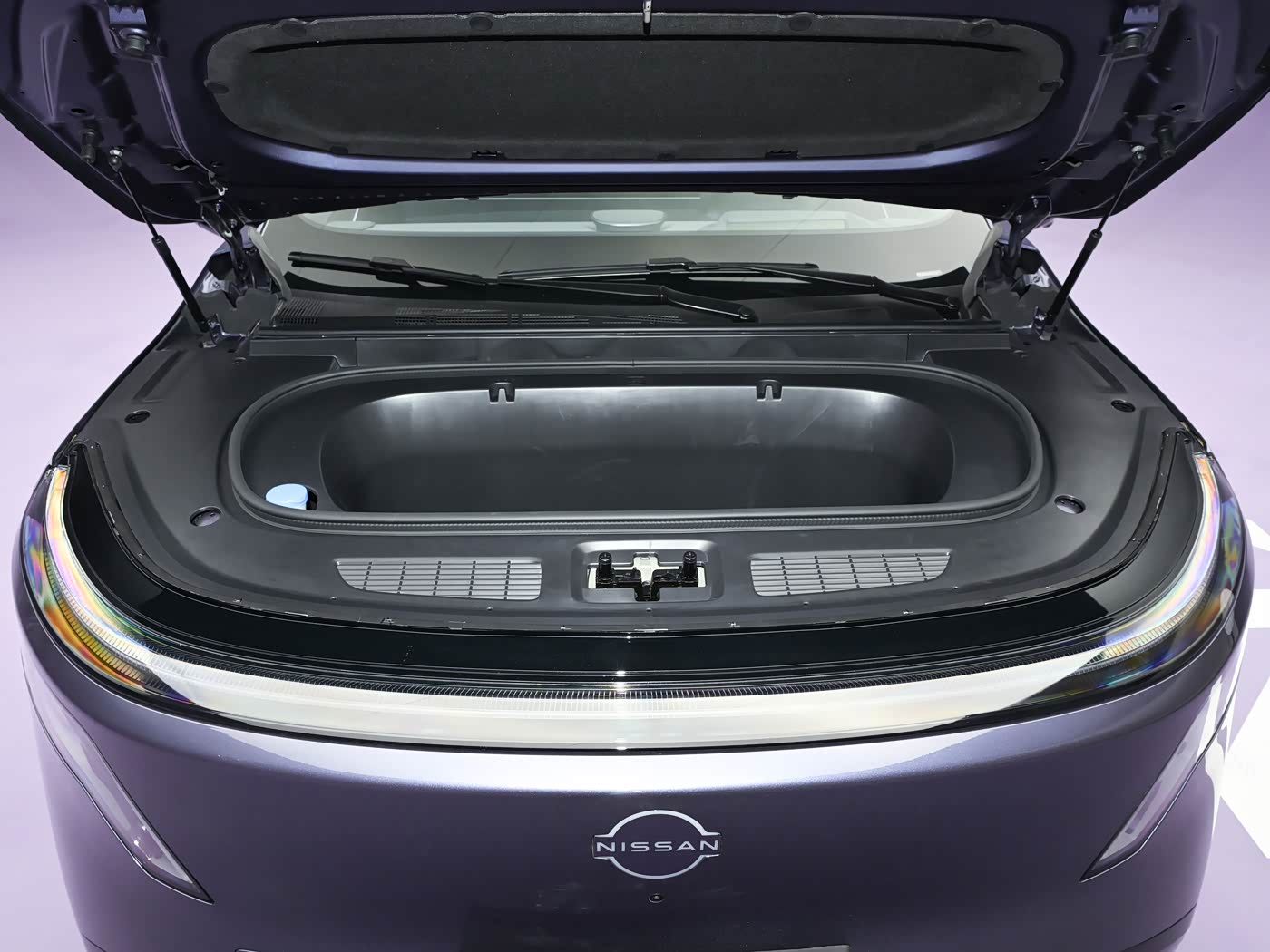
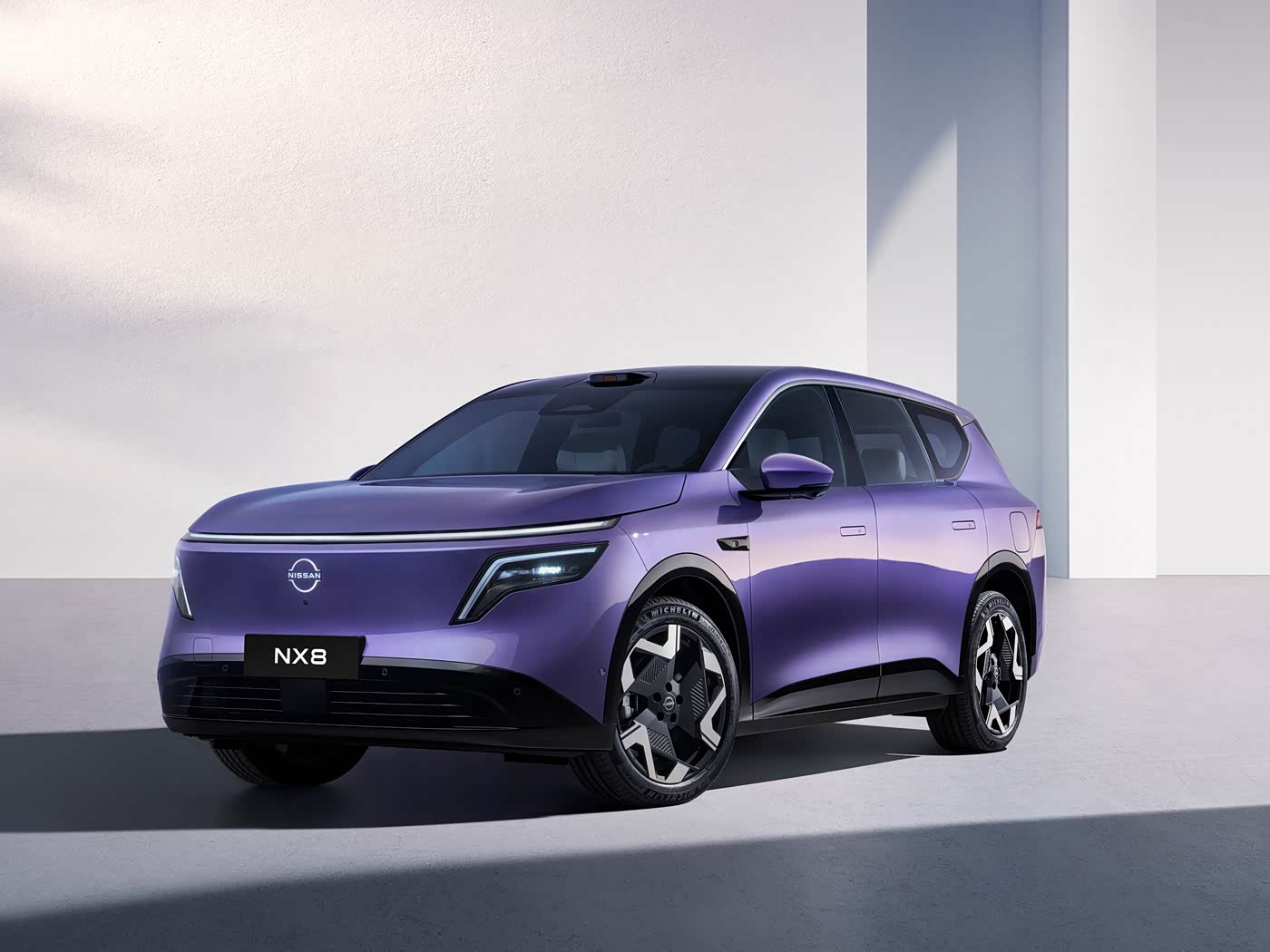
The Nissan NX8 showcases a thoroughly modernized design executed by Nissan’s local Chinese design team, following the NEV N-series philosophy with an evolved V-motion design language. The front fascia features a striking star-ring lighting system composed of 138 LED units spanning 2.4 meters, paired with a closed grille and illuminated brand logo that emphasizes its electric credentials. The rear continues this lighting theme with an impressive quantum light curtain taillight made from 2,064 OLED elements, supporting customizable light signatures for enhanced personalization. Dimensionally, the NX8 measures 4,870mm in length, 1,920mm in width, and 1,680mm in height, with a wheelbase of 2,917mm, providing substantial interior space for a mid-size SUV.
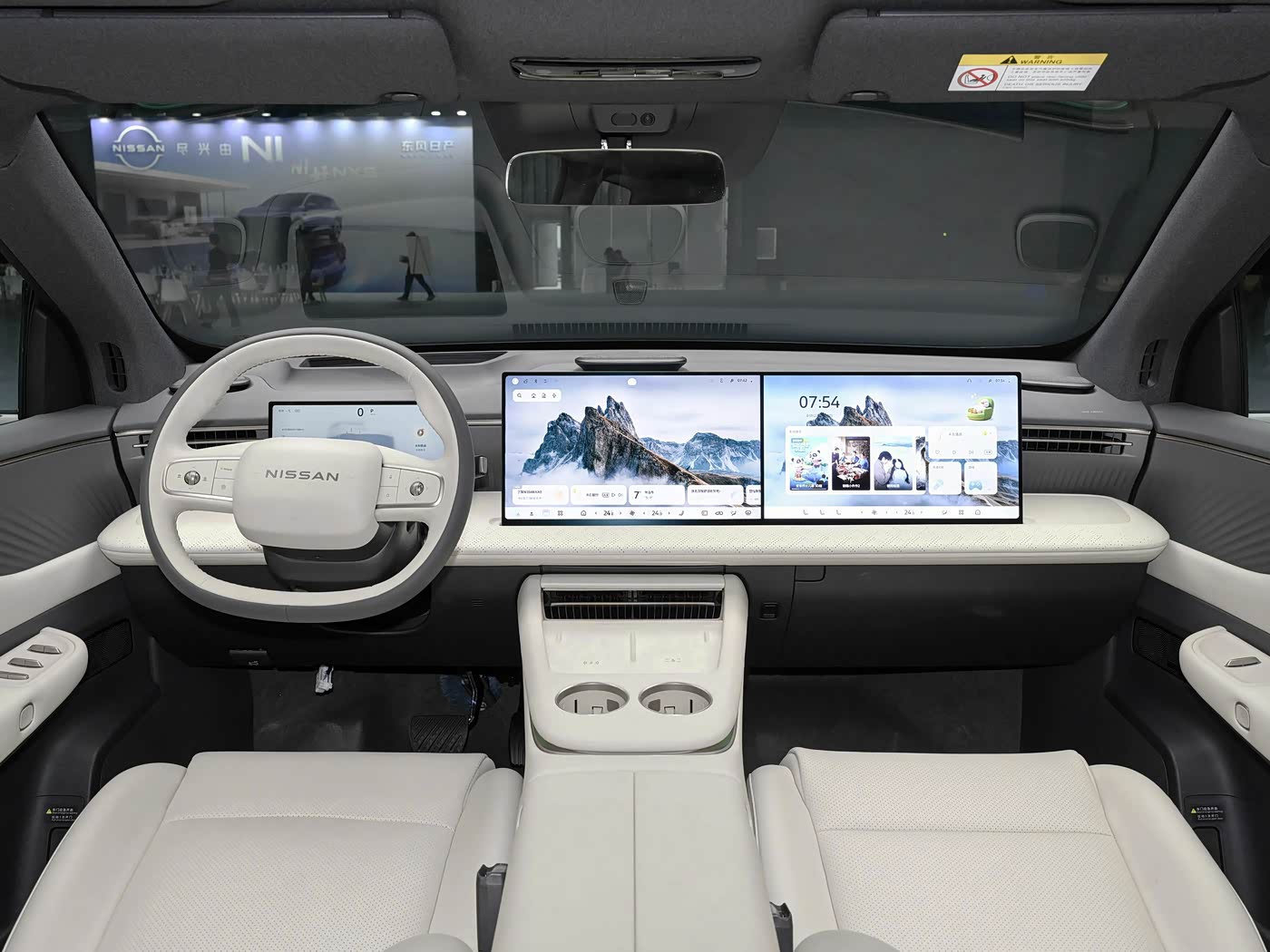
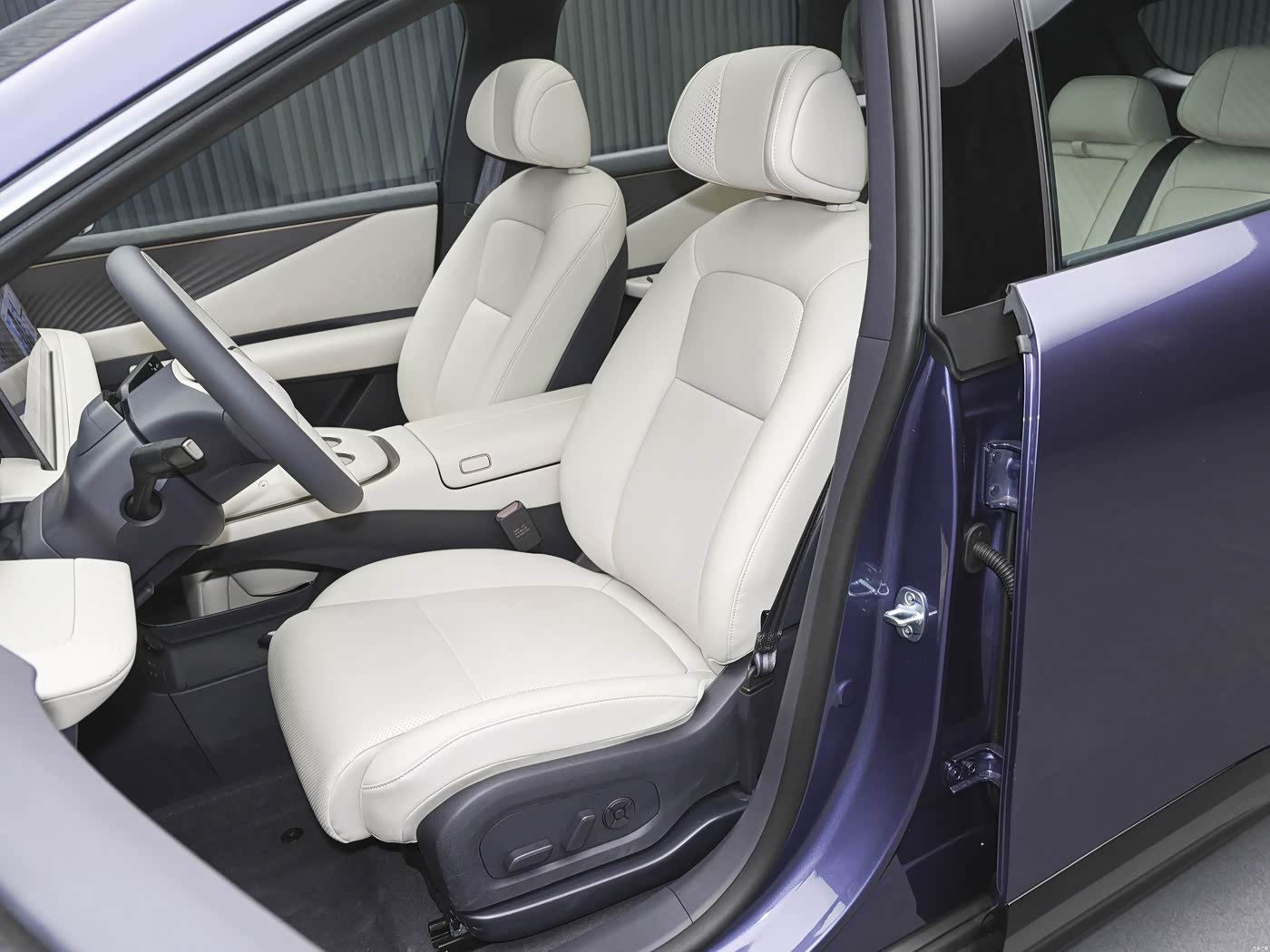
Inside, the NX8 adopts a wraparound cockpit design centered on a dual-spoke multifunctional steering wheel, full LCD instrument cluster, and a triple-screen setup consisting of two large floating touchscreens that create a continuous display. Standard equipment includes wireless phone charging and a head-up display (HUD), while advanced driver assistance features are powered by lidar sensors. The vehicle supports high-speed Navigation on Autopilot (NOA), urban NOA functionality, and full-scenario intelligent parking assistance, positioning it competitively against domestic Chinese brands that have led in autonomous driving capabilities.
Powertrain options cover both ends of the electrification spectrum. The pure electric variant offers two power outputs: 215 kW and 250 kW, paired with either 73 kWh or 81 kWh battery packs from CATL. These configurations deliver CLTC range estimates of 580/565 km and 650/630 km respectively. The extended-range version employs a 1.5-liter turbocharged engine generating 109 kW as a range extender, coupled with a 195 kW drive motor. EREV buyers can choose between 20.3 kWh, 21.1 kWh, or 37.4 kWh battery packs, offering pure electric ranges of 102 km, 185 km, and 310 km under CLTC testing. The groundbreaking 800V architecture with 5C charging capability represents a significant technical achievement, utilizing CATL’s latest lithium iron phosphate cells in a Yundun battery pack that operates across temperatures from -30°C to 60°C.
Market Position & Competition
The Nissan NX8 enters one of the most contested segments in China’s automotive market, directly challenging established players like the Huawei-backed Aito M7, Li Auto L6, and Geely Galaxy E8. In this price-competitive environment, powertrain versatility and interior space serve as critical purchase decision factors. The NX8’s 4,870mm length and 2,917mm wheelbase position it favorably against these rivals, offering competitive passenger and cargo volume. Nissan’s decades of brand equity in China provide a foundation of consumer trust that newer brands must work harder to establish, potentially giving the NX8 an advantage with more conservative buyers hesitant about emerging Chinese marques.
The decision to offer both pure electric and extended-range configurations represents a pragmatic approach to market segmentation. While tier-one Chinese cities with robust charging infrastructure may favor the pure EV version, buyers in tier-two and tier-three cities where charging remains less convenient will likely gravitate toward the EREV models with their gasoline range-extender safety net. This dual-powertrain strategy mirrors successful approaches by Li Auto and others who have captured significant market share by addressing range anxiety without compromising electric driving experiences for daily commutes.
Nissan’s integration of lidar-based advanced driver assistance systems signals recognition that Chinese consumers now expect sophisticated autonomous driving features as standard equipment in this price category. Domestic brands like XPeng and NIO have established high benchmarks for intelligent driving capabilities, forcing international manufacturers to rapidly close the technology gap. The NX8’s comprehensive NOA functionality across highway and urban environments, combined with advanced parking automation, suggests Nissan has invested substantially in localizing these software-dependent features for Chinese road conditions and regulatory requirements.
Should You Buy One?
For consumers considering the Nissan NX8, the decision hinges on several compelling factors. The 800V fast-charging capability represents a genuine technological advantage that will become increasingly valuable as ultra-fast charging infrastructure expands across China. The ability to add significant range in just minutes rather than the 30-45 minutes required by 400V systems fundamentally changes the ownership experience for those who regularly undertake longer journeys. This technical edge, combined with CATL’s proven battery reliability and the thermal management system’s extreme temperature tolerance, addresses two primary concerns that have historically slowed EV adoption.
Brand consideration also plays a significant role in this segment. Nissan’s established service network spans hundreds of Chinese cities, offering peace of mind that newer EV-only brands cannot match with their still-developing infrastructure. However, potential buyers should carefully weigh whether Nissan’s traditional automotive expertise translates effectively into the software-defined vehicle era where over-the-air updates, ecosystem integration, and continuous feature enhancement have become expected capabilities. Those interested in exploring how automotive technology continues evolving and comparing technical specifications across competing models can visit AI Tools & API Access for detailed technical comparisons and market intelligence.
The EREV versions present particularly interesting value propositions for specific buyer profiles. Families requiring a versatile vehicle capable of extended road trips without charging anxiety, yet seeking electric-only operation for daily urban driving, will find the 310 km pure electric range variant especially appealing. At this range threshold, the vehicle can operate as a pure EV for most weekly driving while retaining gasoline range-extender backup for weekend getaways or holiday travel. The pricing strategy, once officially announced in April, will ultimately determine whether the NX8 offers competitive value against the aggressive pricing of domestic competitors who benefit from lower manufacturing costs and government subsidies. Expected pricing for the China market falls within the RMB 250,000-350,000 range (approximately USD 34,500-48,300).
Verdict
The Nissan NX8 represents a critical inflection point for the Japanese automaker’s Chinese operations after consecutive years of declining market share. By granting substantial autonomy to local teams for design, engineering, and market positioning decisions, Nissan has created a product genuinely tailored to Chinese consumer preferences rather than adapting global platforms with minimal localization. The integration of cutting-edge battery technology, comprehensive powertrain options, and competitive intelligent driving features demonstrates that international brands can successfully compete in China’s hyper-competitive EV market when they commit appropriate resources and decision-making authority.
Whether the NX8 succeeds in reversing Nissan’s fortunes depends on execution beyond the product itself-pricing competitiveness, marketing effectiveness, dealer network enthusiasm, and post-purchase customer experience will all influence outcomes. The vehicle’s April launch timing positions it well to capture consideration during the traditional spring buying season, but Nissan must avoid the pricing missteps that have undermined other international brands entering China’s EV segment. If positioned competitively within the anticipated range, the NX8 could genuinely disrupt the current market hierarchy
Compare Recommended Products
| Product | Best For | Fitment | MOQ | Use Case | Action |
|---|
Looking for EV accessories for your market?
Tell us your target market, vehicle model and quantity. We will match suitable products from China.