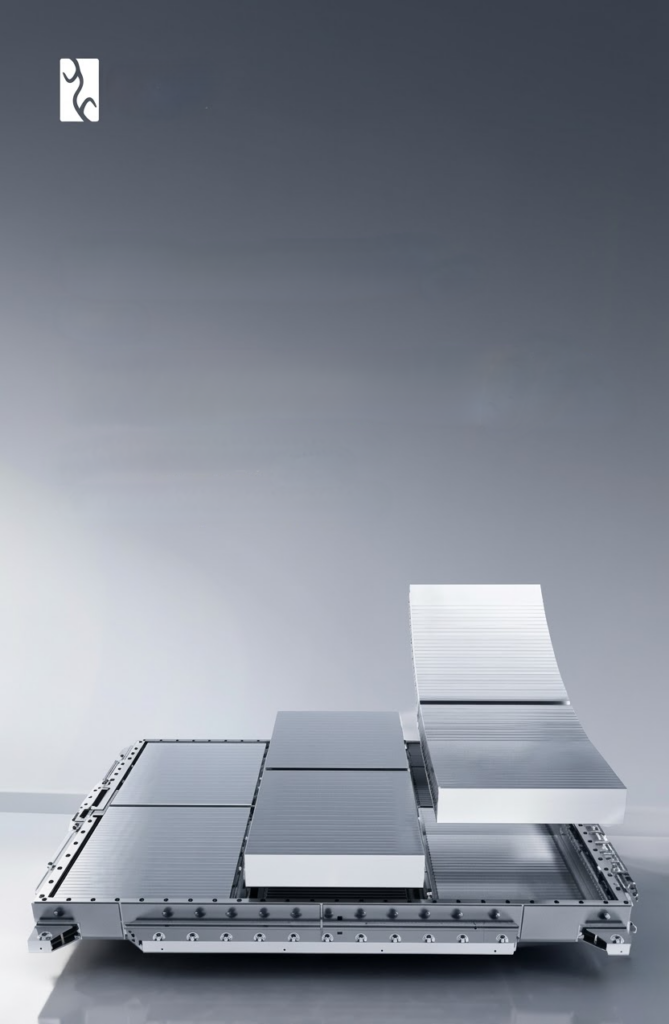
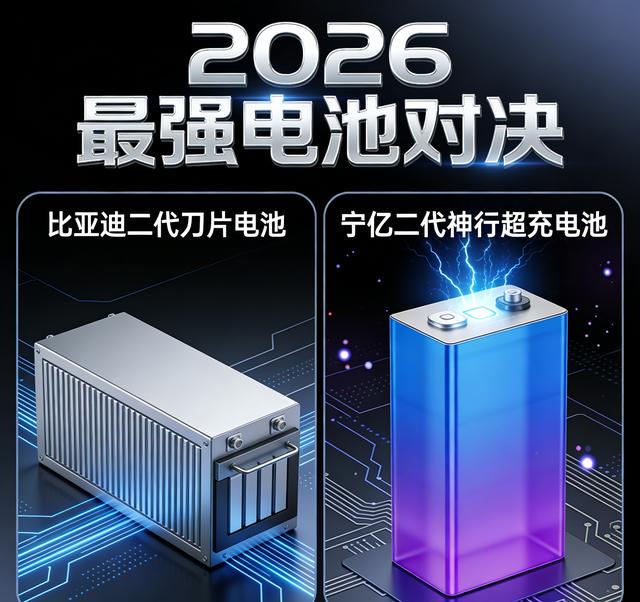
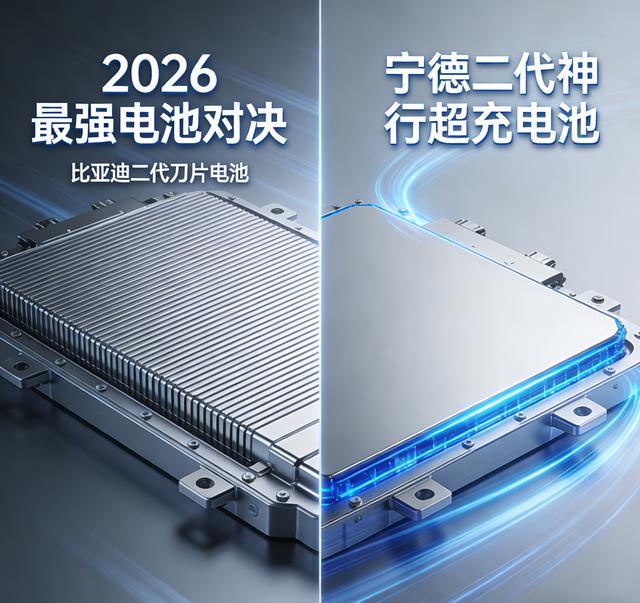
China’s power battery industry has reached a critical inflection point in 2026, as two technological titans release their most advanced lithium iron phosphate (LFP) solutions to date. BYD’s second-generation Blade battery and CATL’s second-generation Shenxing Super Fast Charging battery have both completed mass production calibration, representing the pinnacle of domestic battery engineering. These upgraded systems compete across critical dimensions including energy density, fast-charging efficiency, low-temperature performance, safety protocols, and lifespan metrics.
Both technologies build upon the inherent advantages of LFP chemistry-superior thermal stability, lower material costs, and extended cycle life-while addressing traditional weaknesses like limited energy density and cold-weather performance degradation. The competition between these two systems reflects broader strategic divergences in Chinese battery development: BYD’s vertically integrated approach emphasizing structural innovation versus CATL’s platform-agnostic strategy optimizing for universal compatibility. For those tracking the latest developments in electric vehicle technology, visit AI Tools & API Access for the latest EV insights and technical analysis.
Key Features & Specs
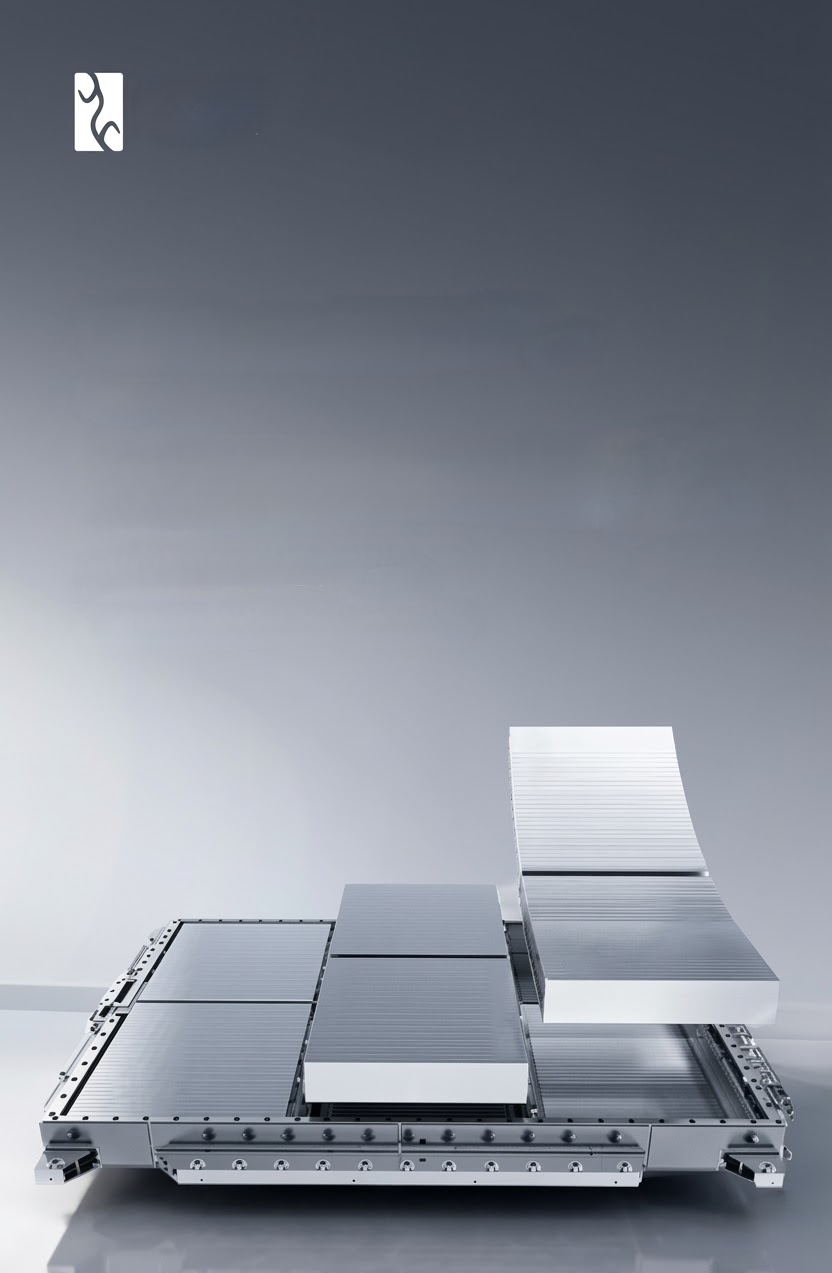
BYD’s second-generation Blade battery continues the company’s dual-track approach combining structural innovation with advanced materials. The system employs a lithium manganese iron phosphate (LMFP) composite cathode paired with silicon-carbon anodes, elevating the voltage platform from the original 3.2V to 3.8V. The CTB 2.0 (Cell-to-Body) integration architecture and shortened blade cell design reduce internal resistance by approximately 50% while achieving 76% volumetric utilization efficiency. System-level energy density ranges from 190-210Wh/kg-a 35-50% improvement over the first generation-approaching mid-nickel ternary lithium performance levels while retaining the characteristic safety profile where cells pass nail penetration tests without ignition or thermal runaway.
Fast-charging capabilities reach 8-10C rates with BYD’s megawatt charging system 2.0, delivering peak power output of 1,500kW. Under optimal conditions, five minutes of charging provides 400-500km of range, with 10-80% charging completed in approximately 12 minutes when paired with 1000V high-voltage platforms. Low-temperature performance shows capacity retention exceeding 85% at -20°C and maintaining over 80% at -30°C, limiting winter range degradation to within 15% through optimized electrolyte formulations and comprehensive thermal management. Cycle life exceeds 3,000 complete charge-discharge cycles, translating to 15+ years of use at 200 annual charging sessions, while maintaining BYD’s structural safety advantages through ultra-thin current collectors that minimize thermal runaway risks.
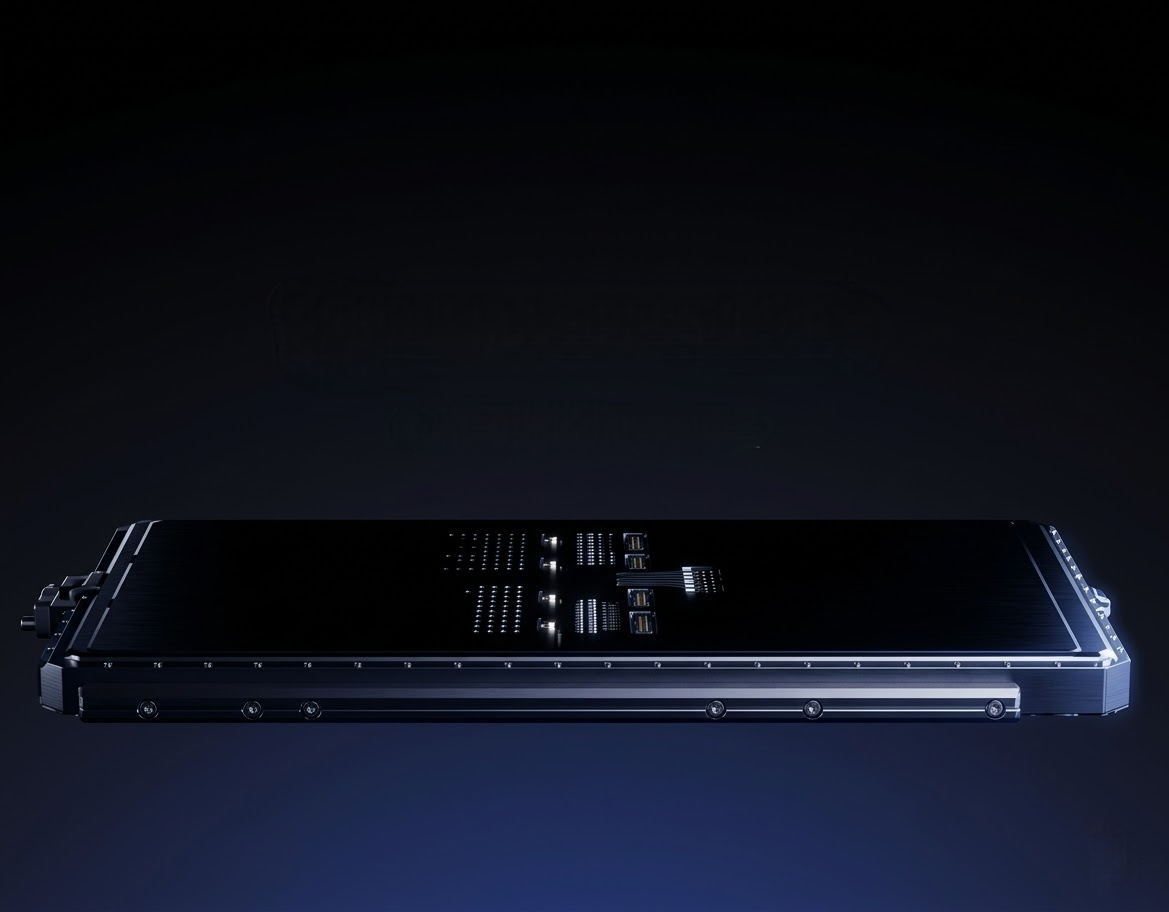
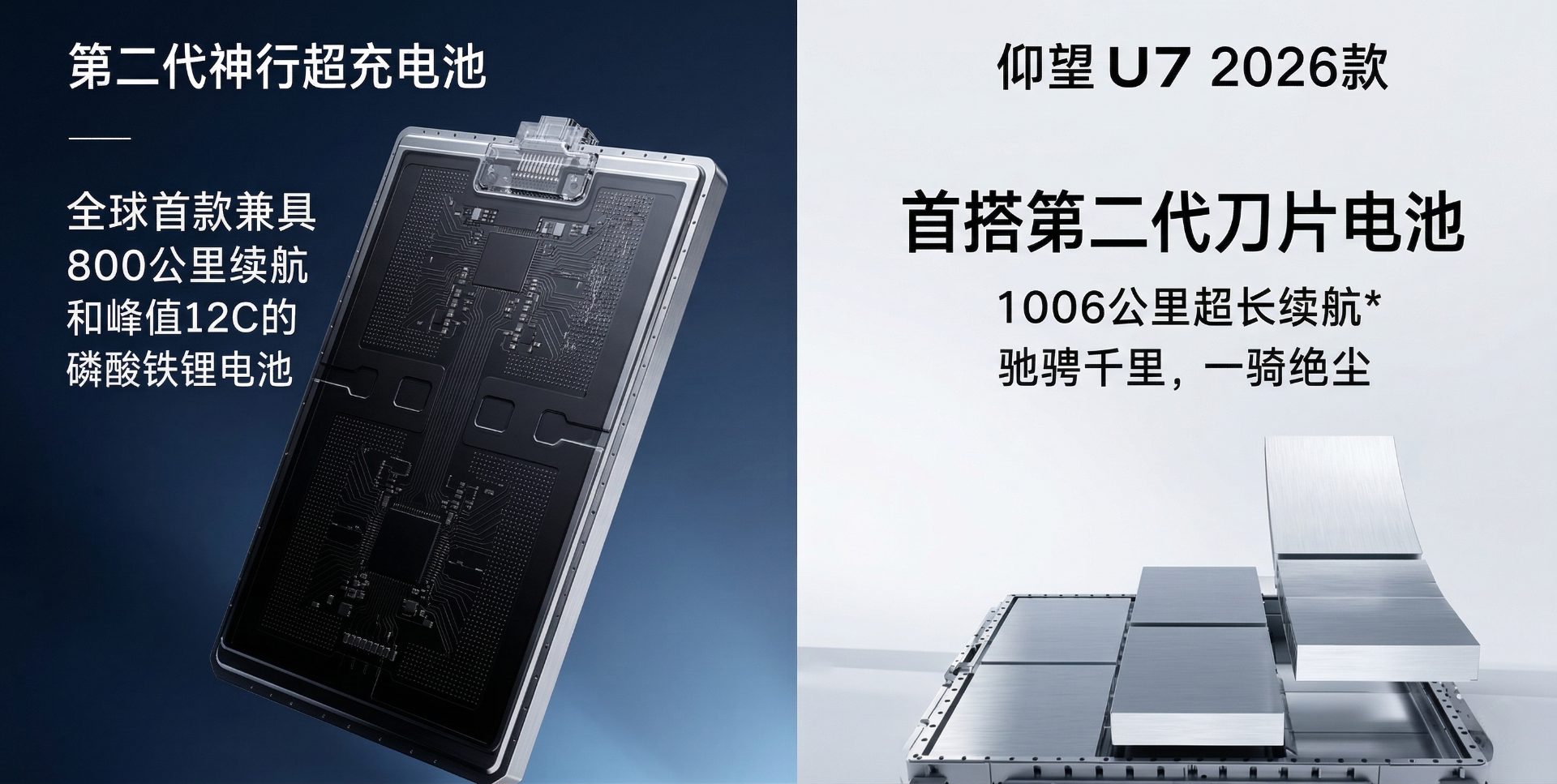
CATL’s second-generation Shenxing battery leverages the company’s CTP 4.0 (Cell-to-Pack) high-efficiency assembly architecture, achieving 205Wh/kg system energy density with exceptional manufacturing consistency. The technology focuses on ultra-fast charging and low-temperature adaptation through high-conductivity electrolytes, nanoscale ion channels, and full-chain thermal management systems. This is the industry’s first mass-production LFP battery achieving 12C charging rates, with peak power reaching 1,300kW. Five minutes of charging delivers approximately 520km of range at a rate of 2.5km per second or 75km in 30 seconds. Crucially, the system maintains charging efficiency in cold conditions: at -10°C, performance remains uncompromised, while -20°C operation allows 5-80% charging in just 15 minutes. Even in depleted states, the battery outputs 830kW power, addressing the industry’s persistent challenge of winter charging degradation. Like its BYD counterpart, cycle life exceeds 3,000 cycles with less than 20% capacity degradation over 10 years, while the NP 3.0 flame-retardant system and optimized cell spacing provide robust thermal isolation and pass thermal propagation validation tests.
Market Position & Competition
The simultaneous arrival of these second-generation systems in 2026 marks China’s transition into a high-performance LFP-dominated era for power batteries. Both technologies deliver energy density approaching ternary lithium levels at significantly lower costs and superior safety profiles, enabling long-range vehicles to reach price points accessible to mainstream consumers. Thousand-kilometer range capability combined with rapid charging eliminates traditional EV anxieties around range and refueling time. Enhanced low-temperature performance and extended cycle life break down geographical and usage-scenario barriers, making EVs genuinely practical for northern China’s harsh winters and high-frequency commercial applications.
The technical divergence between these systems reflects distinct strategic philosophies. BYD’s Blade battery optimization centers on vehicle-level integration-the short-blade cell architecture reduces internal resistance while CTB 2.0 enhances chassis rigidity and spatial efficiency. The LMFP chemistry preserves iron-based safety and cost advantages while elevating voltage and energy storage capacity, creating synergies ideal for vertically integrated manufacturers controlling both battery and vehicle design. BYD’s approach targets consumers prioritizing maximum range and comprehensive safety in purpose-designed platforms.
CATL’s Shenxing battery emphasizes full-spectrum charging system optimization and cross-platform compatibility. The CTP 4.0 architecture streamlines assembly processes, improving spatial utilization and manufacturing efficiency while the 12C charging capability and cold-weather performance address diverse climatic conditions across China’s vast geography. Backward compatibility with existing charging infrastructure reduces rollout costs, making the technology attractive for third-party automakers requiring standardized, scalable solutions. This positions Shenxing for broader market penetration across multiple brands and vehicle segments where universal adaptability outweighs bespoke integration benefits.
Should You Buy One?
For consumers evaluating vehicles equipped with these technologies, the decision hinges on usage patterns and priorities rather than absolute technical superiority. BYD’s second-generation Blade excels in maximum range scenarios-flagship models carrying 120+kWh packs achieve verified 1000km+ CLTC range, genuinely enabling cross-provincial travel without charging anxiety. Mid-size family vehicles deliver stable 600-700km range, while even compact urban models achieve 305km. The structural safety integration and thermal stability make Blade-equipped vehicles particularly appealing for safety-conscious buyers and those requiring reliable performance across the battery’s 15-year-plus lifespan. Vehicles incorporating this technology typically sit in the mid-to-premium segments, with pricing reflecting the advanced integration engineering.
CATL’s Shenxing battery targets users prioritizing charging convenience and operational consistency. The 12C charging capability translates to real-world refueling experiences approaching gasoline vehicles-enough range added during a coffee break or brief rest stop for continued long-distance travel. The maintained cold-weather charging efficiency addresses northern users’ primary pain point, where traditional EVs suffer dramatic performance drops in winter. Most Shenxing-equipped vehicles deliver consistent 800km-class CLTC range across multiple platforms and price points, with the technology’s manufacturing scalability enabling competitive pricing. For detailed comparisons of vehicles featuring these battery systems, visit AI Tools & API Access for comprehensive technical specifications and real-world performance data.
The investment calculus also considers infrastructure compatibility. BYD’s ecosystem includes proprietary megawatt charging stations optimized for Blade batteries, delivering maximum performance but requiring access to brand-specific networks. CATL’s design philosophy emphasizes broader charging network compatibility, ensuring Shenxing-equipped vehicles achieve strong performance at third-party charging stations nationwide. For buyers planning extensive intercity travel, verifying charging infrastructure along typical routes becomes crucial-vehicles with either technology benefit most when paired with compatible high-power charging networks.
Verdict
Neither battery represents an absolute victor in this technological showdown-instead, each exemplifies optimized solutions for distinct user requirements and manufacturing philosophies. BYD’s second-generation Blade battery delivers maximum range capability, structural safety integration, and holistic vehicle-battery optimization, making it ideal for consumers prioritizing absolute endurance and comprehensive safety in purpose-designed platforms. CATL’s second-generation Shenxing battery excels in charging speed consistency, cold-weather reliability, and cross-platform adaptability, serving users valuing rapid refueling and multi-scenario versatility.
Both systems have achieved the critical threshold where LFP chemistry no longer represents a
Compare Recommended Products
| Product | Best For | Fitment | MOQ | Use Case | Action |
|---|
Looking for EV accessories for your market?
Tell us your target market, vehicle model and quantity. We will match suitable products from China.