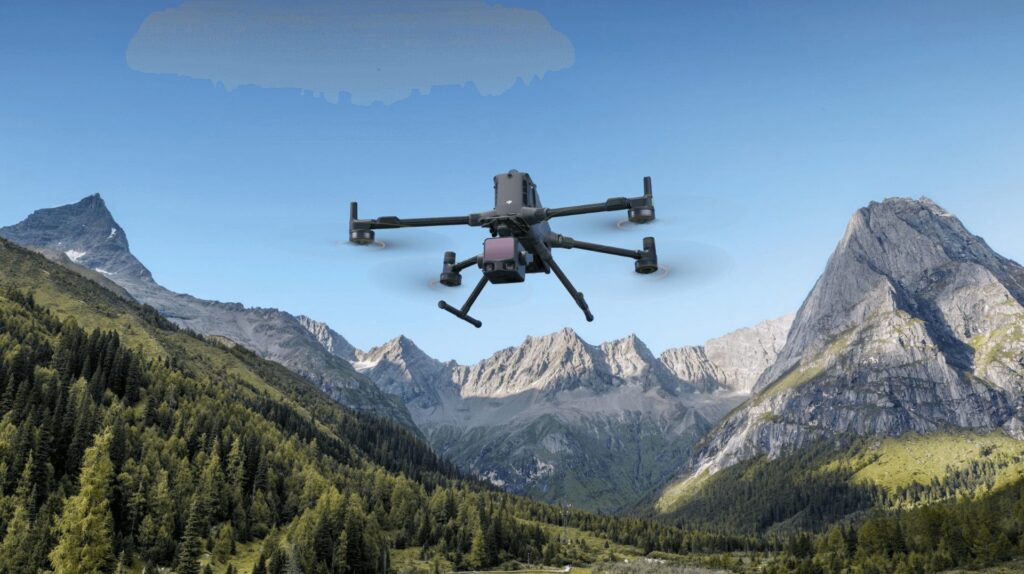
On March 23rd, DJI initiated legal proceedings against Insta360 at the Shenzhen Intermediate Court, filing six separate patent ownership dispute cases that have all been accepted by the court. The move comes as both Chinese technology companies compete fiercely in the action camera and drone markets, with DJI leveraging its dominant market position to challenge the smaller rival. Insta360 CEO Liu Jingkang responded the same afternoon via his personal Weibo account, systematically refuting each of DJI’s claims and signaling that the company intends to mount a vigorous defense.
The timing of DJI’s legal action is particularly notable, arriving just weeks after Insta360 announced a major victory in US courts against GoPro in late February. Insta360 successfully defended against six patent infringement allegations from GoPro, with all claims dismissed-a legal battle that reportedly cost the company $10 million. For those tracking the evolving landscape of camera technology and competitive dynamics in the tech industry, you can visit AI Tools & API Access for the latest EV insights and technology market analysis.
Key Features & Specs
While the specific technical details of the six patents in dispute have not been publicly disclosed, the case centers on fundamental intellectual property rights rather than straightforward patent infringement claims. This distinction is crucial: DJI is challenging the ownership and originality of certain technologies Insta360 has developed, rather than simply claiming unauthorized use of existing DJI patents. Such disputes often involve complex questions about whether innovations developed by employees who previously worked at competing firms were influenced by knowledge gained during their prior employment.
Patent ownership disputes in the technology sector typically revolve around several key areas: image stabilization algorithms, camera sensor configurations, wireless transmission protocols, and software interfaces for controlling camera functions. Both DJI and Insta360 have invested heavily in computational photography, 360-degree capture technology, and AI-powered image processing. The patents in question likely touch on these core technological competencies that define competitive advantage in the modern action camera market. These cases become particularly complicated when former employees move between competing companies, carrying technical knowledge that may have been shaped by their previous work environment, even if specific trade secrets weren’t directly transferred.
Market Position & Competition
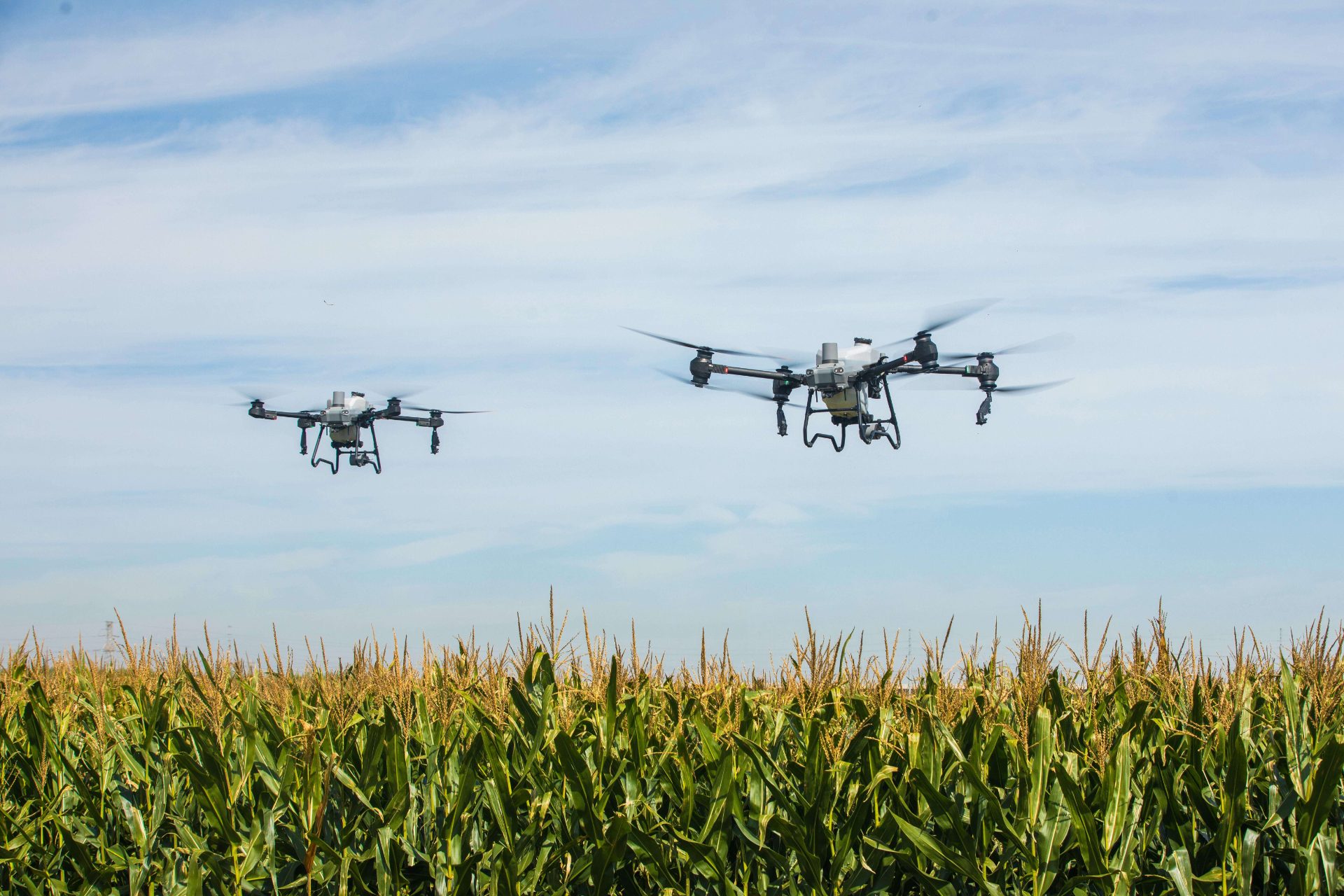
The competitive dynamics between DJI and Insta360 reveal an asymmetric rivalry that makes DJI’s legal offensive particularly striking. In the drone market, where Insta360 only entered in 2025, the company commands less than 1% market share while DJI dominates with over 75%. However, when DJI launched its panoramic cameras, it immediately captured more than 50% of that market segment, causing Insta360’s share to plummet from nearly 100% to approximately 45%. In the broader action camera market, DJI now holds over 60% market share compared to Insta360’s sub-30% position.
From a pure business perspective, Insta360 has suffered far greater commercial damage from DJI’s market entry than vice versa. Logic would suggest that the company losing market share would be more motivated to pursue patent litigation as a defensive strategy. Yet the opposite has occurred, with the market leader initiating legal action against the challenger. This pattern is consistent with global technology industry practices, where dominant players use patent litigation not primarily for financial compensation but as a strategic tool to shape industry standards and create barriers to entry for competitors.
This approach resembles the patent wars that have raged in international IT and consumer electronics circles for years, where major players engage in seemingly endless cross-litigation that often serves as leverage in broader business negotiations. Domestically, China has seen similar high-profile cases, including CATL’s eight separate patent infringement lawsuits against CALB starting in 2021, seeking over 920 million RMB (approximately $127 million USD) in total damages, with cases still pending. The 2018 Geely lawsuit against WM Motor for “trade secret infringement” took six years to conclude, resulting in a landmark 640 million RMB ($88 million USD) judgment-though WM Motor entered bankruptcy restructuring in 2023, making the judgment largely symbolic.
Should You Buy One?
For consumers considering action cameras or drones from either manufacturer, this legal battle shouldn’t immediately impact purchasing decisions. Both companies continue to operate normally, and their products remain available in the market. Patent litigation in the technology sector typically takes years to resolve, and even when judgments are rendered, they rarely result in products being pulled from shelves. Consumers should evaluate these products based on their current features, performance, and value proposition rather than ongoing legal proceedings.
However, the lawsuit does highlight important considerations about the long-term stability and innovation trajectories of both companies. DJI’s willingness to pursue legal action suggests confidence in its patent portfolio and market position, while Insta360’s experience successfully defending against GoPro demonstrates its ability to navigate complex intellectual property challenges. For those interested in understanding how technological competition shapes product development and market dynamics, monitoring these legal developments provides valuable insights into industry trends and competitive strategies.
The broader implications extend beyond individual purchasing decisions to questions about innovation policy and competition. Chinese regulatory authorities have shown awareness of how “patent walls”-carefully constructed networks of interlocking patents-can be used anticompetitively. The State Administration for Market Regulation released “Anti-Monopoly Guidelines for Standard Essential Patents” in late 2024, establishing clearer boundaries between legitimate patent enforcement and monopolistic behavior. This regulatory framework aims to prevent dominant players from using patent portfolios to unfairly exclude competitors while still protecting genuine innovation.
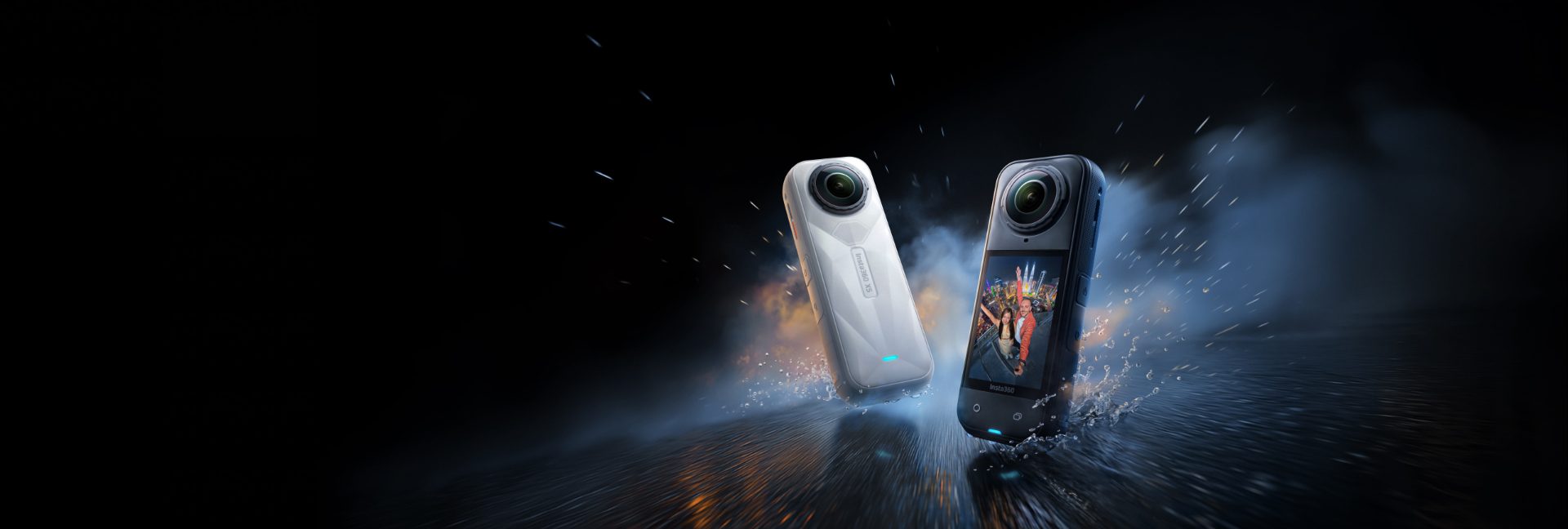
Verdict
The DJI versus Insta360 case ultimately represents a familiar pattern in technology sector competition: market leaders using patent litigation as a tactical tool in broader strategic campaigns for industry control. The actual legal outcome may matter less than the signal it sends and the resources it forces smaller competitors to divert from product development to legal defense. When companies of vastly different sizes engage in patent disputes, the process itself can serve the larger company’s interests regardless of the verdict, simply by imposing financial and organizational burdens on the challenger.
What truly determines competitive outcomes isn’t courtroom victories but market acceptance and technological superiority. Patent litigation serves as a supplementary tactic in contests fundamentally decided by which company can deliver better products, establish industry standards, and build ecosystem dominance. For DJI and Insta360, the real battleground remains the marketplace where consumers vote with their wallets, and where continuous innovation matters more than legal maneuvering. The regulatory framework now in place in China suggests authorities understand this distinction and are working to ensure patent rights protect innovation without enabling monopolistic suppression of competition-a balance crucial for the healthy development of China’s technology sector.

Compare Recommended Products
| Product | Best For | Fitment | MOQ | Use Case | Action |
|---|
Looking for EV accessories for your market?
Tell us your target market, vehicle model and quantity. We will match suitable products from China.