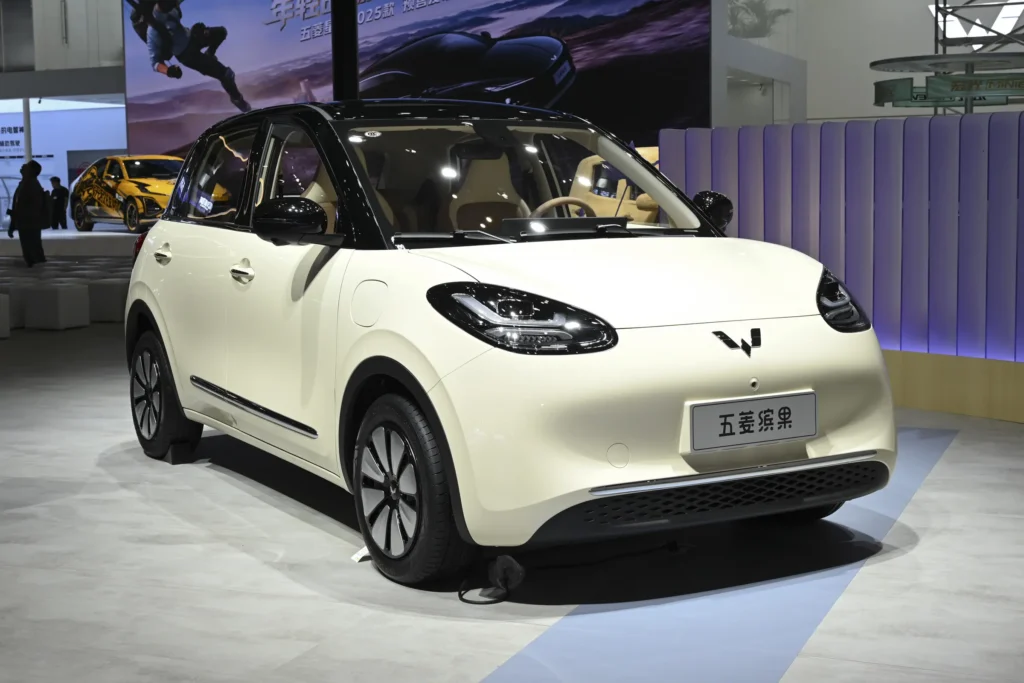
Chinese automotive manufacturer Wuling has officially released images of its latest compact electric vehicle, the Binguo Pro, which the company describes as the next-generation model in its popular Binguo lineup. Released on March 26, this new variant strategically fills the gap between the existing Binguo and the larger Binguo S models, offering consumers a practical five-door, five-seat configuration that addresses the growing demand for compact yet spacious urban electric vehicles.
The Binguo Pro represents Wuling’s continued commitment to affordable electric mobility, building upon the success of its predecessor while introducing meaningful upgrades in size, practicality, and design refinement. The vehicle maintains the brand’s signature approachable aesthetic while incorporating functional improvements that enhance daily usability. For those tracking developments in the rapidly evolving Chinese EV market and seeking comprehensive analysis of emerging electric vehicle technologies, visit AI Tools & API Access for the latest EV insights and industry trends shaping the future of automotive electrification.
Key Features & Specs
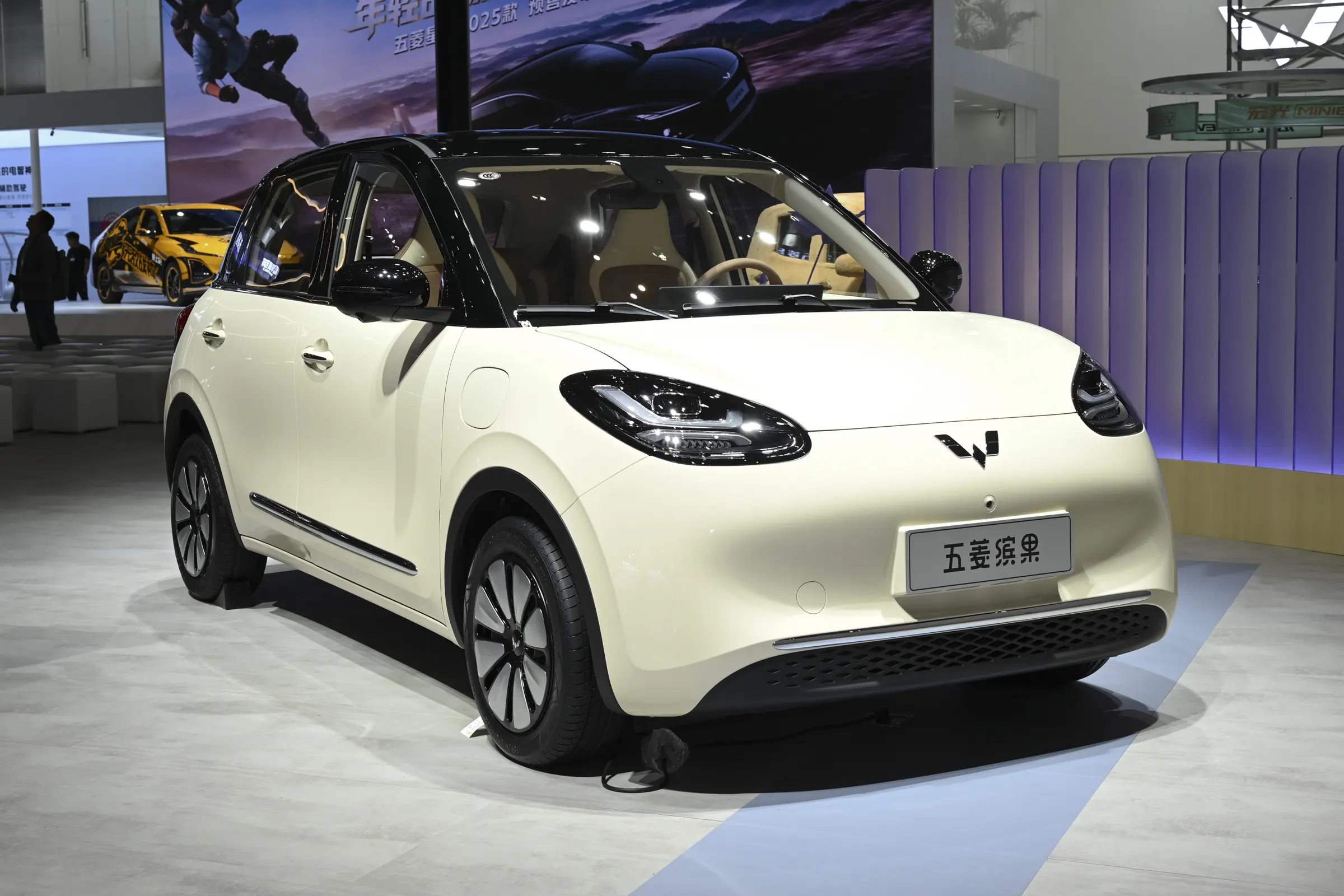
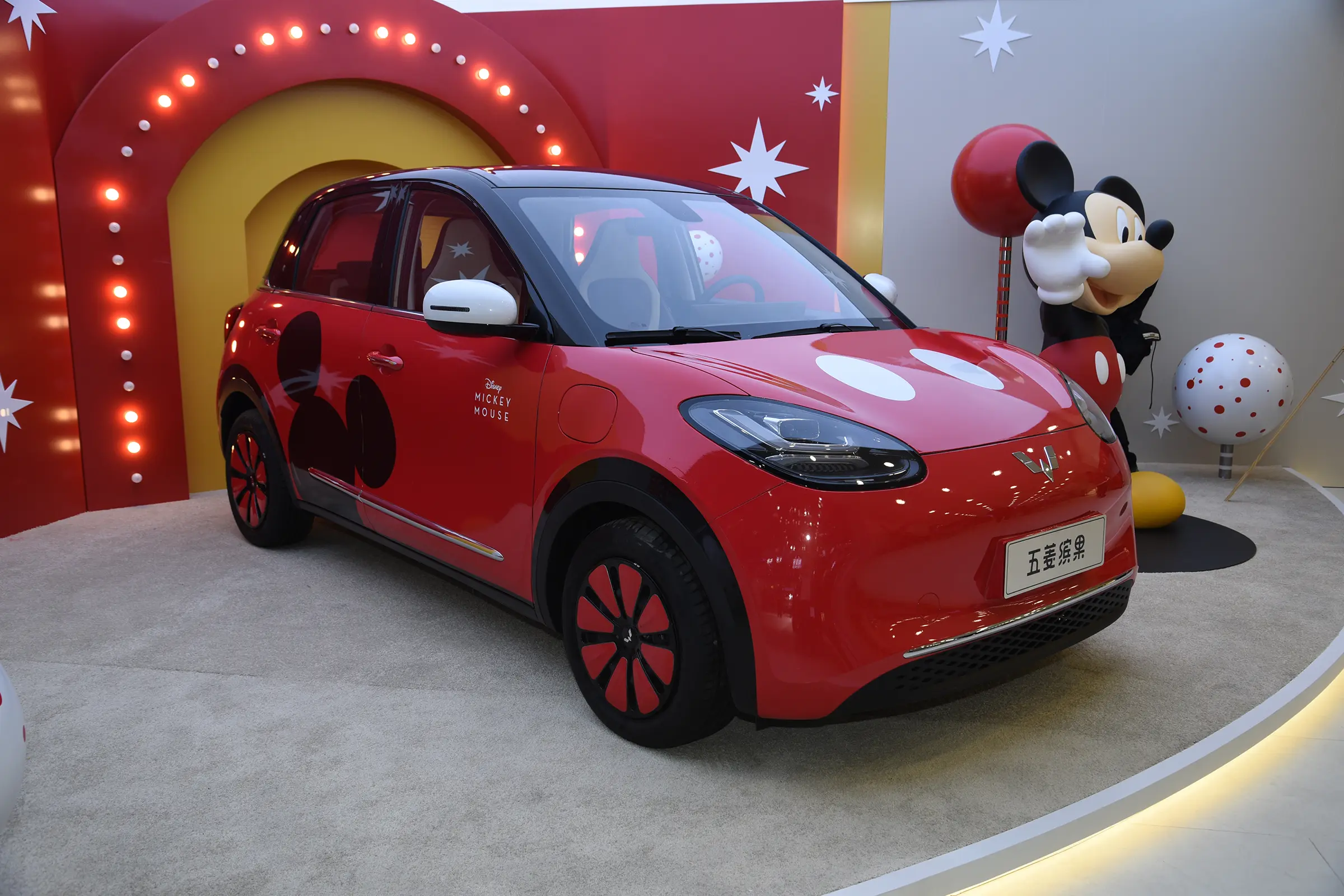
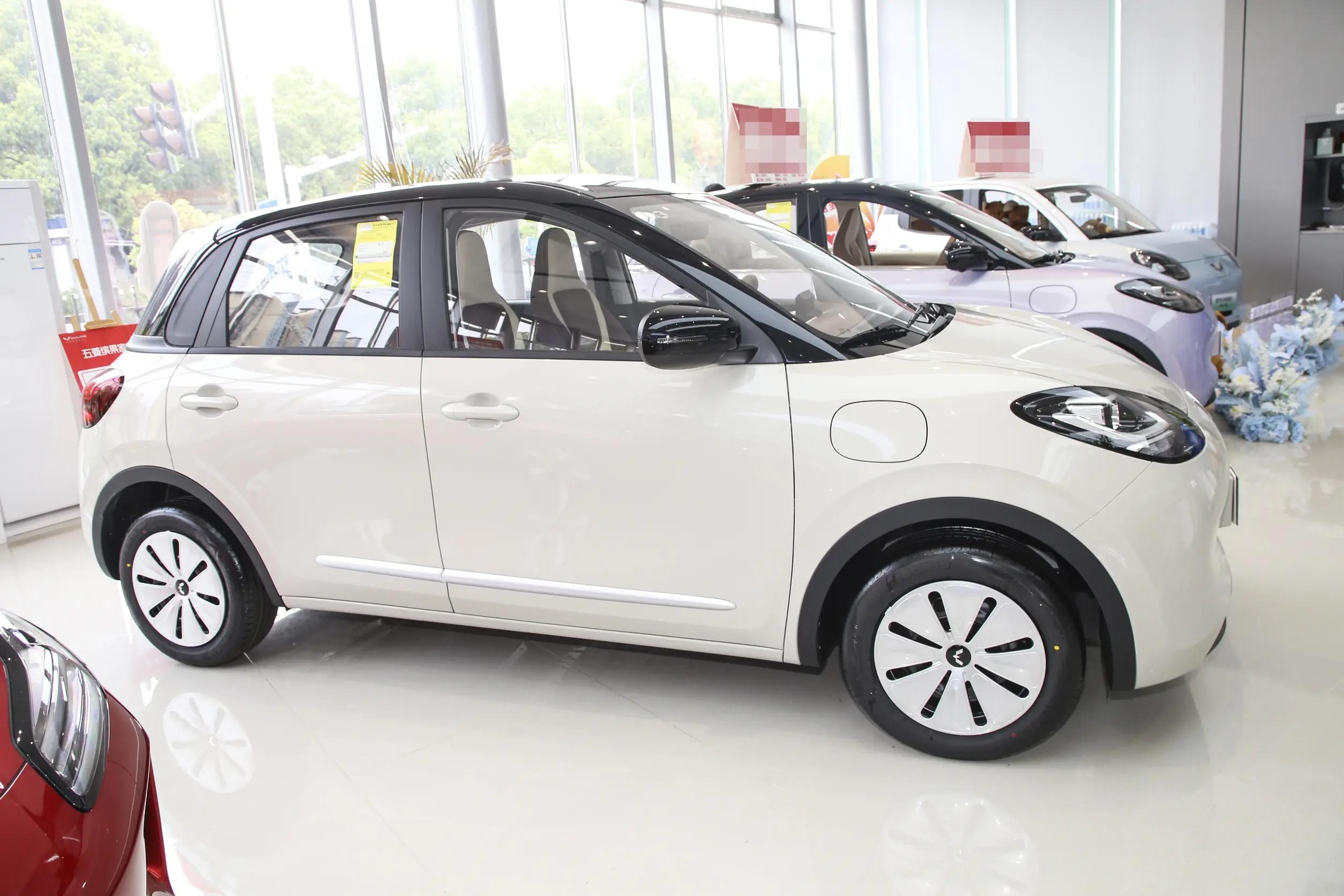
The Binguo Pro continues Wuling’s design philosophy of creating friendly, approachable vehicles with rounded, cute styling that appeals to urban buyers. The front fascia features circular headlamp designs that give the vehicle an endearing character, while the overall shape maintains aerodynamic efficiency crucial for maximizing electric range. The official release showcases four exterior color options: light beige, pale pink, silver, and emerald green, providing buyers with choices that range from subtle to vibrant, catering to diverse aesthetic preferences in the compact EV segment.
Dimensionally, the Binguo Pro measures 4,050mm in length, 1,758mm in width, and 1,580mm in height, with a wheelbase of 2,560mm. These measurements position it squarely between its siblings in the Binguo family, offering notably more interior volume than the base model while remaining more compact and maneuverable than the Binguo S. The side profile features 16-inch petal-design alloy wheels that complement the vehicle’s proportions without overwhelming its compact footprint, alongside semi-concealed door handles that contribute to both aerodynamic efficiency and modern styling. The rear design mirrors the front with rounded light clusters, creating visual cohesion across the entire vehicle.
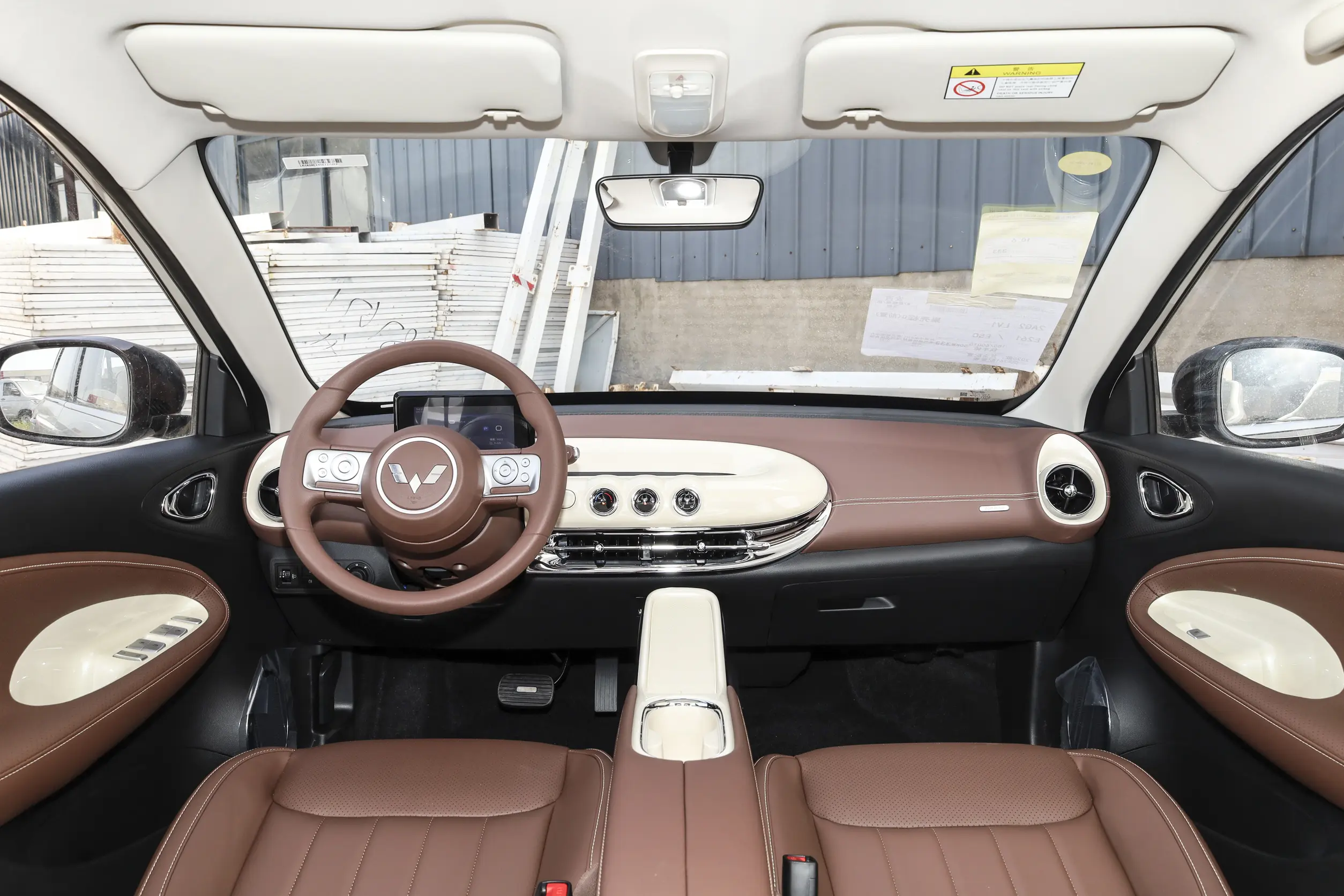
Powertrain specifications reveal a pure electric drivetrain featuring a motor with maximum output of 65kW (approximately 87 horsepower), paired with a lithium iron phosphate (LFP) battery pack. While specific battery capacity and range figures weren’t disclosed in the initial release, the LFP chemistry suggests Wuling’s focus on cost-effectiveness, longevity, and safety-characteristics that have made these battery types increasingly popular in the Chinese market. The customization options are extensive, including choices for front cameras, front radar, rear gate opening indicators, rear radar, various wheel designs, two roof options (black or body-colored with black accents), and three exterior mirror configurations (black with camera, black without camera, or body-colored with black accents and camera).
Market Position & Competition
The Binguo Pro enters an increasingly competitive segment of the Chinese automotive market where compact electric vehicles are experiencing explosive growth. This category has become a battleground for established manufacturers and emerging EV brands alike, all seeking to capture budget-conscious urban consumers who prioritize practicality, low operating costs, and ease of parking in congested city environments. Wuling’s pricing strategy hasn’t been announced yet, but based on the standard Binguo’s positioning, expect the Pro variant to remain competitively priced, likely ranging between 80,000-100,000 RMB (approximately $11,000-$13,800 USD) for base configurations.
Direct competitors include vehicles like the BYD Seagull, Chery QQ Ice Cream, Changan Lumin, and offerings from fellow SAIC-GM-Wuling joint venture brands. What distinguishes the Binguo Pro from many competitors is its true five-door, five-seat configuration-many rivals in this price range compromise on seating capacity or door count to minimize costs and dimensions. The additional doors significantly enhance practicality for families or ride-sharing applications, while the extended wheelbase compared to the base Binguo should translate to noticeably improved rear passenger legroom and cargo capacity.
Wuling’s established reputation for delivering exceptional value has been a significant competitive advantage. The brand’s previous success with the Hongguang MINI EV, which became China’s best-selling EV for multiple years despite its basic specifications, demonstrates that Chinese consumers respond enthusiastically to practical, affordable electric transportation. The Binguo Pro builds on this foundation while addressing criticism about the extreme minimalism of earlier models, offering more space, features, and refinement without abandoning the core value proposition.
Should You Buy One?
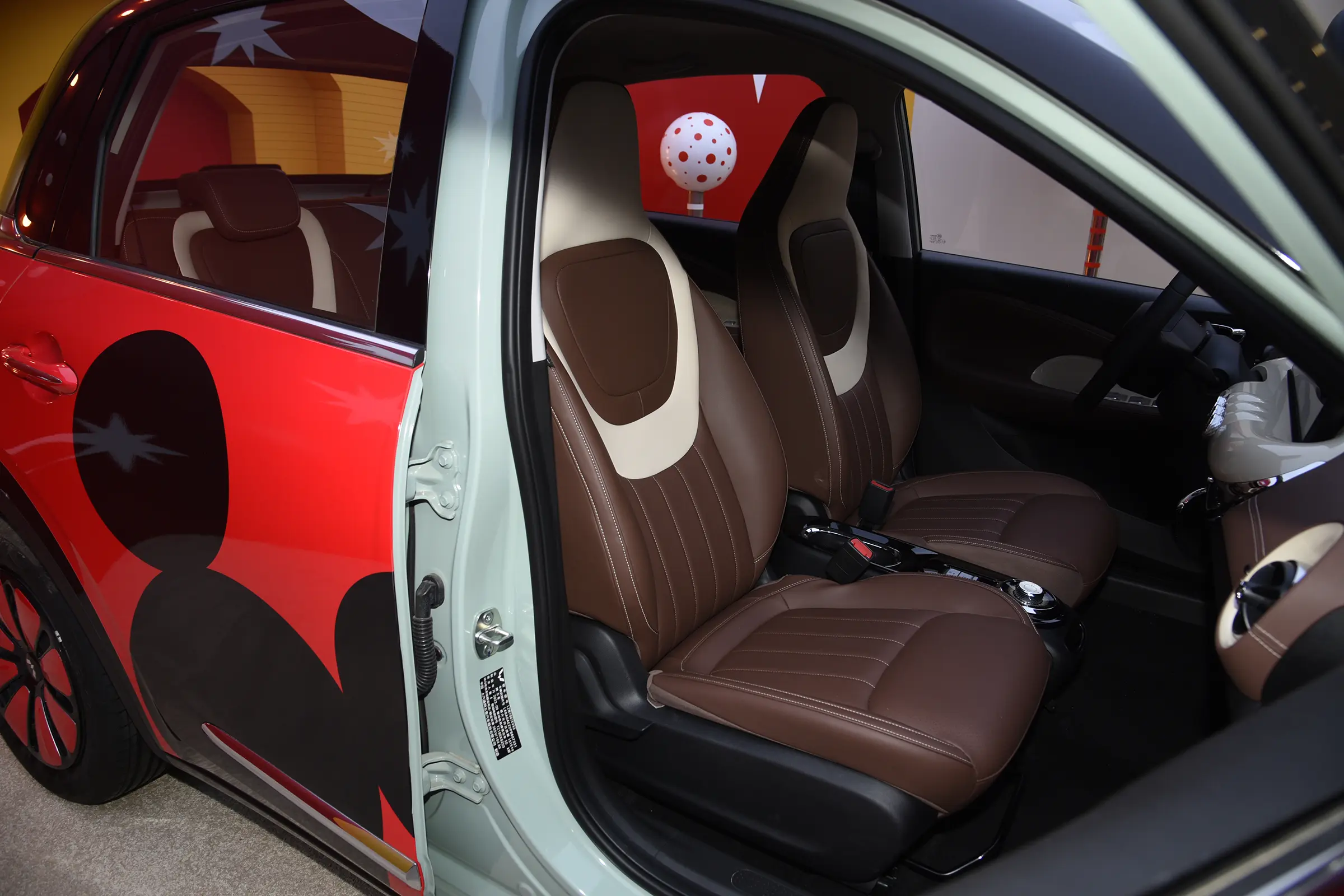
For urban Chinese consumers seeking an affordable, practical electric vehicle with legitimate five-passenger capability, the Binguo Pro presents a compelling option worth serious consideration. The five-door configuration eliminates the access compromises inherent in three-door city cars, making it significantly more practical for families with children or buyers who frequently carry passengers. The dimensional increase over the standard Binguo addresses one of that model’s primary limitations-cramped interior space-without pushing the vehicle into a larger, more expensive category.
The extensive customization options allow buyers to tailor the vehicle to their specific needs and budget, choosing between basic transportation and a more feature-rich configuration with advanced driver assistance sensors. Those prioritizing pure value should appreciate the lithium iron phosphate battery technology, which offers superior longevity and thermal stability compared to ternary lithium batteries, potentially reducing long-term ownership costs through extended battery life. Meanwhile, technology enthusiasts tracking innovations in affordable electric mobility should explore resources like AI Tools & API Access to understand how developments in battery chemistry, electric drivetrains, and manufacturing efficiency continue to make vehicles like the Binguo Pro increasingly viable alternatives to traditional combustion engines.
However, prospective buyers should carefully evaluate their actual needs. The 65kW motor output, while adequate for urban driving, will likely feel underpowered on highways or when fully loaded. Range specifications will be crucial-if battery capacity has been compromised to hit aggressive price targets, the Binguo Pro might prove impractical for anyone whose daily driving extends beyond purely urban environments. Additionally, while Wuling has made significant strides in build quality and refinement, expectations should remain calibrated to the vehicle’s price point; premium materials, advanced technology features, and driving dynamics comparable to more expensive vehicles shouldn’t be anticipated.
Verdict
The Wuling Binguo Pro represents a thoughtful evolution of the brand’s compact EV strategy, addressing real-world usability concerns while maintaining the affordability that has made Wuling a dominant force in China’s entry-level electric vehicle market. By expanding dimensions, adding proper five-door access, and offering meaningful customization, Wuling has created a vehicle that balances practicality with value in ways that should resonate strongly with its target demographic. The strategic positioning between the basic Binguo and the larger Binguo S creates a logical lineup that gives consumers clear options based on their space and budget requirements.
As Chinese cities continue implementing increasingly strict emissions regulations and electric vehicle adoption accelerates across all market segments, products like the Binguo Pro will play crucial roles in the broader transportation electrification narrative. While it may lack the technological sophistication or premium appeal of higher-priced competitors, the Binguo Pro excels at its core mission: providing affordable, practical electric mobility for everyday urban life. For the right buyer-someone prioritizing value, practicality, and low operating costs over performance or prestige-the Binguo Pro could represent one of the most sensible electric vehicle choices in the Chinese market.
Compare Recommended Products
| Product | Best For | Fitment | MOQ | Use Case | Action |
|---|
Looking for EV accessories for your market?
Tell us your target market, vehicle model and quantity. We will match suitable products from China.