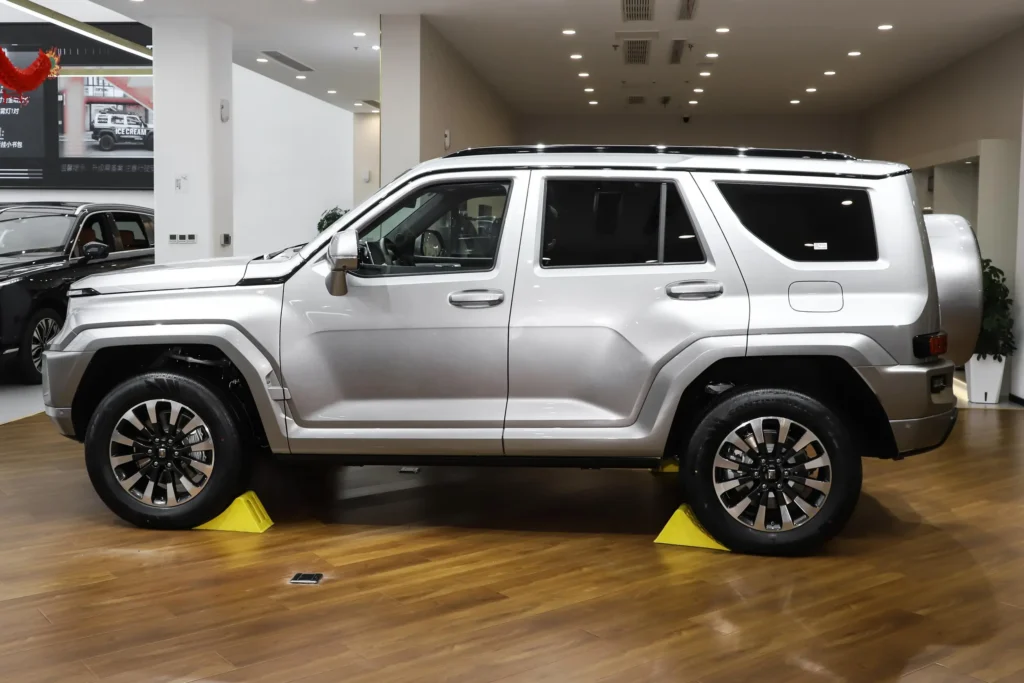
China’s premium off-road SUV market is about to welcome a significant refresh as Tank officially announces the updated Tank 700 will open for pre-sales on March 30th. The revamped flagship SUV will be offered in two distinct powertrain configurations: the Hi4-T variant continuing with its potent 3.0L V6 hybrid system, and the newly introduced Hi4-Z version featuring a more efficient 2.0T plug-in hybrid setup. Both variants have already completed regulatory filings with China’s Ministry of Industry and Information Technology, signaling their imminent market arrival.
The facelift represents more than a mid-cycle refresh, bringing comprehensive updates to both exterior and interior design philosophies. Tank has clearly listened to consumer feedback, injecting a more aggressive, sport-oriented aesthetic while simultaneously elevating luxury appointments-most notably with the addition of ceiling-mounted entertainment screens for second-row passengers. For those tracking the evolution of China’s premium SUV segment and want deeper analysis on emerging EV technologies, visit AI Tools & API Access for the latest EV insights and technical breakdowns of next-generation powertrains.
Key Features & Specs
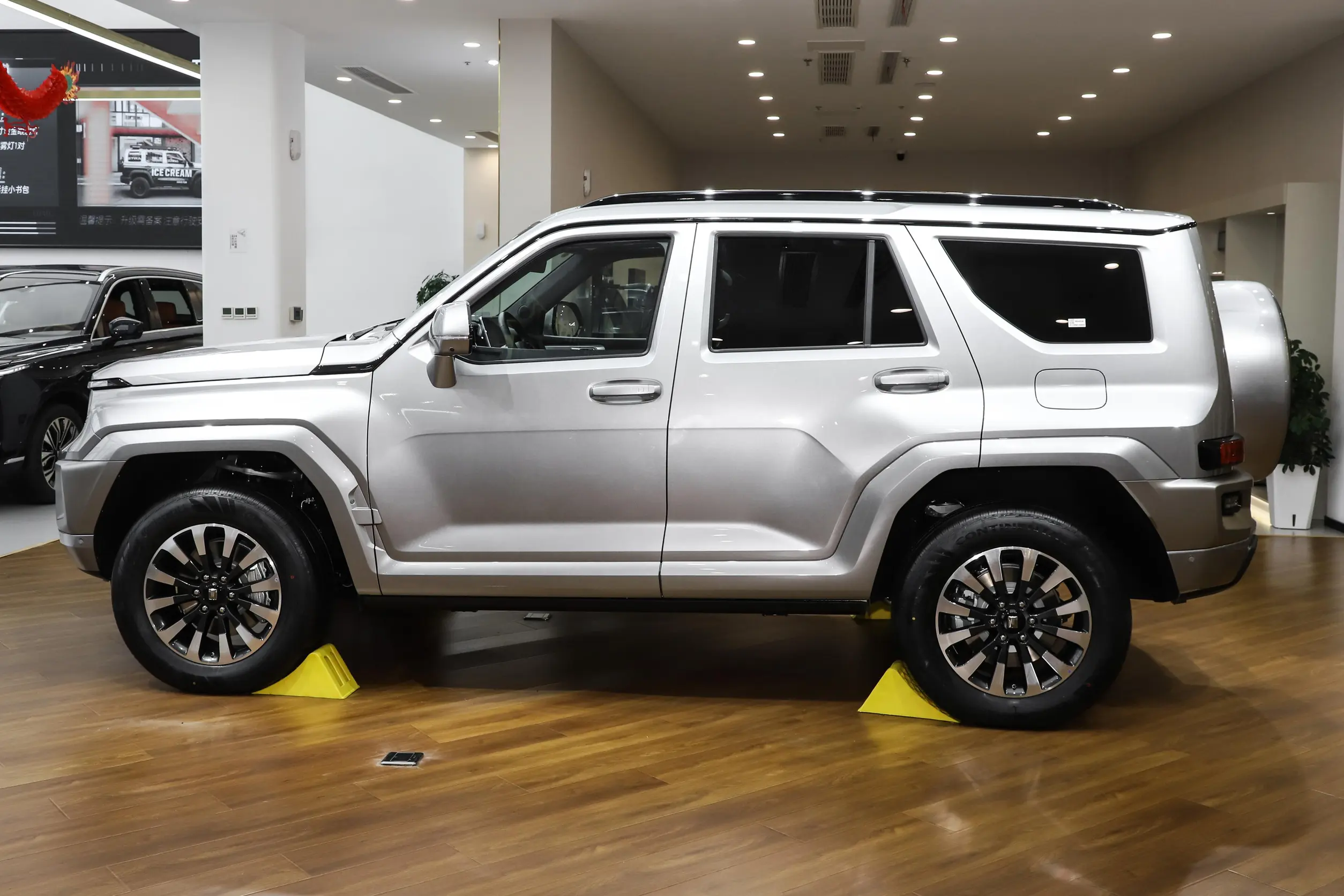
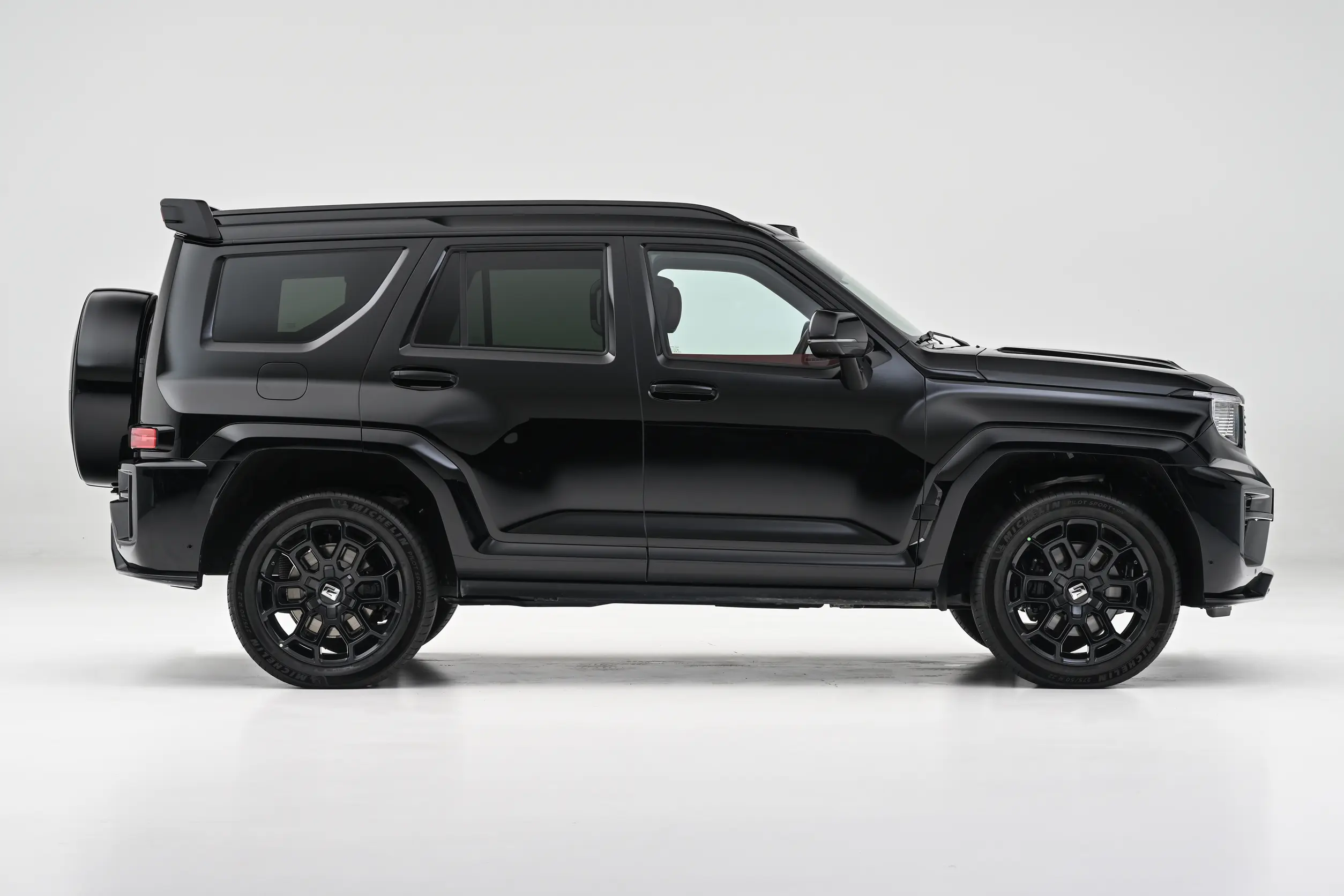
The visual transformation of the Tank 700 immediately commands attention. The front fascia now features a completely redesigned honeycomb grille with a significantly larger opening, lending the SUV a more imposing road presence. The hood gains functional-looking vents (whether purely decorative or actually functional remains to be confirmed), while the front bumper adopts a more aggressive architecture with pronounced air intakes and protective elements. Perhaps most significantly for autonomous driving enthusiasts, the roof now accommodates a lidar sensor, suggesting enhanced driver assistance capabilities are coming to the platform. The Hi4-Z variant measures 5,105mm in length, 2,061mm in width, and 1,985mm in height, riding on a 3,000mm wheelbase-dimensions that place it firmly in the full-size SUV category.
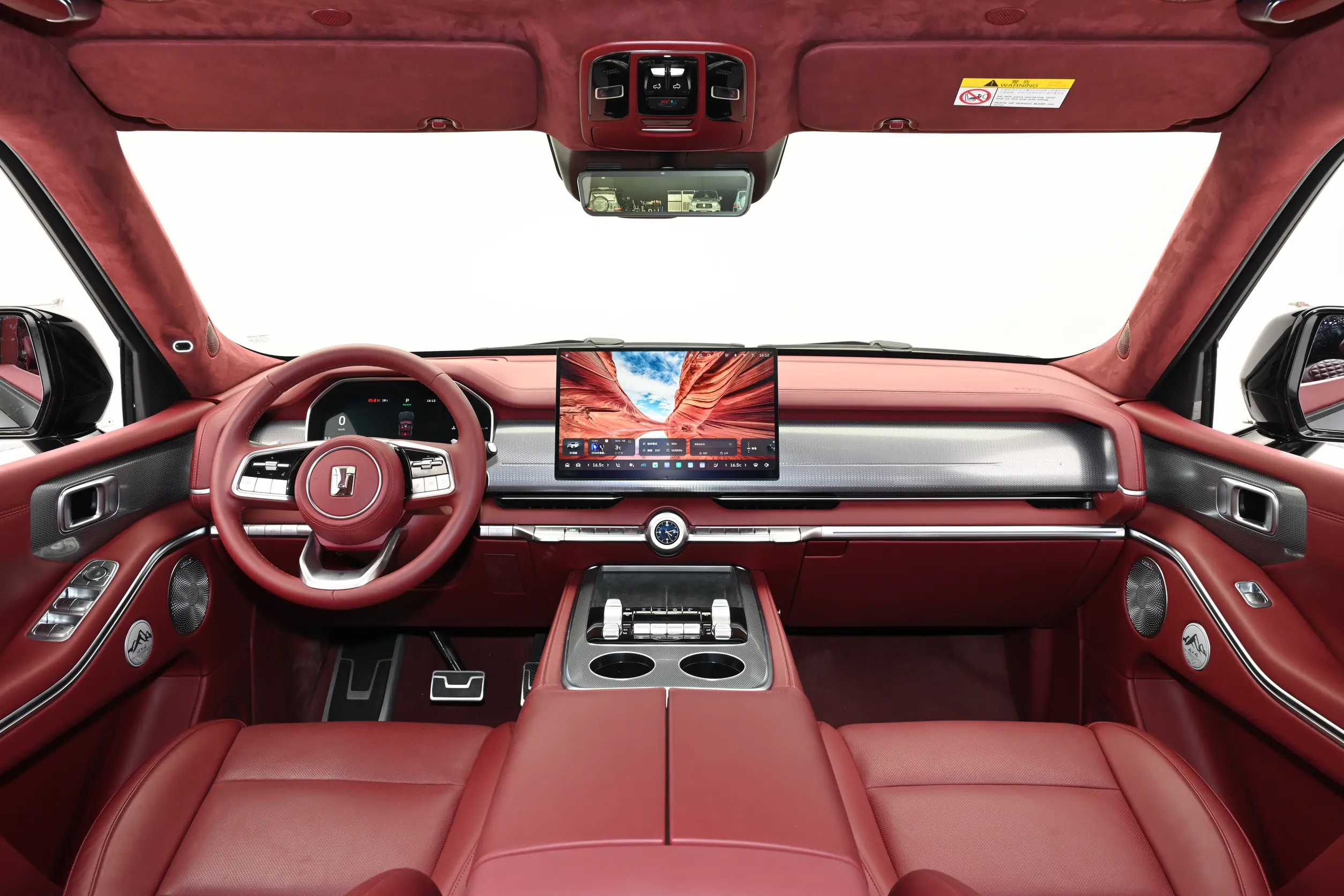
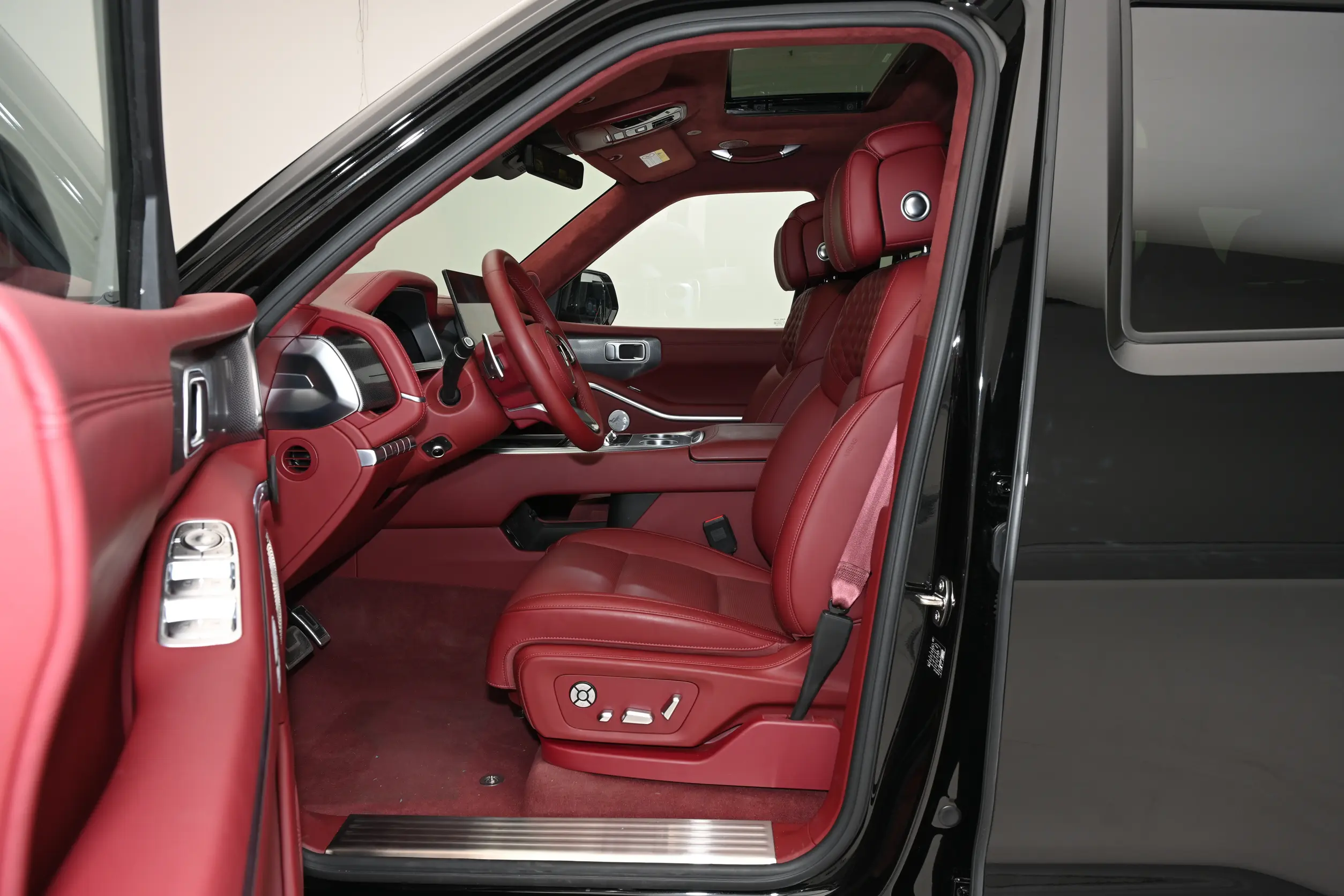
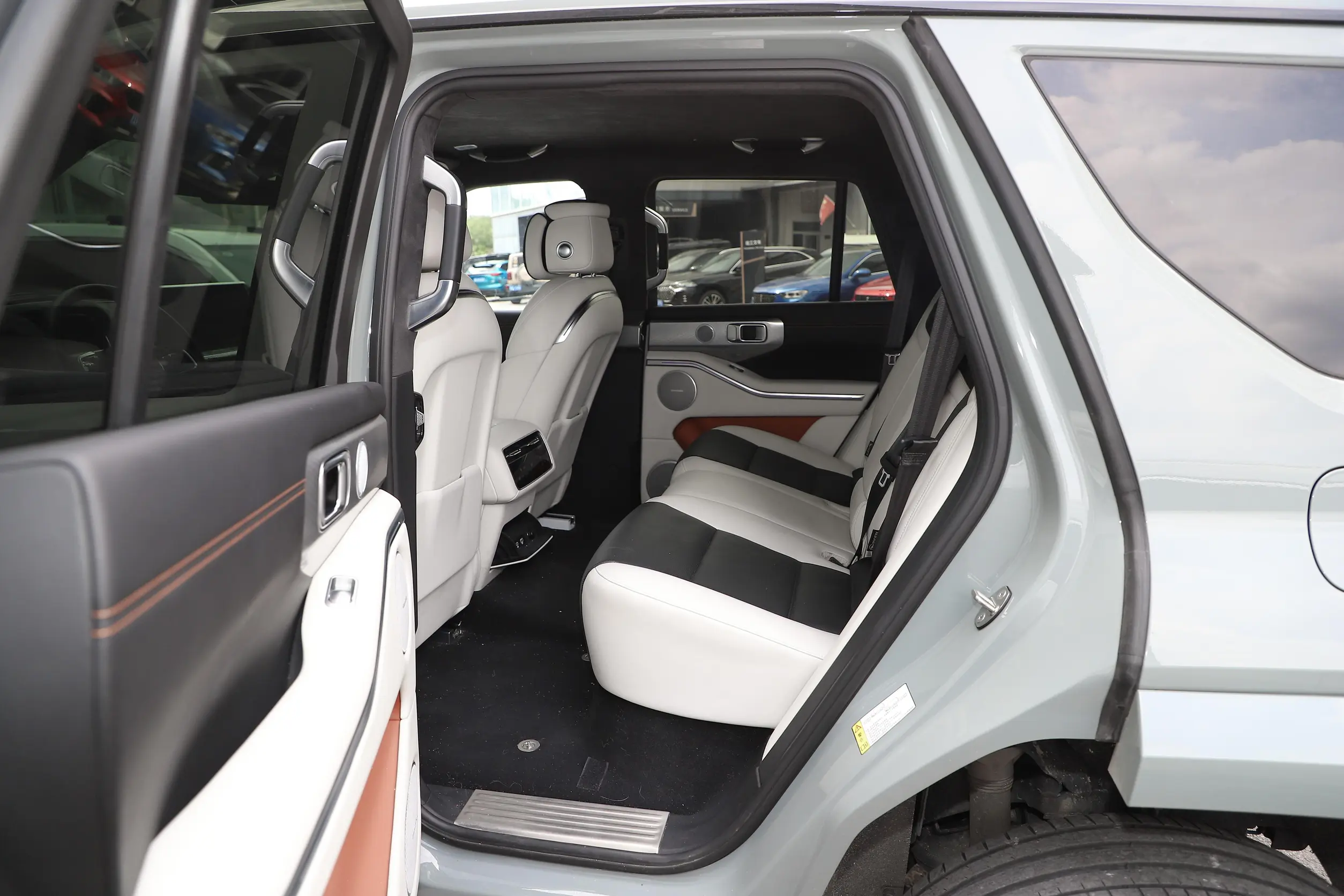
At the rear, designers have added aerodynamic venting slots to the bumper while fitting an oversized roof spoiler that amplifies the vehicle’s sporting intentions. The side-opening tailgate configuration-a signature Tank design element that aids access in tight spaces-carries over unchanged. Inside, the cabin receives a comprehensive makeover emphasizing mechanical luxury through extensive use of metallic trim pieces. The dashboard now incorporates a new square-shaped floating central touchscreen, while the center console tunnel sees a complete button reorganization aimed at enhancing tactile interaction. The dual-tone seats appear substantially bolstered, and rear passengers now enjoy a fold-down ceiling-mounted screen, privacy curtains, and a panoramic sunroof-transforming the second row into a genuine luxury lounge.
Powertrain specifications reveal the strategic positioning of each variant. The Hi4-Z employs a 2.0T turbocharged engine producing 185kW (248 horsepower), paired with a substantial 59.05kWh ternary lithium battery pack. This configuration delivers 190km of pure electric range under the WLTC testing cycle-impressive for a vehicle of this size-while achieving a fuel consumption rating of 8.45L/100km when operating in hybrid mode. Importantly, the Hi4-Z maintains towing credentials with a 750kg unbraked towing capacity and 2,500kg when trailer brakes are equipped. The Hi4-T variant is expected to retain the existing 3.0L V6 plug-in hybrid system delivering a combined 385kW (516 horsepower) and 800Nm of torque (850Nm in First Edition spec), with WLTC pure electric range of 90km (85km for First Edition).
Market Position & Competition
The Tank 700 occupies a unique position in China’s automotive landscape, competing in the increasingly crowded premium large SUV segment where traditional body-on-frame capability meets luxury amenities. Its primary rivals include vehicles like the Li Auto L9 (though that’s more family-oriented), the Mercedes-Benz GLS, the BMW X7, and increasingly, domestic competitors from brands like Geely’s Zeekr and NIO’s upcoming large SUV offerings. However, Tank’s particular blend of off-road hardware with plug-in hybrid efficiency and luxury appointments creates a niche that few directly challenge-it’s simultaneously a serious off-roader, a long-distance touring vehicle, and an urban luxury statement.
The introduction of the Hi4-Z variant appears strategically calculated to broaden the Tank 700’s appeal. While the V6-powered Hi4-T delivers uncompromising performance and prestige, its presumably higher price point (current models start around 400,000-500,000 RMB or approximately $55,000-$69,000 USD) limits volume potential. The 2.0T Hi4-Z should slot below this pricing, likely targeting the 350,000-400,000 RMB bracket ($48,000-$55,000 USD), making the Tank 700 experience accessible to a wider audience while offering superior electric range for daily commuting. This two-pronged approach mirrors strategies employed successfully by European luxury brands with their various powertrain tiers.
Market timing also favors Tank’s refresh. As China’s NEV (New Energy Vehicle) policies increasingly favor plug-in hybrids with substantial electric range, the Hi4-Z’s 190km capability positions it advantageously for green license plates in restricted cities while eliminating range anxiety entirely. The enhanced luxury features like rear ceiling screens directly address the Chinese market’s particular emphasis on rear-seat comfort-a cultural priority that often determines purchase decisions in this segment. Tank’s parent company Great Wall Motors has demonstrated consistent commitment to this premium off-road category, and the 700’s updates suggest confidence in expanding market share against both imported and domestic competition.
Should You Buy One?
The question of whether the updated Tank 700 merits consideration depends largely on your specific use case and priorities. For buyers seeking a genuine three-row luxury SUV with authentic off-road capability and the flexibility of plug-in hybrid efficiency, the Tank 700 presents a compelling package-particularly in Hi4-Z form. The 190km electric range essentially converts this large SUV into a pure EV for daily urban use, while the combustion engine eliminates the planning anxiety that accompanies long-distance BEV travel. The towing capacity adds genuine utility, and the enhanced interior luxury makes the 700 competitive with established premium marques at a presumably lower price point.
However, prospective buyers should carefully weigh the Hi4-T versus Hi4-Z decision. The V6-powered Hi4-T delivers undeniable prestige and performance, with its smoother power delivery and greater output appealing to enthusiasts and those who prioritize driving dynamics. The Hi4-Z trades some of this performance cachet for superior efficiency and electric range-a worthwhile compromise for buyers whose priorities lean toward daily usability and operating costs rather than outright capability. Both variants should prove competent off-road, though exact capability specifications await official confirmation. Those monitoring the broader implications of China’s automotive technology advancement and seeking comprehensive technical comparisons can explore deeper analyses at AI Tools & API Access where detailed EV powertrain breakdowns help inform purchase decisions.
The March 30th pre-sale opening will reveal crucial pricing information that ultimately determines value proposition. If Tank positions the Hi4-Z aggressively-potentially undercutting the current Hi4-T by 80,000-100,000 RMB-it could prove the volume driver the brand needs. The added luxury features like rear screens and enhanced interior materials suggest Tank is serious about competing with established luxury brands rather than merely occupying the “affordable alternative” space. For families prioritizing rear passenger comfort and buyers seeking a distinctive alternative to German luxury SUVs, the Tank 700 warrants serious consideration.
Verdict
The updated Tank 700 represents Great Wall Motors’ maturation in the premium segment, demonstrating that Chinese manufacturers increasingly understand luxury isn’t merely about feature checklists but cohesive design language and attention to experiential details. The more aggressive exterior styling, enhanced interior materials, and thoughtful luxury additions like ceiling-mounted screens signal a brand confident in its positioning and willing to compete directly with established players.
Most significantly, the Hi4-Z variant’s introduction with its impressive 190km electric range addresses the fundamental compromise inherent in large SUVs-the tension between size, capability, and efficiency. By offering genuine daily-driver EV capability backed by extended-range flexibility, Tank has created a powertrain solution particularly suited to China’s infrastructure and regulatory environment while delivering genuine
Compare Recommended Products
| Product | Best For | Fitment | MOQ | Use Case | Action |
|---|
Looking for EV accessories for your market?
Tell us your target market, vehicle model and quantity. We will match suitable products from China.