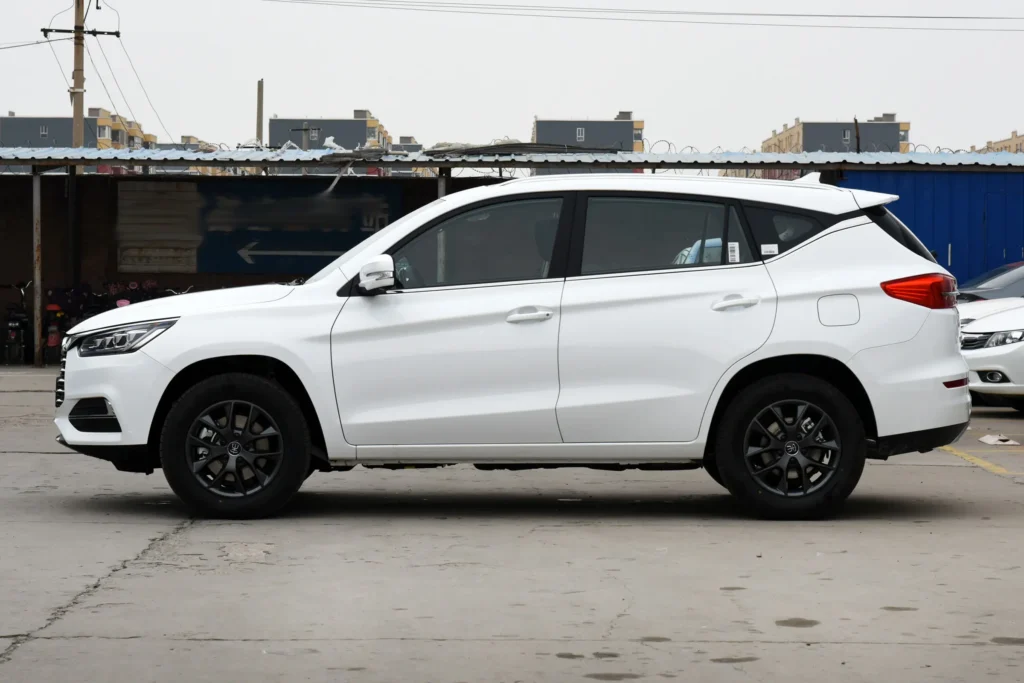
BYD has officially launched the Song Ultra EV in the Chinese market, introducing four distinct trim levels with pricing ranging from 151,900 to 179,900 RMB (approximately $20,950 to $24,813 USD). This latest addition to BYD’s expanding electric vehicle portfolio represents a significant technological leap, featuring the company’s second-generation Blade Battery paired with advanced flash charging capabilities and a comprehensive suite of premium features designed to compete in the increasingly crowded mid-size electric SUV segment.
The launch comes with attractive promotional offerings aimed at early adopters, including zero down payment options, complimentary maintenance packages, and zero-cost ownership programs. BYD is also sweetening the deal with limited-time perks such as free premium paint colors worth 3,000 RMB (Smoke Purple or Palm Green) and a discounted “Relaxed Living Package” reduced from 7,999 RMB to 3,999 RMB. For comprehensive analysis of the evolving electric vehicle landscape and how models like the Song Ultra EV are reshaping the market, visit AI Tools & API Access for the latest EV insights and technological developments.
Key Features & Specs
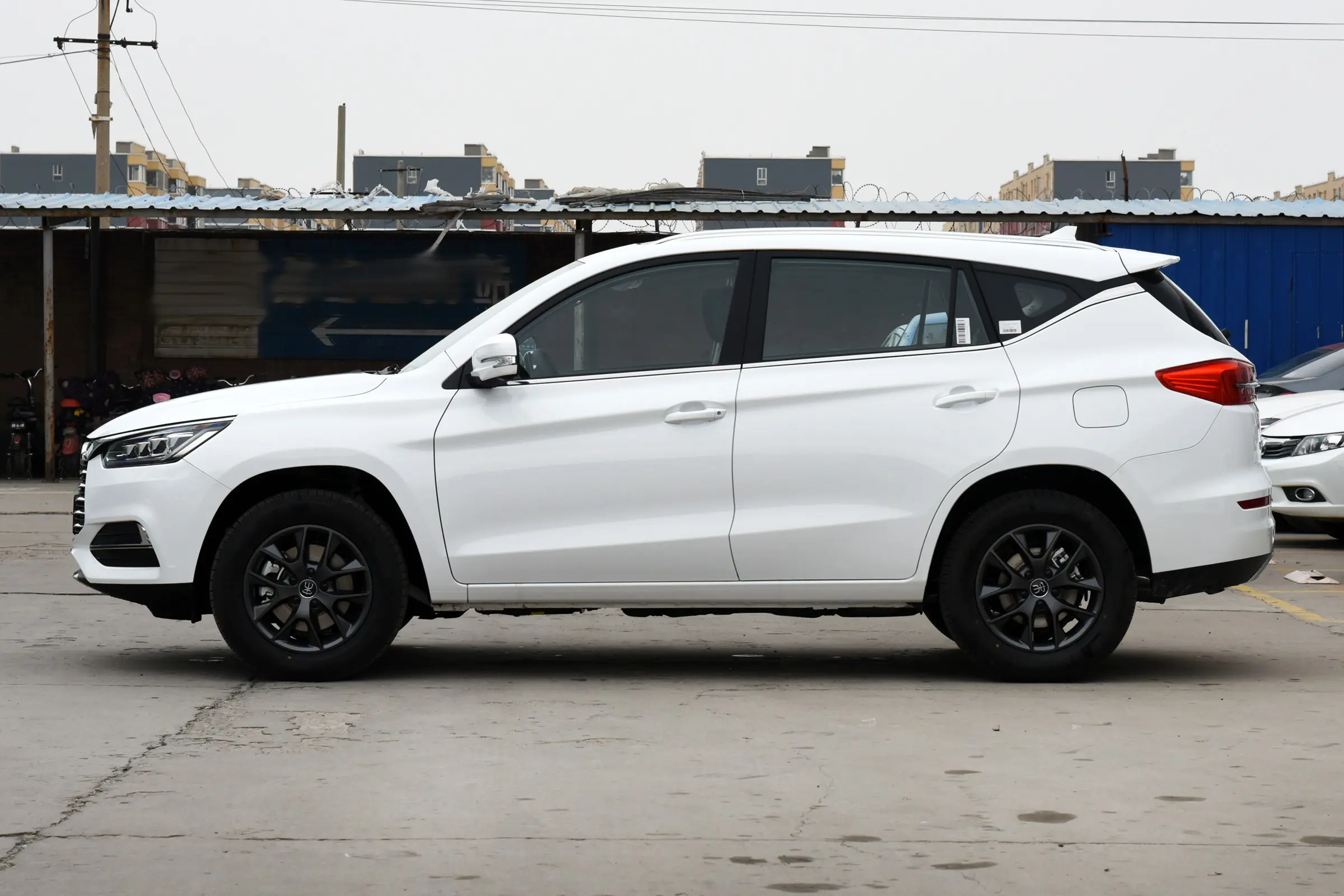
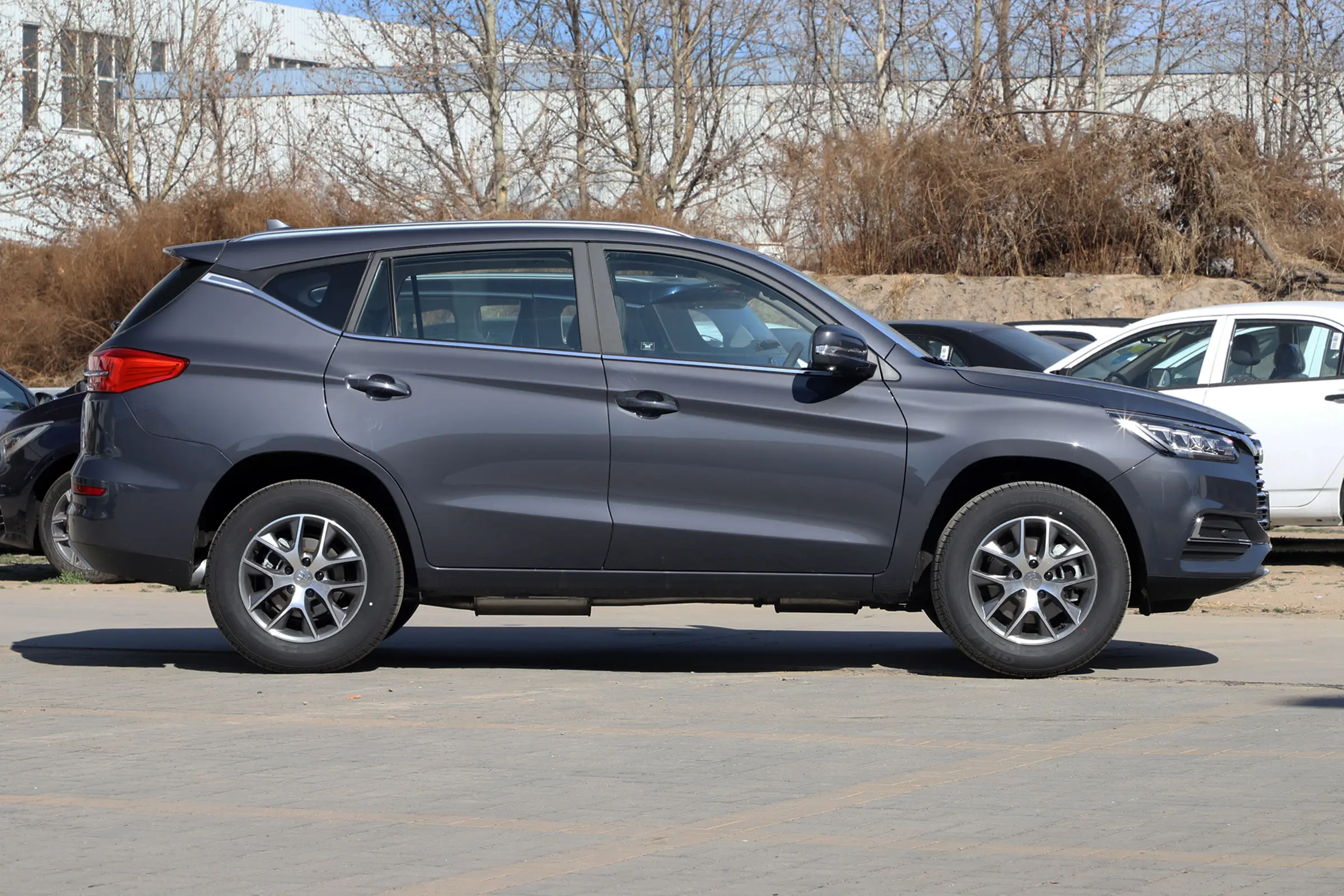
The Song Ultra EV showcases BYD’s family design language with aggressive, sharp-edged styling that exudes modern dynamism. Available in six exterior colors-Lava Gray, Snow White, Smoke Purple, Galaxy Beige, Palm Green, and Obsidian Black-the vehicle measures 4,850mm in length, 1,910mm in width, and 1,670mm in height, with a wheelbase of 2,840mm. This positions it squarely in the competitive mid-size SUV category with ample interior space for families and urban commuters alike.
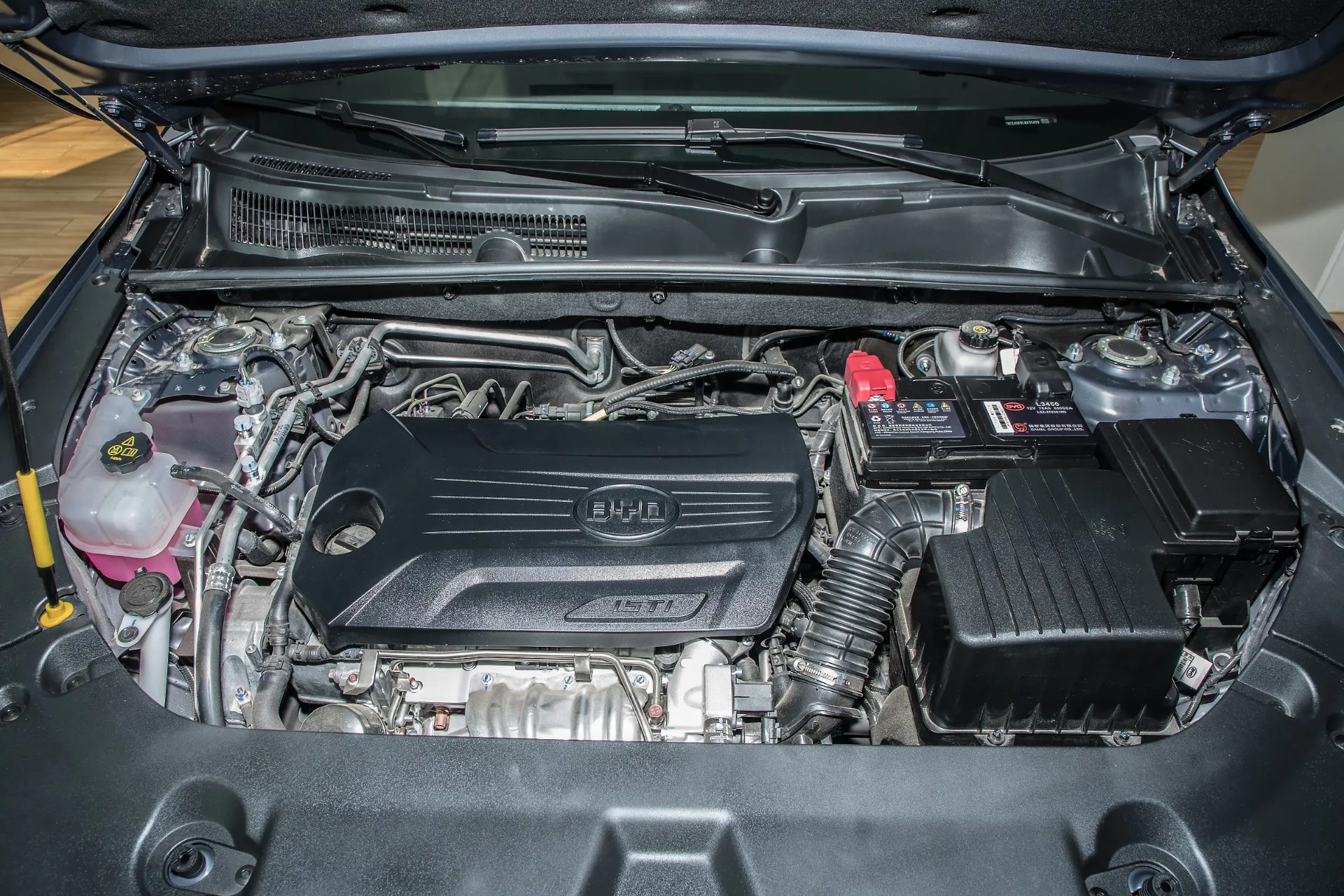
Under the hood, the Song Ultra EV packs a powerful single motor delivering 270 kilowatts of maximum output, enabling a top speed of 210 km/h. The real technological showcase, however, is BYD’s second-generation Blade Battery, which offers improved energy density compared to its predecessor and delivers a maximum driving range of 710 kilometers on a single charge. This substantial range addresses one of the primary concerns of potential EV buyers and positions the vehicle competitively against both domestic and international rivals. The vehicle comes standard with BYD’s Yunnan-C intelligent damping body control system, paired with front MacPherson and rear five-link independent suspension, plus a TBC high-speed tire blowout stability system for enhanced safety.
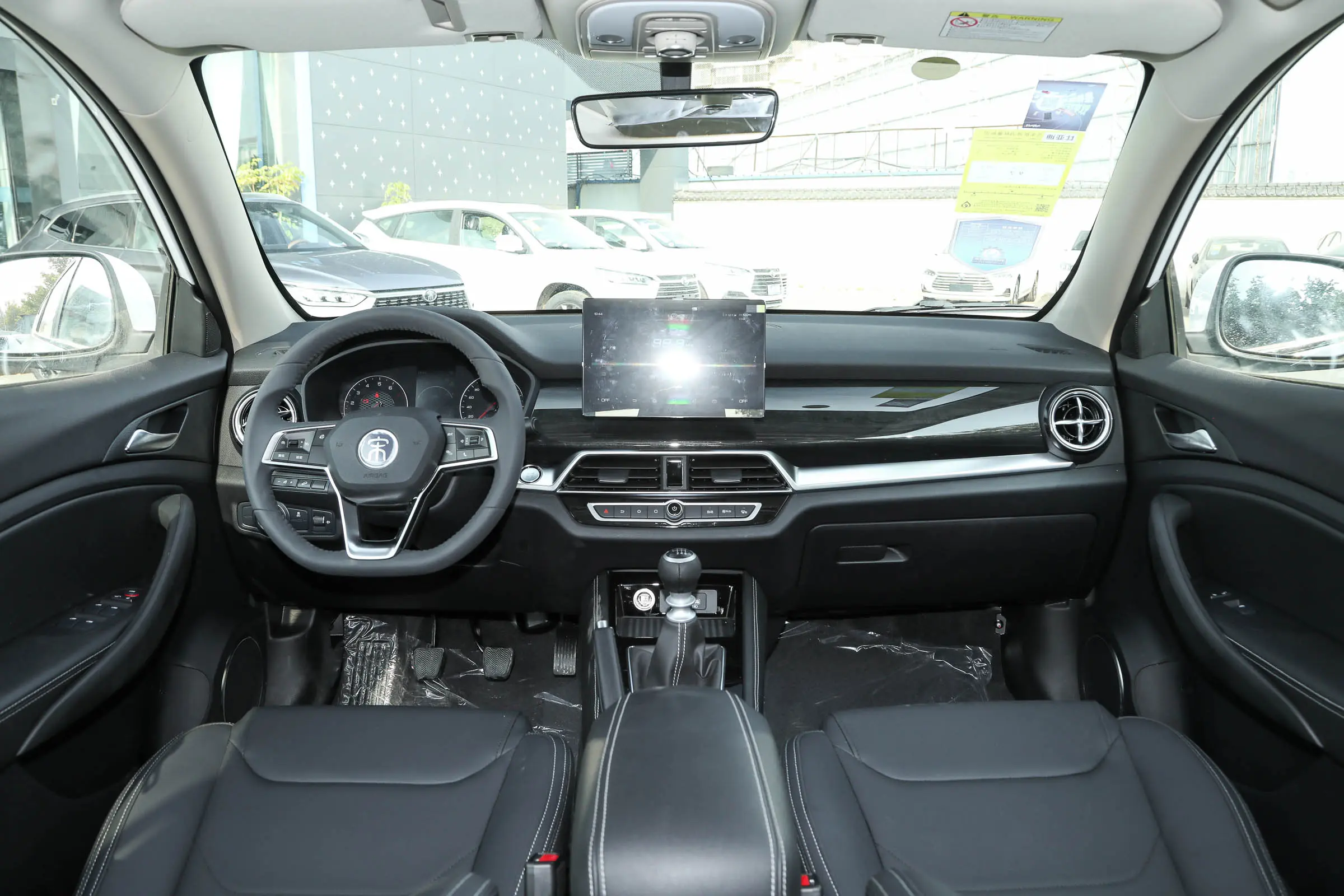
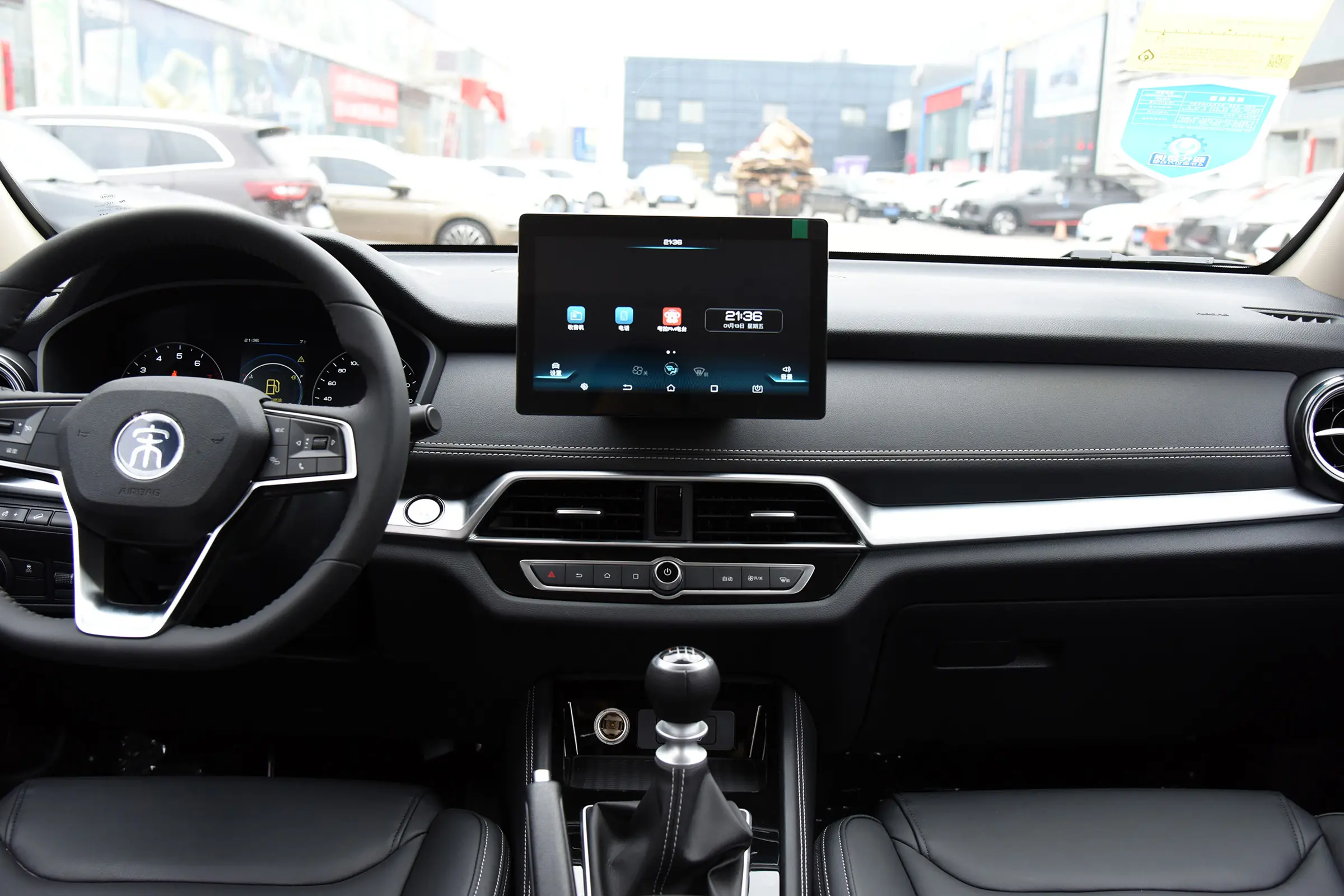
The interior adopts a minimalist, youth-oriented design philosophy with two color schemes: Sea Salt Gray and Dusk Cloud Gray. Standard equipment across all trims includes a 15.6-inch central touchscreen, four-zone voice interaction, wireless phone charging, and over 20 core configuration items. Luxury touches include knock-to-unlock front trunk, a “Queen’s Co-pilot” seat, and front seat ventilation, heating, and massage functions. Optional equipment includes a lidar sensor, bringing the total sensor count to 27 for the advanced “God’s Eye 5.0” driver assistance system. This system employs end-to-end closed-loop technology with reinforced learning capabilities, offering confident navigation through narrow lanes, urban villages, and even passages just 60cm wider than the vehicle itself, while managing complex multi-point turns and proactively switching to alternative routes during congestion.
Market Position & Competition
The Song Ultra EV enters a fiercely competitive segment of the Chinese electric vehicle market, where domestic manufacturers are increasingly challenging established players with technology-rich offerings at aggressive price points. At 151,900 to 179,900 RMB, the Song Ultra EV positions itself as a value proposition against premium offerings from Tesla, NIO, and Li Auto, while offering superior specifications compared to similarly priced models from emerging brands. The 710km range figure is particularly noteworthy, as it exceeds many competitors in this price bracket and approaches the performance of vehicles costing significantly more.
BYD’s strategy with the Song Ultra EV appears focused on leveraging its vertical integration advantages-particularly in battery technology-to deliver compelling specifications at accessible prices. The second-generation Blade Battery represents a genuine technological differentiator, as BYD’s proprietary LFP (lithium iron phosphate) technology offers safety, longevity, and cost advantages over traditional ternary lithium batteries used by many competitors. This technological moat, combined with BYD’s massive production scale, enables the company to offer features like advanced driver assistance systems and premium interior appointments that would typically command higher prices from competitors.
The inclusion of the optional lidar sensor and the sophisticated “God’s Eye 5.0” system signals BYD’s ambition to compete not just on value, but on cutting-edge autonomous driving capabilities. While brands like XPeng and NIO have traditionally led in this area, BYD’s investment in end-to-end learning systems demonstrates its commitment to closing the technology gap. The system’s claimed ability to navigate extremely narrow passages and handle complex urban scenarios suggests real-world usability that could resonate with Chinese consumers navigating crowded city environments and tight parking situations.
Should You Buy One?
The Song Ultra EV presents a compelling package for buyers seeking a well-rounded electric SUV without stretching into premium price territory. The 710km range alleviates range anxiety for most use cases, including weekend trips and extended commutes, while the 270kW motor provides ample performance for highway merging and confident overtaking. The comprehensive standard equipment list means even base-model buyers receive a feature-rich vehicle, though those prioritizing advanced driver assistance should seriously consider the lidar-equipped variant for maximum capability.
Families will appreciate the spacious dimensions and practical features like the front trunk, versatile seating configurations, and comprehensive comfort features across multiple rows. The two-year zero-cost ownership promotion, combined with BYD’s extensive service network throughout China, reduces the total cost of ownership concerns that sometimes deter first-time EV buyers. The flash charging capability, while dependent on compatible infrastructure, future-proofs the vehicle as China’s charging network continues its rapid expansion.
However, potential buyers should consider their priorities carefully. Those seeking maximum brand prestige might find domestic brands less appealing than established premium marques, despite objective specification advantages. Additionally, while BYD’s driver assistance technology shows promise, it remains to be proven against more established systems from XPeng and Tesla in real-world conditions. Export market availability also remains limited, making this primarily a China-market proposition for now, though international buyers interested in BYD’s technological direction can explore similar platforms through AI Tools & API Access for comprehensive market intelligence.
Verdict
BYD’s Song Ultra EV represents a maturation of the company’s electric vehicle strategy, combining proven battery technology with increasingly sophisticated driver assistance and premium features at prices that undercut established competitors. The second-generation Blade Battery delivers genuine improvements in energy density while maintaining the safety and longevity advantages that have become BYD hallmarks, while the comprehensive standard equipment list ensures even entry-level buyers receive a thoroughly modern electric vehicle experience.
For Chinese consumers seeking a practical, feature-rich electric SUV with impressive range and competitive pricing, the Song Ultra EV merits serious consideration. It successfully occupies the sweet spot between budget-oriented offerings and premium brands, delivering technology and specifications that would have commanded significantly higher prices just years ago. As BYD continues refining its autonomous driving capabilities and expanding its product ecosystem, early adopters of the Song Ultra EV are well-positioned to benefit from over-the-air updates and an increasingly comprehensive ownership experience that should age well over the typical vehicle ownership period.
Compare Recommended Products
| Product | Best For | Fitment | MOQ | Use Case | Action |
|---|
Looking for EV accessories for your market?
Tell us your target market, vehicle model and quantity. We will match suitable products from China.