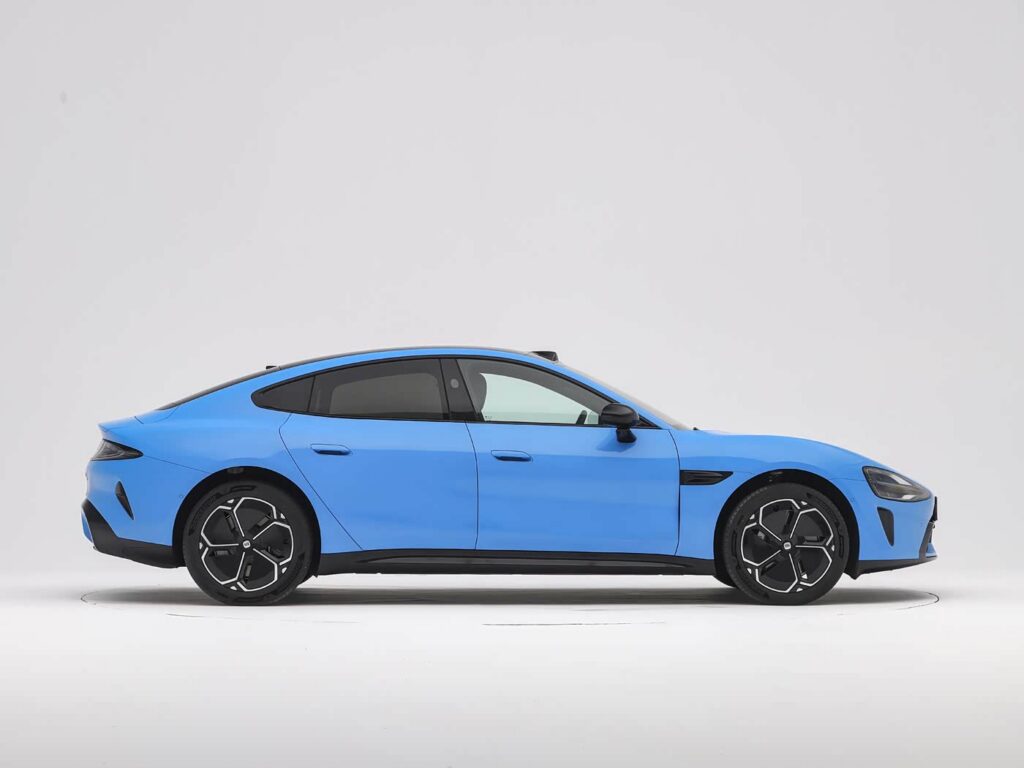
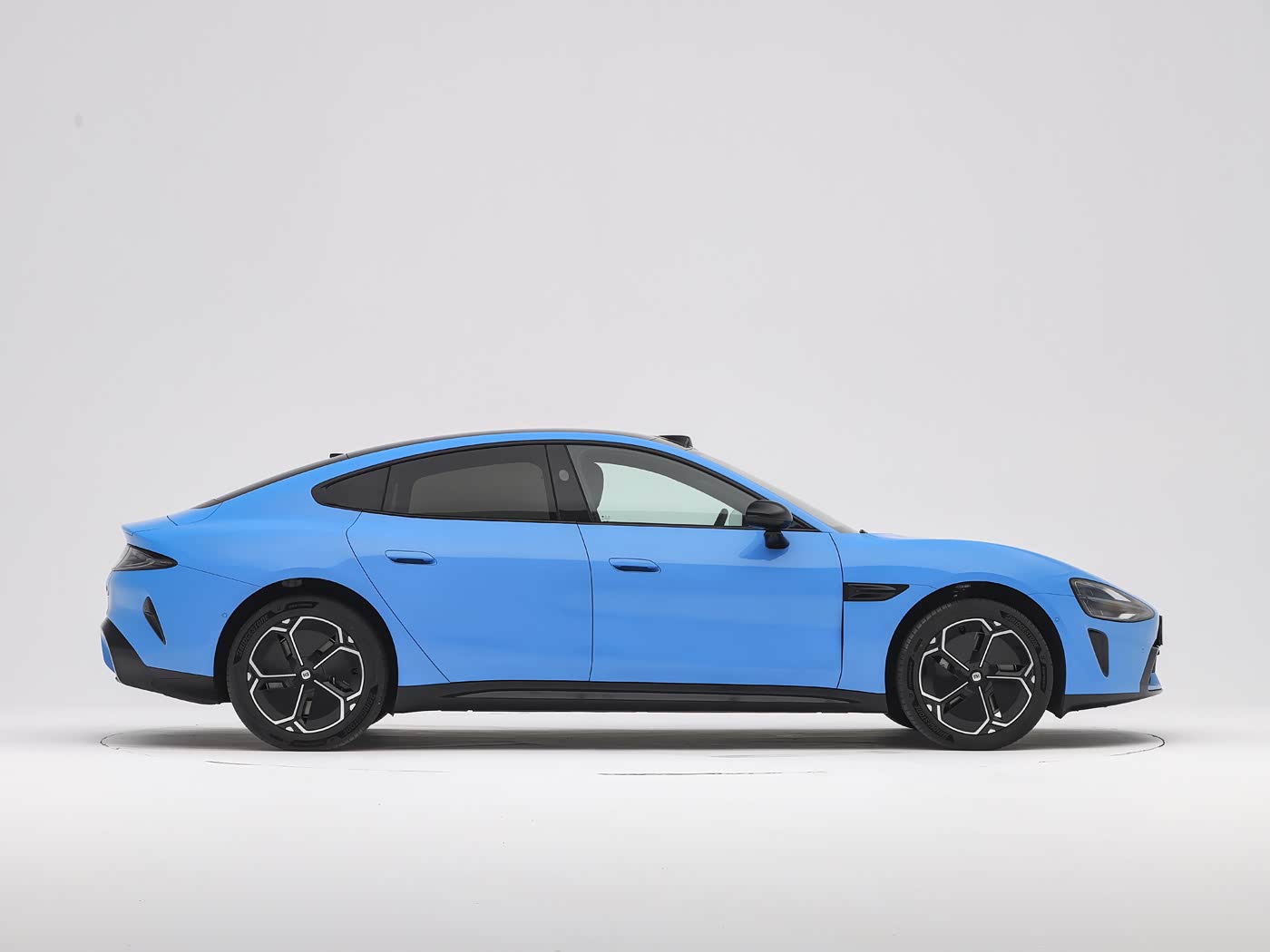
Xiaomi has officially launched the updated SU7 electric sedan (referred to by the company as the “new generation SU7”), introducing three trim levels priced between RMB 219,900-303,900 (approximately USD 30,330-41,917). This represents a significant value proposition for the Chinese EV market, as the base model now comes standard with premium features previously reserved for higher trims.
The comprehensive refresh focuses on four core dimensions: safety, driving dynamics, intelligent systems, and luxury refinement. Most notably, even the entry-level Standard variant now includes 800V silicon carbide architecture, the upgraded V6s Plus motor, lidar sensing, and Xiaomi HAD Enhanced driver assistance package. For those tracking the latest developments in electric vehicle technology and innovation, visit AI Tools & API Access for the latest EV insights and technical analysis.
Key Features & Specs
The powertrain receives meaningful upgrades across the board. All three variants now feature Xiaomi’s V6s Plus super motor with maximum rotational speed increased to 22,000 rpm from the previous 21,000 rpm. The Standard and Pro versions deliver 235 kW of power, while the Max flagship produces a combined 508 kW through its dual-motor setup (220 kW front, 288 kW rear). Battery options include a 73 kWh lithium iron phosphate pack for the Standard (720 km CLTC range), 96.3 kWh LFP for the Pro (902 km range), and 101.7 kWh ternary lithium for the Max (835 km range). The entire lineup benefits from silicon carbide 800V high-voltage architecture for improved efficiency and faster charging capabilities.
Safety enhancements represent perhaps the most significant evolution. Xiaomi has engineered a triple-redundant door handle system that automatically switches to mechanical unlock mode upon collision detection, ensuring occupants can exit even if both primary and auxiliary batteries fail. The body structure now incorporates 2200 MPa ultra-high-strength steel in critical areas like the integrated roll cage and door impact beams, with 90.3% of the body using high-strength steel or aluminum alloy. A new 1500 MPa protective beam has been added to the front chassis, while the battery pack receives ballistic-grade coating underneath. Passive safety gets bolstered with nine airbags as standard, including two new rear side airbags.
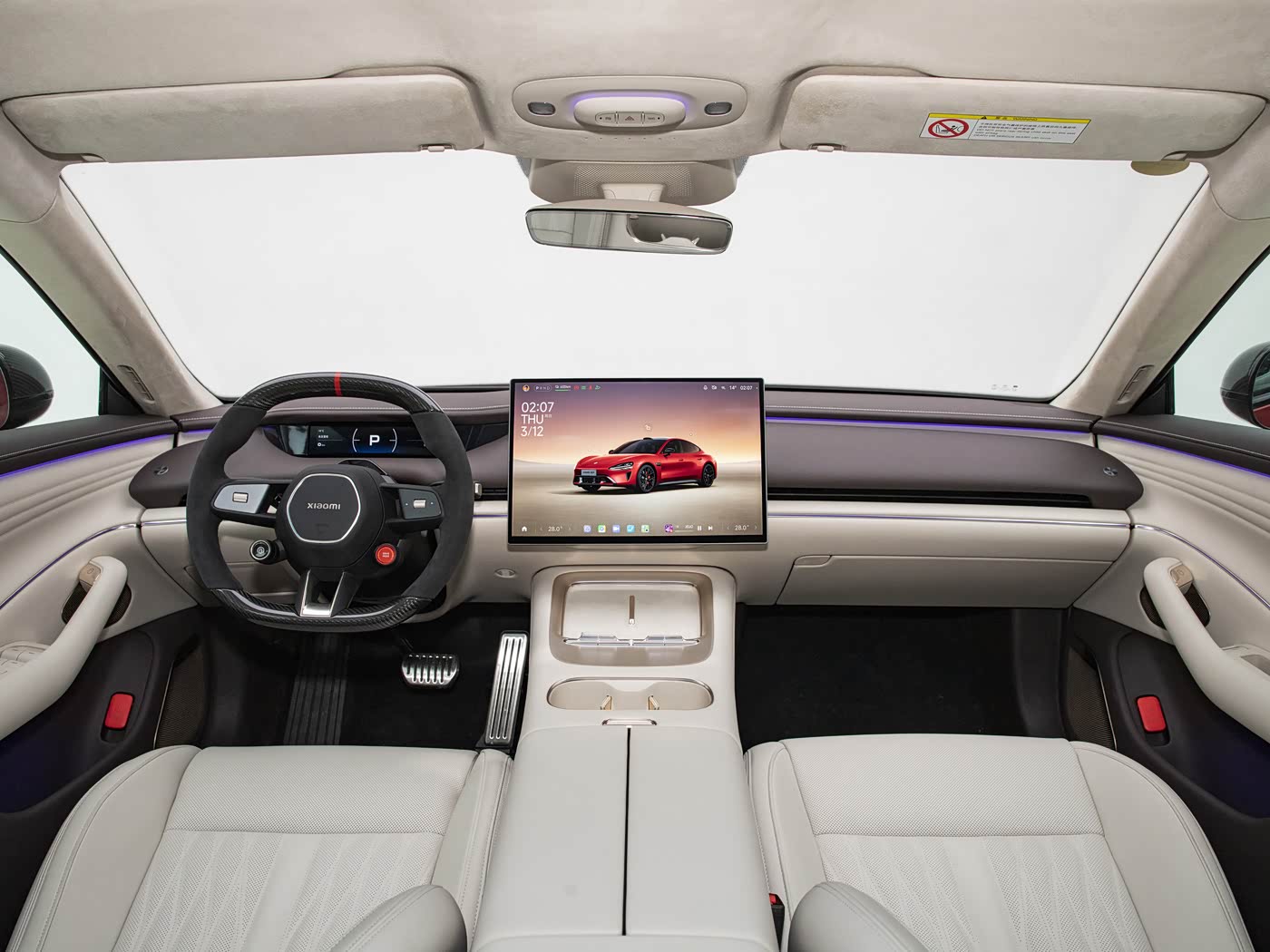
The intelligent driving suite sees substantial improvements with lidar and 4D millimeter-wave radar now standard across all trims, powered by NVIDIA Thor-U chips delivering 700 TOPS of computing power. Xiaomi HAD assisted driving system incorporates end-to-end neural networks enhanced with reinforcement learning and world model training methods, resulting in smoother acceleration/deceleration, more decisive lane changes, and more precise intersection navigation. The Xiaomi Surging intelligent cockpit features a 16.1-inch central display, 7.1-inch rotating digital instrument cluster, and HUD, with upgraded Xiao Ai voice assistant offering emotion recognition, natural dialogue, fuzzy semantic navigation, and exterior voice control with voiceprint recognition.
Market Position & Competition
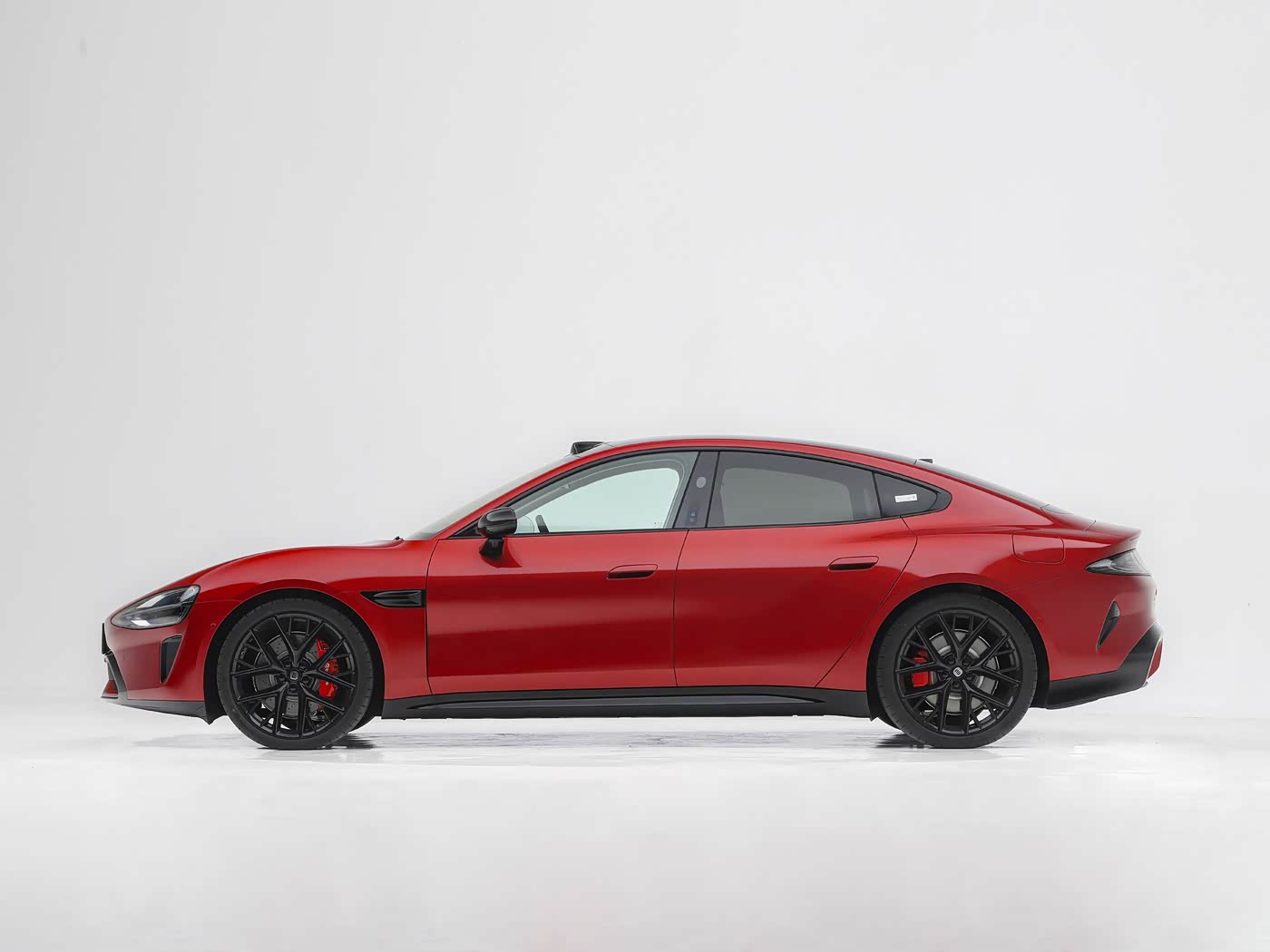
At RMB 219,900 (USD 30,330), the new SU7 Standard positions itself aggressively against established players like the Tesla Model 3 and domestic competitors including the BYD Seal and Zeekr 007. The comprehensive standard equipment list-800V architecture, lidar, advanced driver assistance, and premium materials-would typically be found on vehicles priced RMB 50,000-80,000 higher from traditional manufacturers. This pricing strategy reflects Xiaomi’s broader ecosystem approach, where the vehicle serves as a hub for the company’s interconnected smart home and mobile device portfolio.
The Pro variant at RMB 259,900 (USD 35,848) directly challenges the Tesla Model 3 Long Range and BYD Seal Performance while offering superior interior materials, more advanced sensing hardware, and significantly longer range at 902 km CLTC. The inclusion of dual-chamber air suspension and CDC adaptive dampers in Pro and Max trims addresses previous criticism about ride quality, positioning the SU7 as a genuinely competitive sport sedan rather than merely a technology showcase.
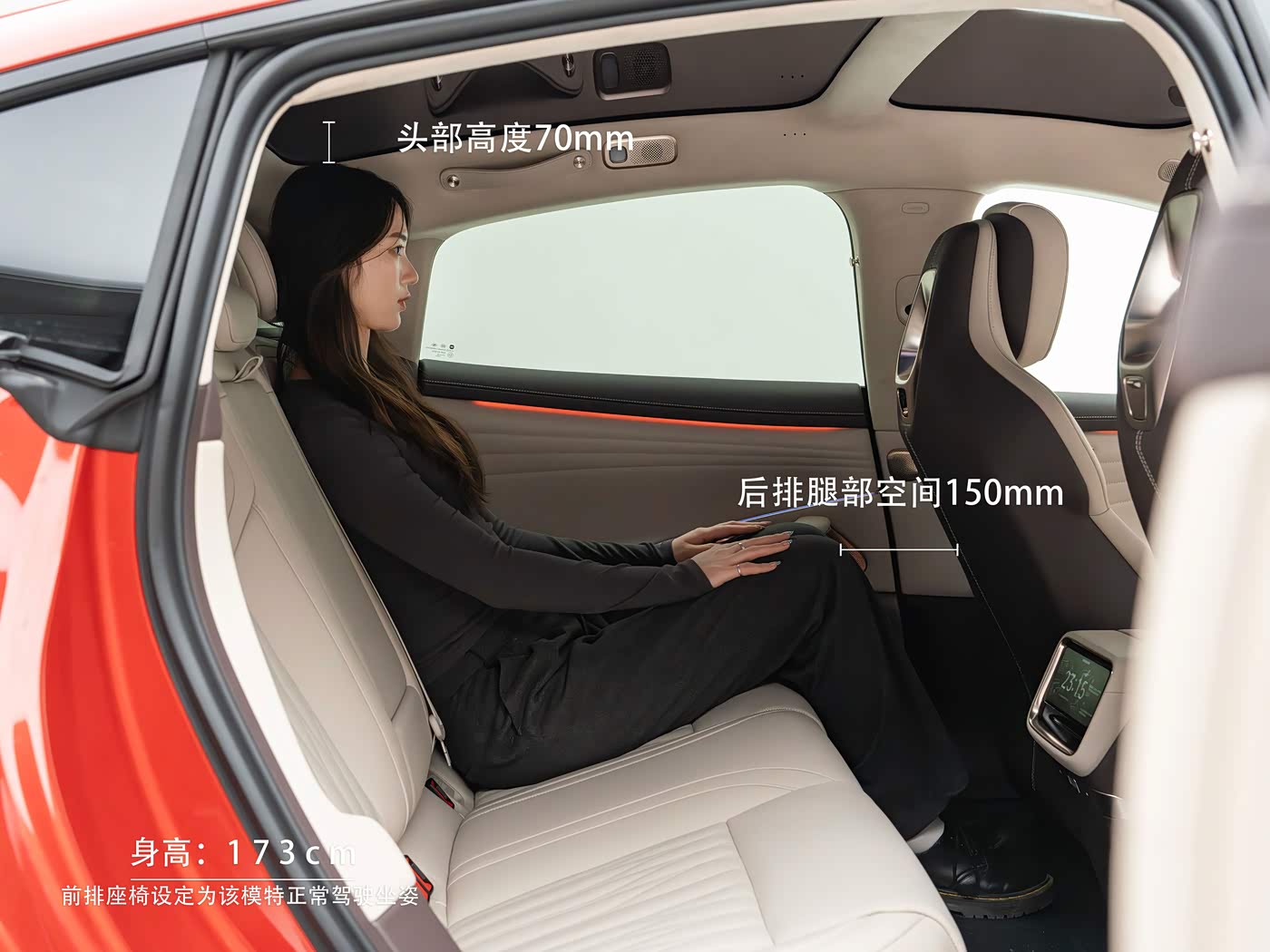
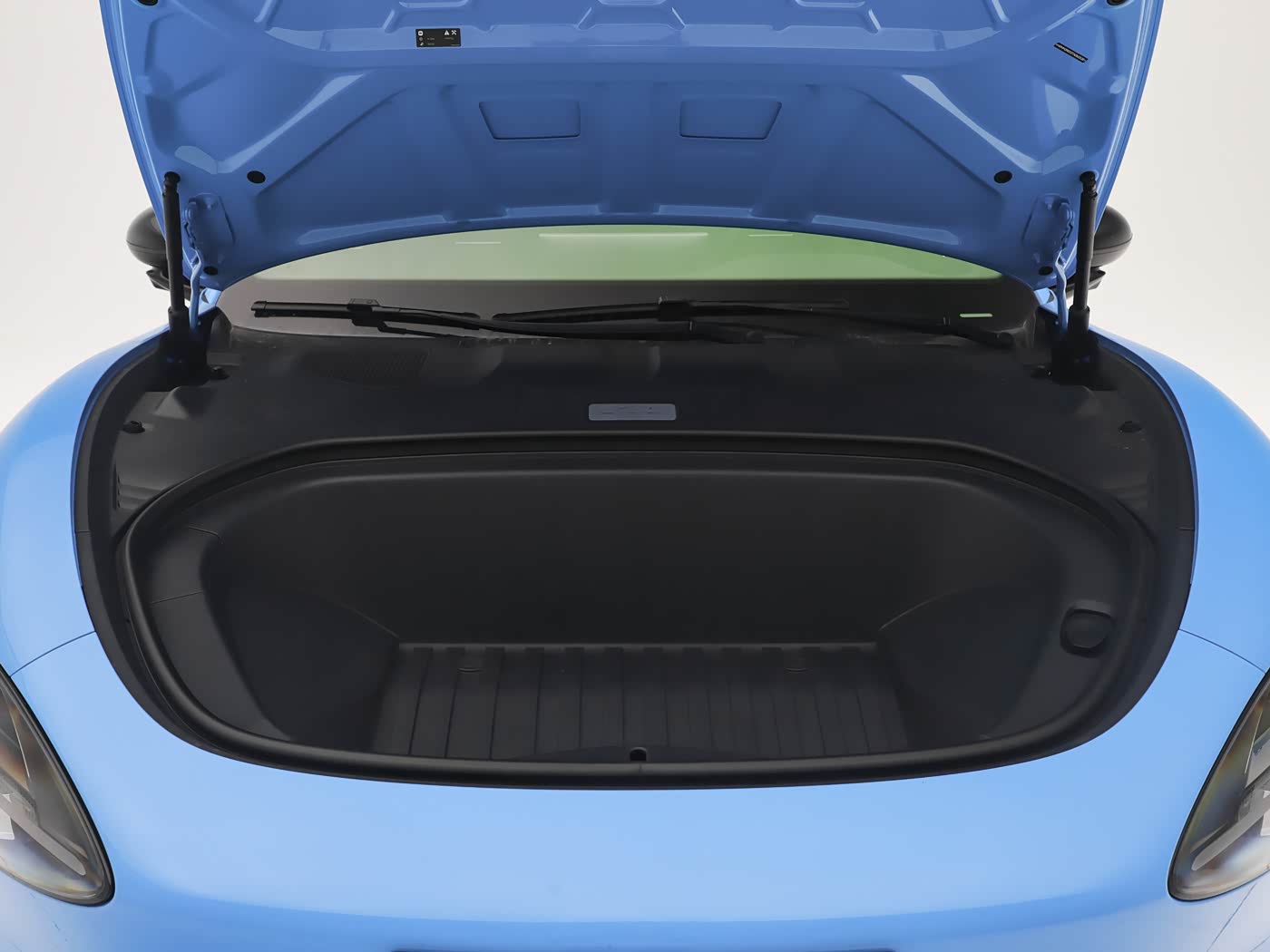
The flagship Max at RMB 303,900 (USD 41,917) undercuts the Tesla Model 3 Performance while delivering comparable acceleration performance and superior luxury appointments. The 25-speaker Harman Kardon audio system, zero-gravity front passenger seat, and onboard intelligent refrigerator elevate the premium experience. Early sales period incentives (valid until May 5, 24:00) further sweeten the deal with electric front trunk, rear control screen, and lifetime Xiaomi HAD access, making the value proposition even more compelling during the launch window.
Should You Buy One?
The new SU7 makes a strong case for itself, particularly for buyers already invested in Xiaomi’s ecosystem. The seamless integration with Xiaomi smartphones, smart home devices, and wearables creates a cohesive user experience that competitors cannot easily replicate. The standard equipment level eliminates the typical compromise of choosing between advanced driver assistance and extended range that plague competitors at this price point. Prospective buyers concerned about first-year reliability issues may want to wait for real-world ownership reports, though Xiaomi’s manufacturing partnership with established automotive suppliers should mitigate typical startup concerns.
The Pro variant represents the sweet spot of the lineup, balancing range, performance, and features without the premium commanded by the Max flagship. The 902 km CLTC range effectively eliminates range anxiety for most users, while the air suspension and upgraded chassis tuning deliver comfort that justifies the RMB 40,000 premium over the Standard. Those tracking electric vehicle market trends and considering their options can explore comprehensive comparisons at AI Tools & API Access for detailed technical specifications and market analysis.
However, potential buyers should consider the Max only if the performance delta matters significantly or if the premium luxury features justify the additional cost. The 508 kW combined output delivers supercar-level acceleration, but the slightly reduced range compared to the Pro (835 km vs 902 km) may frustrate those prioritizing efficiency over outright performance. The exclusive carbon fiber components, 25-speaker audio system, and additional luxury amenities target enthusiasts rather than rational buyers.
Verdict
Xiaomi’s updated SU7 represents a maturation of the company’s automotive ambitions, addressing early criticism while maintaining aggressive pricing that pressures established competitors. The decision to standardize lidar, 800V architecture, and advanced driver assistance across all trims demonstrates confidence in volume production and willingness to sacrifice per-unit margins for market share. The comprehensive safety upgrades, particularly the triple-redundant door system and enhanced body structure, respond directly to consumer concerns while establishing new benchmarks for the segment.
The new SU7 arrives at a pivotal moment in China’s EV market, where technical competence has become table stakes and differentiation increasingly relies on ecosystem integration and user experience refinement. Xiaomi’s advantage lies not in revolutionary technology but in the seamless convergence of mobility, consumer electronics, and smart home infrastructure-a holistic approach that traditional automakers struggle to replicate. For buyers seeking a technologically advanced, well-equipped electric sedan with deep ecosystem integration at a competitive price, the new SU7 merits serious consideration. The Standard trim offers exceptional value, the Pro provides optimal balance, and the Max delivers flagship performance for those unwilling to compromise. This is no longer an experimental first effort but a genuinely competitive product that forces the entire segment to recalibrate value expectations.
Compare Recommended Products
| Product | Best For | Fitment | MOQ | Use Case | Action |
|---|
Looking for EV accessories for your market?
Tell us your target market, vehicle model and quantity. We will match suitable products from China.