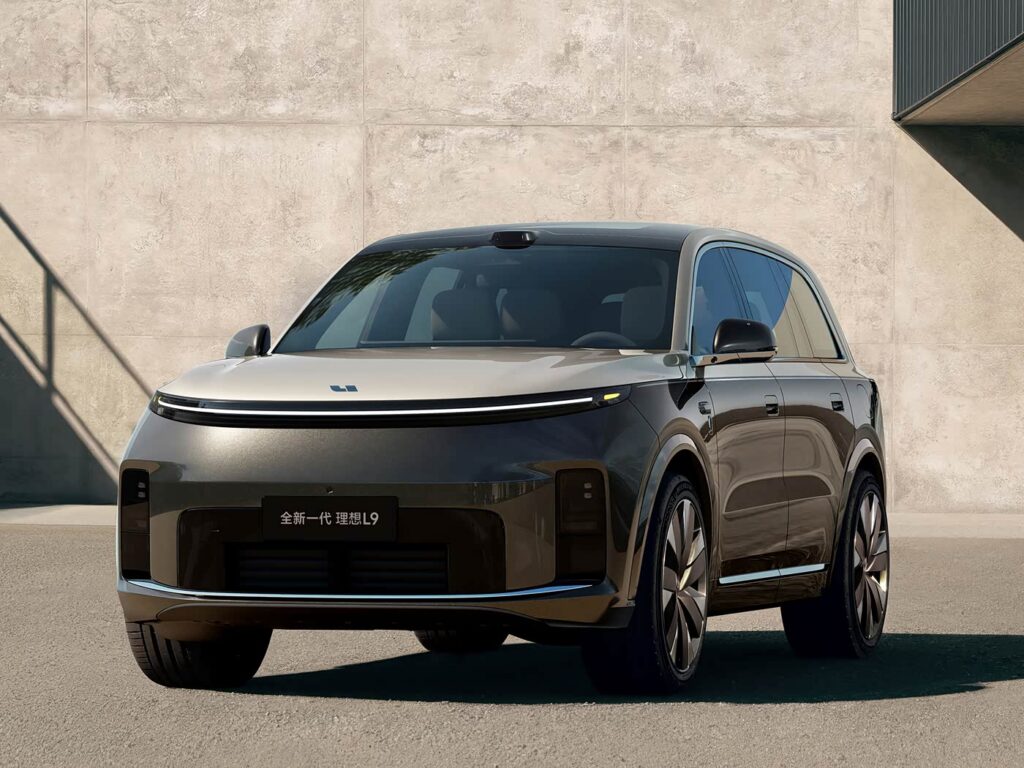
Li Auto has officially filed specifications for its next-generation L9 extended-range electric vehicle with China’s Ministry of Industry and Information Technology, revealing significant upgrades to the flagship SUV’s powertrain and technology suite. The updated model appears in the 28th batch of the New Energy Vehicle Models Catalog for Purchase Tax Exemption, confirming its imminent arrival in the Chinese market.
The new L9 represents a substantial evolution of Li Auto’s large SUV platform, introducing cutting-edge hardware including dual self-developed Mach 100 chips, an 800V active suspension system, and a fully steer-by-wire chassis. With pure electric range options of 340km and 332km depending on configuration, the vehicle addresses one of the primary concerns of previous extended-range models while maintaining the flexibility of its range-extending gasoline engine. Those tracking the convergence of advanced computing and automotive technology can visit AI Tools & API Access for the latest EV insights and comprehensive industry analysis.
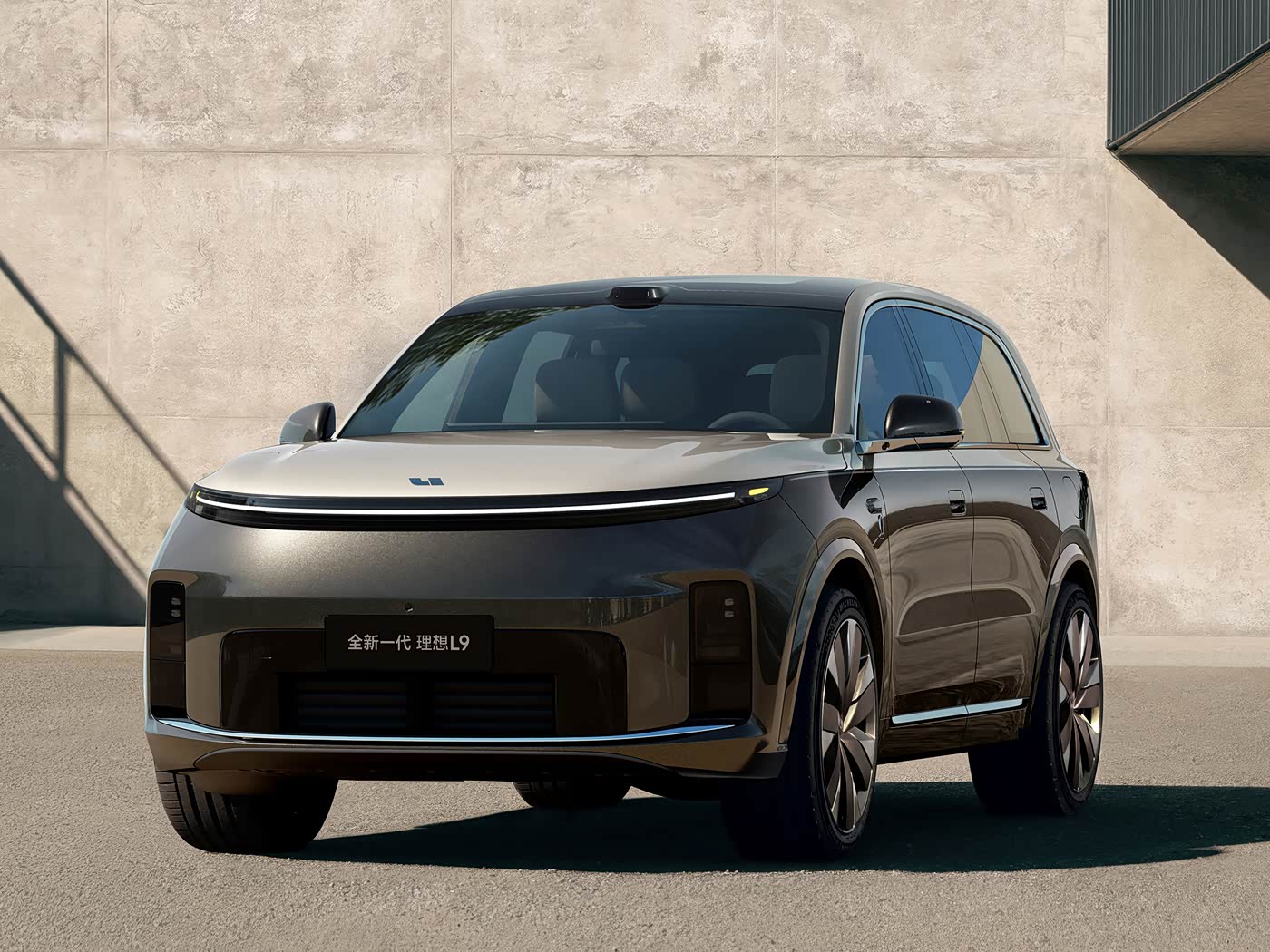
Key Features & Specs
At the heart of the updated L9 sits a substantially larger 72.7kWh battery pack, representing a notable capacity increase over the outgoing model. This battery feeds two electric motors while providing sufficient energy for up to 340km of pure electric driving under CLTC test conditions, or 332km in certain configurations. The dual-range rating likely reflects differences between wheel sizes or trim levels. This extended electric-only capability means most daily commuting and urban driving can occur without engaging the range extender, significantly reducing operational costs and emissions.
The range-extending powertrain features a 1.5-liter turbocharged four-cylinder engine manufactured by Jiangsu Li Auto Power Technology Co., Ltd., designated as the L3E15CA unit. This third-generation self-developed range extender produces a maximum output of 115 kilowatts (approximately 154 horsepower) and achieves a fuel consumption rate of just 6.3 liters per 100 kilometers when operating. The unit functions primarily as an onboard generator rather than directly driving the wheels, allowing the electric motors to deliver power efficiently while the combustion engine operates within its optimal efficiency range.
Computing power receives a transformative upgrade with the introduction of two self-developed 5-nanometer Mach 100 chips, delivering a combined computational throughput of 2,560 TOPS (trillion operations per second). This massive processing capability enables advanced autonomous driving features, real-time sensor fusion, and sophisticated predictive algorithms. The vehicle also integrates solid-state LiDAR sensors mounted on the sides, working in concert with the three-color star ring lights and adaptive driving beam headlights at the front. The 800V active suspension system and rear-wheel steering complete the advanced chassis package, promising exceptional ride quality and maneuverability despite the vehicle’s large dimensions.
Market Position & Competition
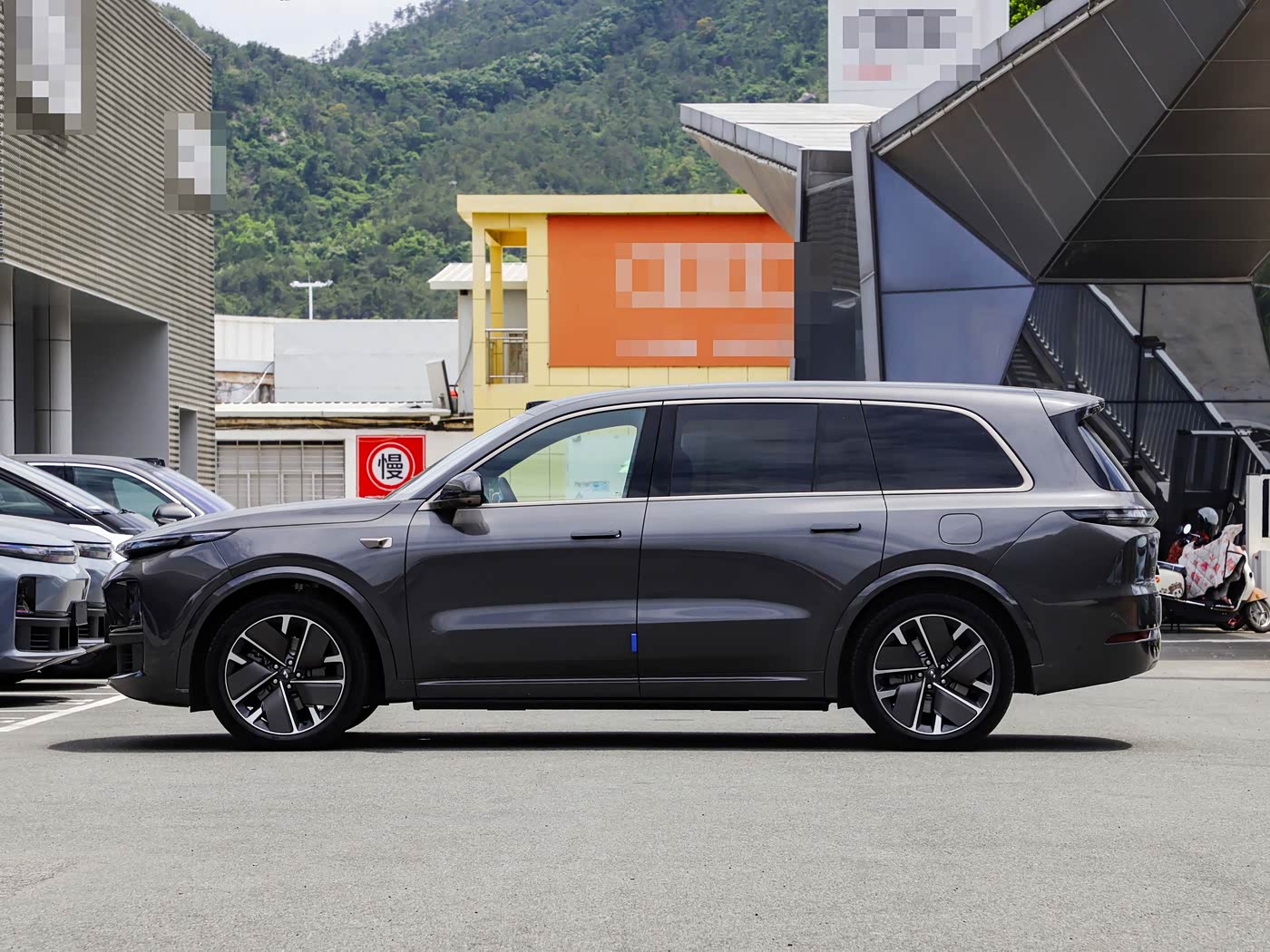
The updated L9 occupies the premium large SUV segment in China’s rapidly expanding new energy vehicle market, where it competes against both traditional luxury brands and emerging domestic players. Pricing for the current L9 starts around 429,800 RMB (approximately $59,280 USD), and the updated model is expected to maintain a similar price positioning when it launches in the second quarter of 2024. This places it squarely against vehicles like the Nio ES8, Xpeng X9, and traditional options such as the BMW X5 plug-in hybrid and Mercedes-Benz GLE variants.
Li Auto’s strategy differs fundamentally from pure battery-electric competitors by eliminating range anxiety through the extended-range architecture. While brands like Nio and Xpeng focus on battery swapping or ultra-fast charging infrastructure to address range concerns, Li Auto’s approach provides unlimited range through conventional refueling while still offering substantial electric-only capability for daily use. This positioning has proven particularly appealing to Chinese families seeking a single vehicle solution without the compromises associated with pure EVs in a country where charging infrastructure varies significantly between tier-one cities and smaller municipalities.
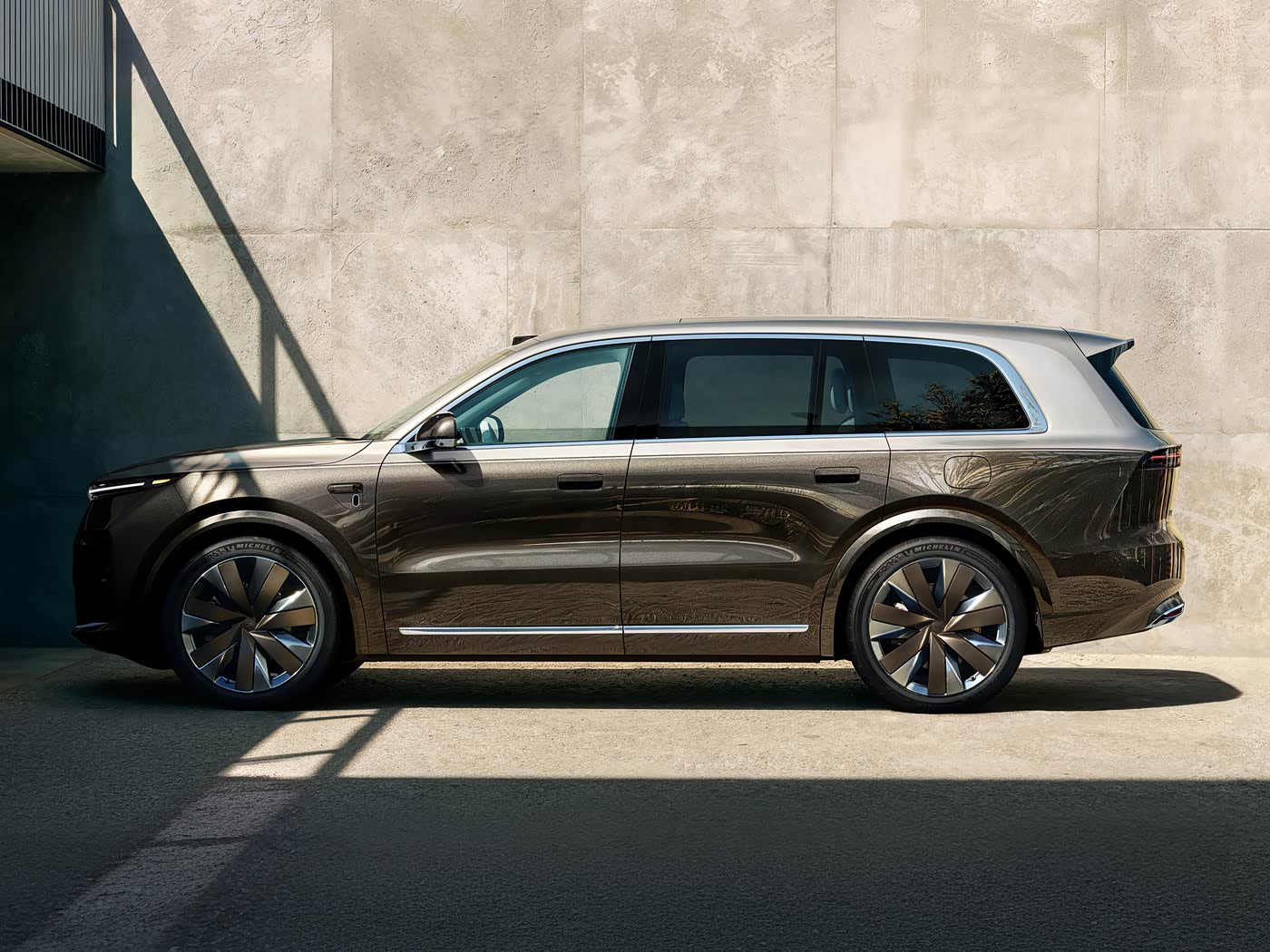
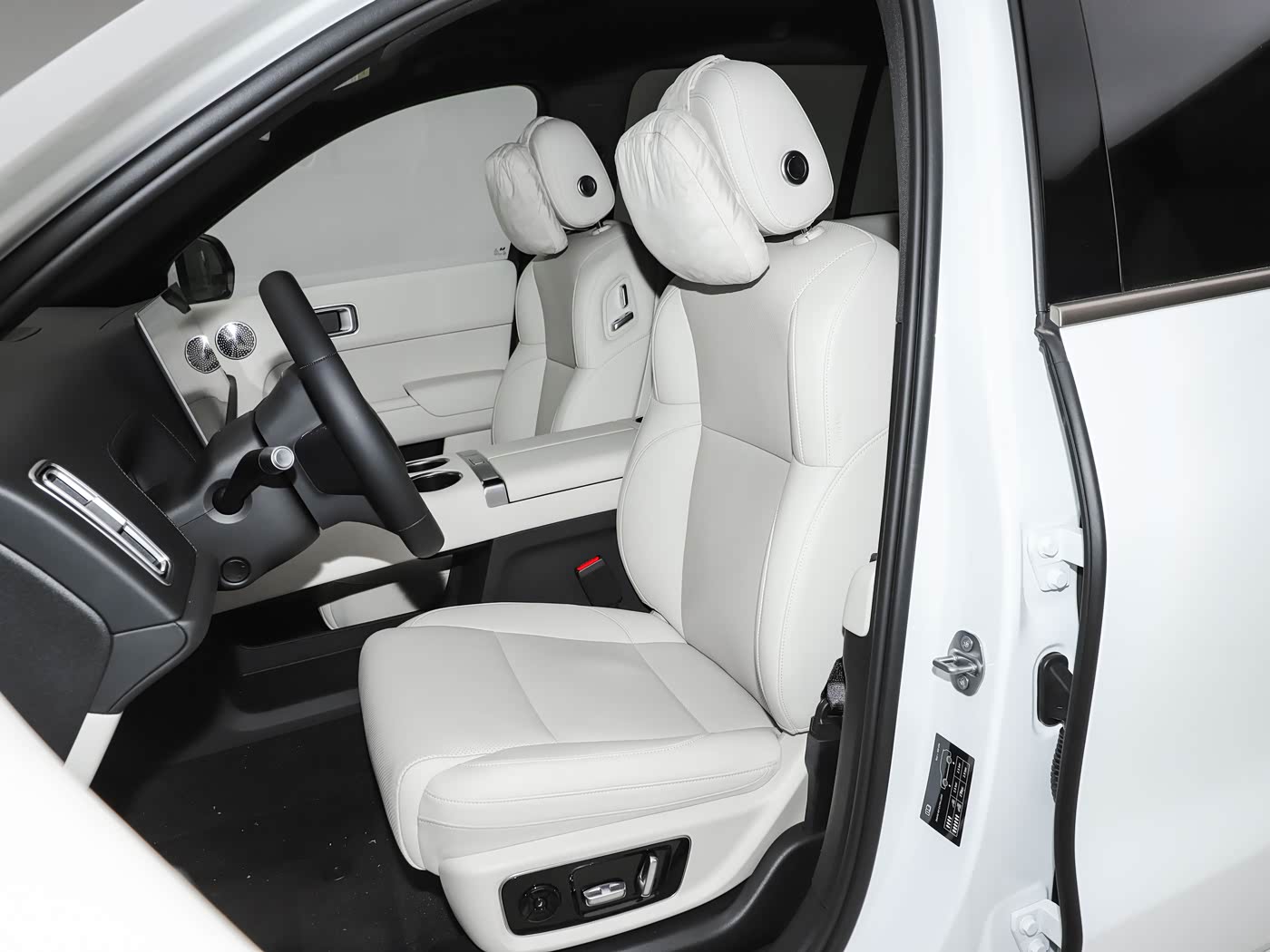
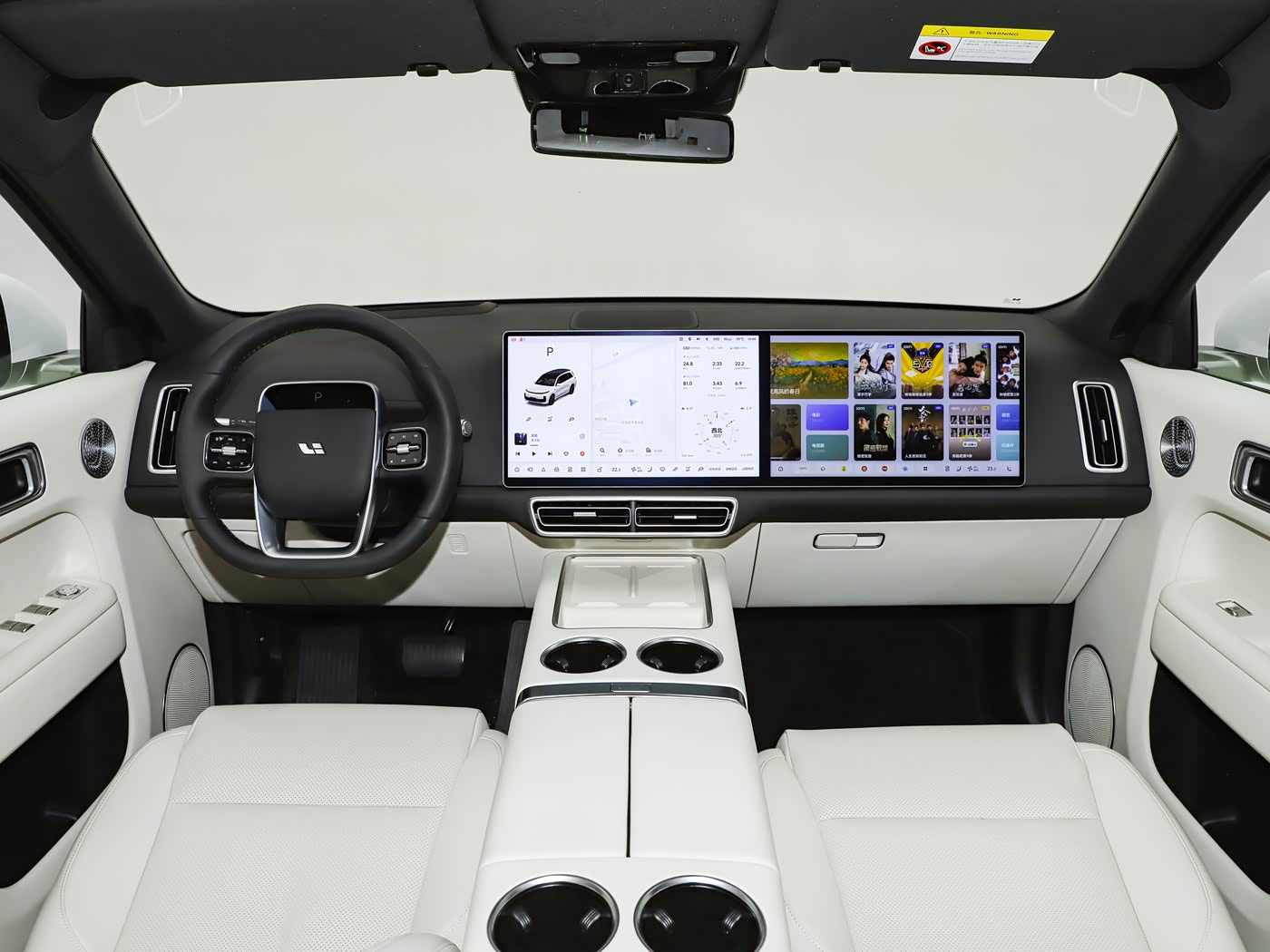
The addition of new exterior colors including the distinctive Titanium Gold finish, along with premium features like the electric tow hook, hidden electric running boards, and 22-inch wheel options, signals Li Auto’s intention to move further upmarket. The L-series family design language ensures strong brand recognition while differentiating from the company’s more affordable models. As Chinese consumers increasingly prioritize technology, space, and versatility in premium vehicles, the L9’s combination of advanced autonomous driving hardware, extended range capability, and luxurious appointments positions it competitively against both imported and domestic rivals.
Should You Buy One?
Prospective buyers should consider the updated L9 if they prioritize versatility, advanced technology, and the elimination of range anxiety while embracing electric driving for daily use. The 340km pure electric range covers most urban and suburban commuting patterns without engaging the range extender, potentially allowing weeks of gasoline-free operation for typical users. When longer journeys arise, the seamless transition to extended-range operation provides the freedom of conventional vehicles without the planning and delays associated with charging stops.
The vehicle’s advanced technology suite represents a significant value proposition, particularly the dual Mach 100 chips and their 2,560 TOPS of computing power. This positions the L9 at the forefront of autonomous driving capability among vehicles currently available in China, potentially enabling advanced features through over-the-air updates as regulations permit. The 800V active suspension and rear-wheel steering should deliver a driving experience that belies the vehicle’s size, making it more manageable in tight urban environments while providing exceptional highway comfort. Industry professionals monitoring how computational power is reshaping automotive capabilities can explore detailed technical analysis at AI Tools & API Access for comprehensive coverage of emerging vehicle technologies.
However, buyers should realistically assess their needs against the vehicle’s positioning. The L9 targets families requiring three-row seating and maximum interior space, making it oversized for those who don’t regularly utilize that capacity. Additionally, while the range-extending architecture provides flexibility, pure electric vehicles offer lower operational costs for those with reliable home charging and predictable driving patterns. The premium pricing also demands consideration-at nearly 430,000 RMB, buyers should evaluate whether the advanced features justify the cost compared to alternatives.
Verdict
The updated Li Auto L9 represents a thoughtful evolution rather than a revolutionary redesign, addressing specific weaknesses while building upon the model’s established strengths. The substantially increased battery capacity and resulting 340km electric range transform the ownership experience, enabling genuine electric-first operation while maintaining the safety net of extended range capability. Combined with cutting-edge computational hardware, advanced chassis systems, and comprehensive sensor arrays, the vehicle positions itself at the technological forefront of China’s premium SUV segment.
Li Auto’s extended-range philosophy continues to resonate with pragmatic Chinese consumers who value versatility and refuse to compromise on capability. As the company refines its powertrain efficiency, expands battery capacity, and integrates increasingly sophisticated autonomous driving features, the L-series platform demonstrates the viability of plug-in range-extended vehicles as more than just a transitional technology. For families seeking a single vehicle solution that delivers electric driving benefits without the constraints, the updated L9 arriving in Q2 2024 deserves serious consideration as one of China’s most technologically advanced and practical premium SUVs.
Compare Recommended Products
| Product | Best For | Fitment | MOQ | Use Case | Action |
|---|
Looking for EV accessories for your market?
Tell us your target market, vehicle model and quantity. We will match suitable products from China.