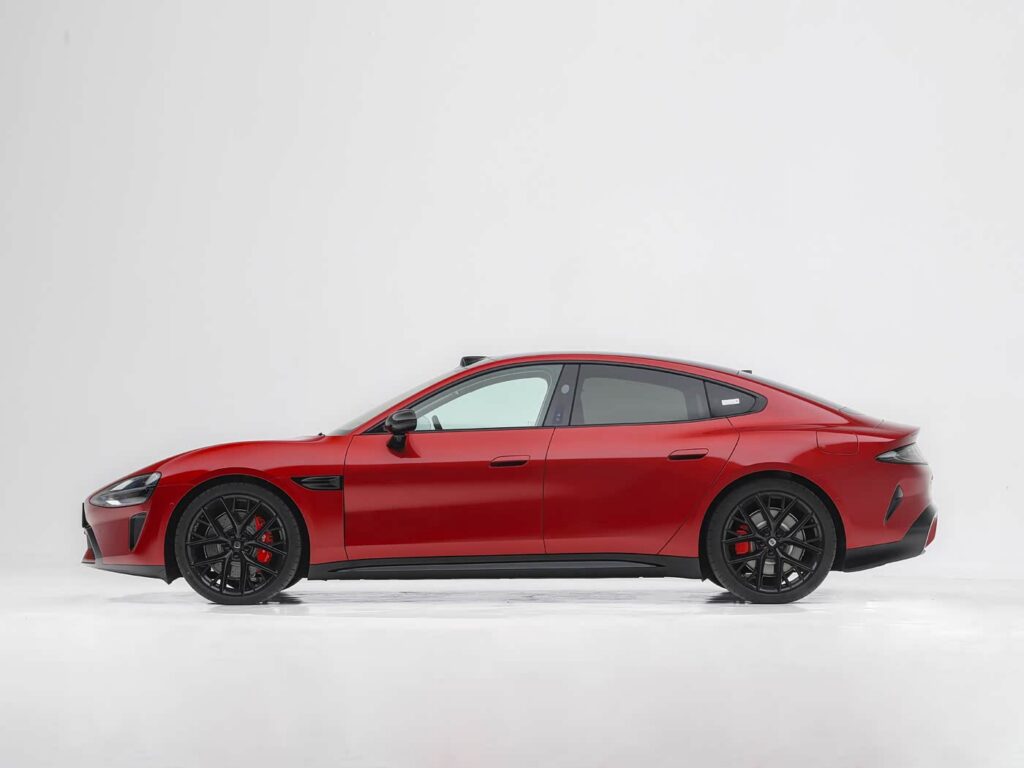
The Chinese EV market has witnessed another impressive launch as Shangjie’s latest offerings, the Z7 sedan and Z7T shooting brake, accumulated 18,000 pre-orders within the first three hours of their pre-sale announcement. This strong initial reception signals robust consumer interest in these Huawei-powered premium electric vehicles that blend advanced autonomous driving capabilities with competitive pricing in the mid-to-large luxury segment.
According to official information, the Shangjie Z7 opens at a pre-sale price of 229,800 RMB ($31,697 USD), while the Z7T shooting brake variant starts at 239,800 RMB ($33,076 USD). These China market prices position both models aggressively against established premium EV competitors. Early adopters can benefit from purchase incentives worth up to 11,000 RMB, including 5,000 RMB in configuration credits and complimentary premium exterior color options (Electric Purple and Evening Mountain Green) valued at 6,000 RMB. For comprehensive analysis of emerging EV technologies and market trends, visit AI Tools & API Access for the latest EV insights.
Key Features & Specs
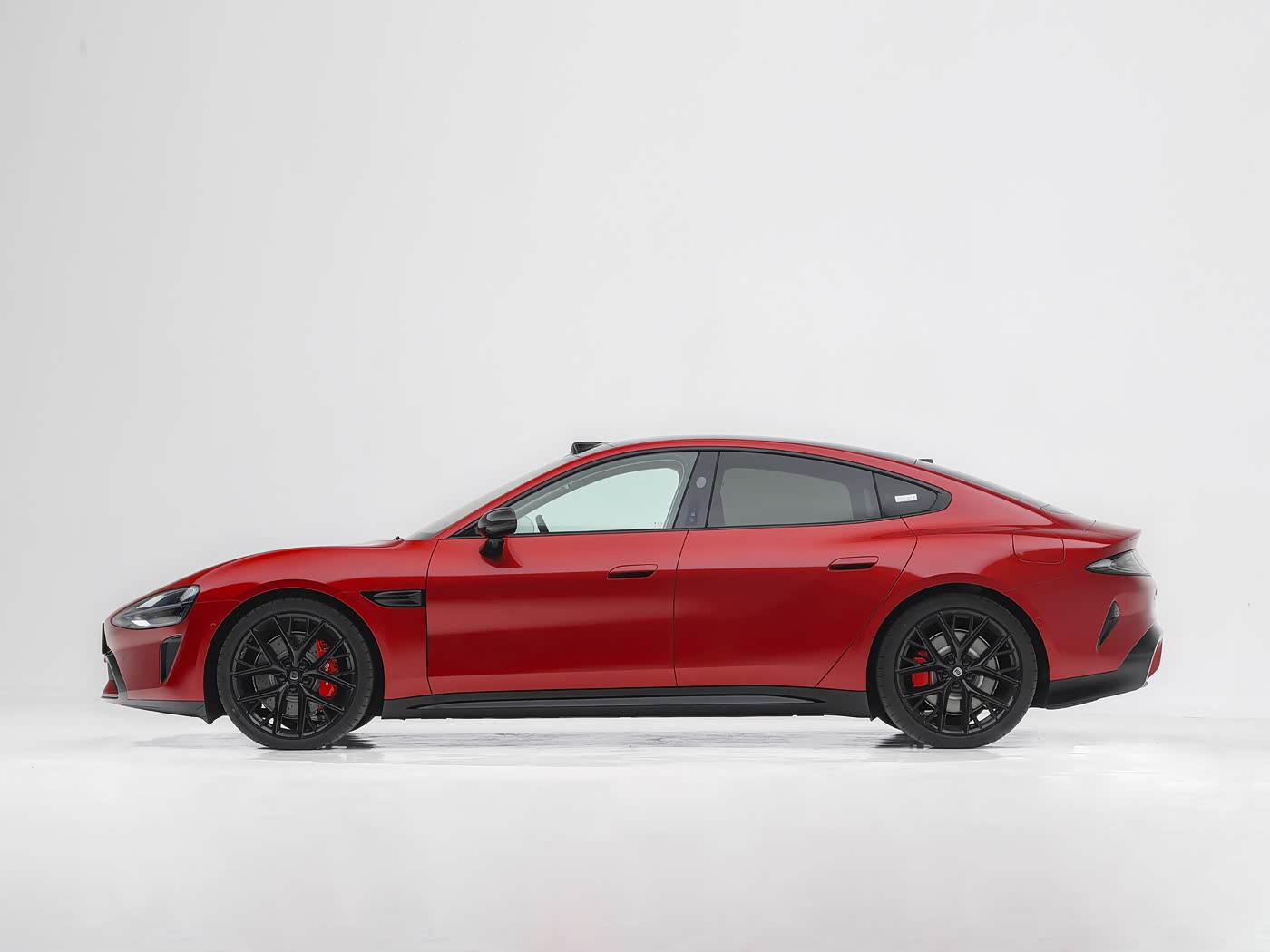
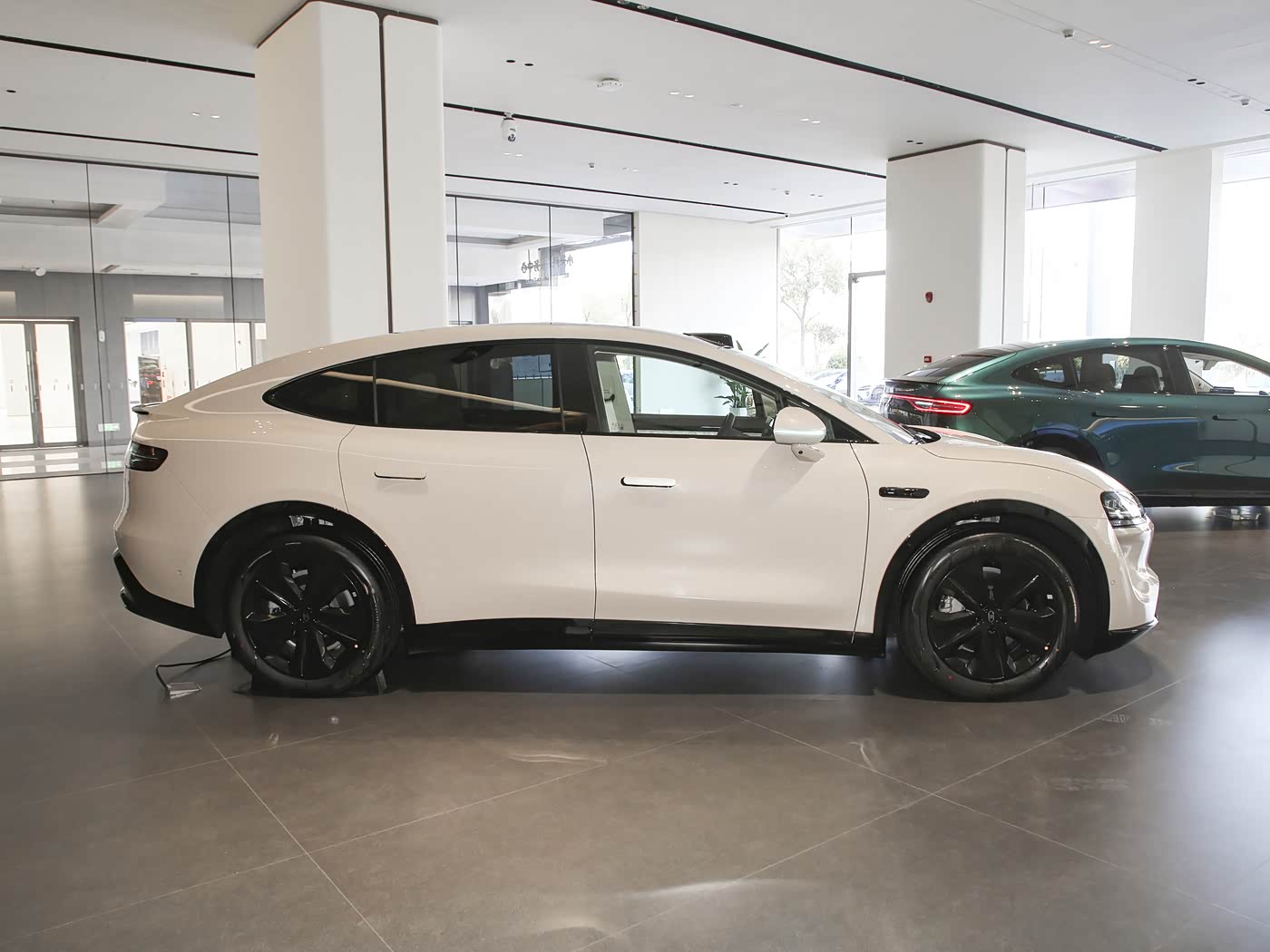
Both the Shangjie Z7 and Z7T share identical dimensions, measuring 5,036mm in length, 1,976mm in width, and 1,465mm in height, with a 3,000mm wheelbase. The Z7 is classified as a mid-to-large sedan, while the Z7T adopts the increasingly popular shooting brake (hunting car) body style. These generous proportions place both vehicles firmly in the premium segment, offering substantial interior space and road presence comparable to executive-class vehicles from traditional luxury brands.
The standout feature across the entire lineup is the comprehensive standard equipment list. Every Shangjie Z7 and Z7T comes equipped with a 896-line LiDAR system, Huawei Qiankun Intelligent Driving ADS 4.1, Huawei Tuling platform, Huawei Whale battery platform, and HarmonyOS Cockpit 5. This universal inclusion of advanced autonomous driving hardware and software eliminates the tiered feature availability that often frustrates premium EV buyers, ensuring all customers access the full technological suite regardless of trim level.
Performance specifications cater to diverse buyer preferences with two powertrain options. The single-motor rear-wheel-drive configuration delivers 359 horsepower (264 kW), while the dual-motor all-wheel-drive variant produces a substantial 590 horsepower (434 kW). Battery options include 81 kWh and 100 kWh CATL ternary lithium battery packs, both integrated into Huawei’s Whale 800V high-voltage architecture. The flagship configuration achieves a CLTC maximum range of 905km (562 miles) and accelerates from 0-100 km/h in just 3.44 seconds, combining long-distance capability with sports car performance.
Market Position & Competition
The Shangjie Z7 and Z7T enter a fiercely competitive segment dominated by established players like the NIO ET7, XPeng P7, Zeekr 001, and increasingly sophisticated offerings from traditional automakers’ EV divisions. However, the aggressive starting price of 229,800 RMB undercuts many competitors while matching or exceeding their technological specifications, particularly in autonomous driving capabilities. The Huawei ADS 4.1 system represents one of the most advanced commercially available driver assistance platforms in China, offering urban navigation-on-pilot functionality that rivals Tesla’s FSD.
The shooting brake Z7T addresses a growing niche within the premium EV market. While traditional sedans and SUVs dominate sales volumes, the shooting brake format combines sedan handling dynamics with enhanced cargo versatility, appealing to lifestyle-oriented buyers who prioritize aesthetics alongside practicality. This body style has gained traction in China’s premium segments, with models like the Zeekr 001 and Avatr 12 demonstrating sustained demand. Shangjie’s entry into this space with comprehensive standard equipment and Huawei’s technological ecosystem could capture buyers seeking differentiation from mainstream sedan and SUV offerings.
The 18,000 pre-orders accumulated in just three hours provide tangible evidence of market validation. This figure exceeds initial reception for several recent EV launches and suggests Shangjie has successfully identified a sweet spot in pricing, features, and brand positioning. The Huawei association carries significant weight with Chinese consumers, particularly regarding intelligent driving and connectivity features, potentially giving Shangjie an advantage over competitors relying on in-house or less proven technological partnerships.
Should You Buy One?
For buyers prioritizing cutting-edge autonomous driving technology and comprehensive standard equipment, the Shangjie Z7 and Z7T present compelling value propositions. The universal inclusion of 896-line LiDAR and Huawei ADS 4.1 across all trim levels eliminates the common frustration of expensive option packages required to access advanced features. Competing vehicles often reserve such capabilities for top-tier variants, adding 50,000-100,000 RMB to transaction prices. Shangjie’s inclusive approach means even base configurations deliver the full technological experience, making the entry price genuinely representative of ownership costs rather than a marketing figure requiring substantial upgrades.
The 905km maximum CLTC range addresses one of the primary concerns among potential EV adopters, though buyers should recognize that real-world range typically falls 20-30% below CLTC figures under mixed driving conditions. Even accounting for this variance, the 100 kWh variant should deliver 630-720km of practical range, sufficient for inter-city travel without charging anxiety. The 800V architecture enables rapid DC charging, with Huawei’s Whale platform supporting up to 600kW peak charging power when connected to compatible ultra-fast chargers, theoretically adding hundreds of kilometers of range in 10-15 minute sessions. Those interested in tracking the latest developments in EV charging infrastructure and battery technology can explore resources at AI Tools & API Access to stay informed about this rapidly evolving landscape.
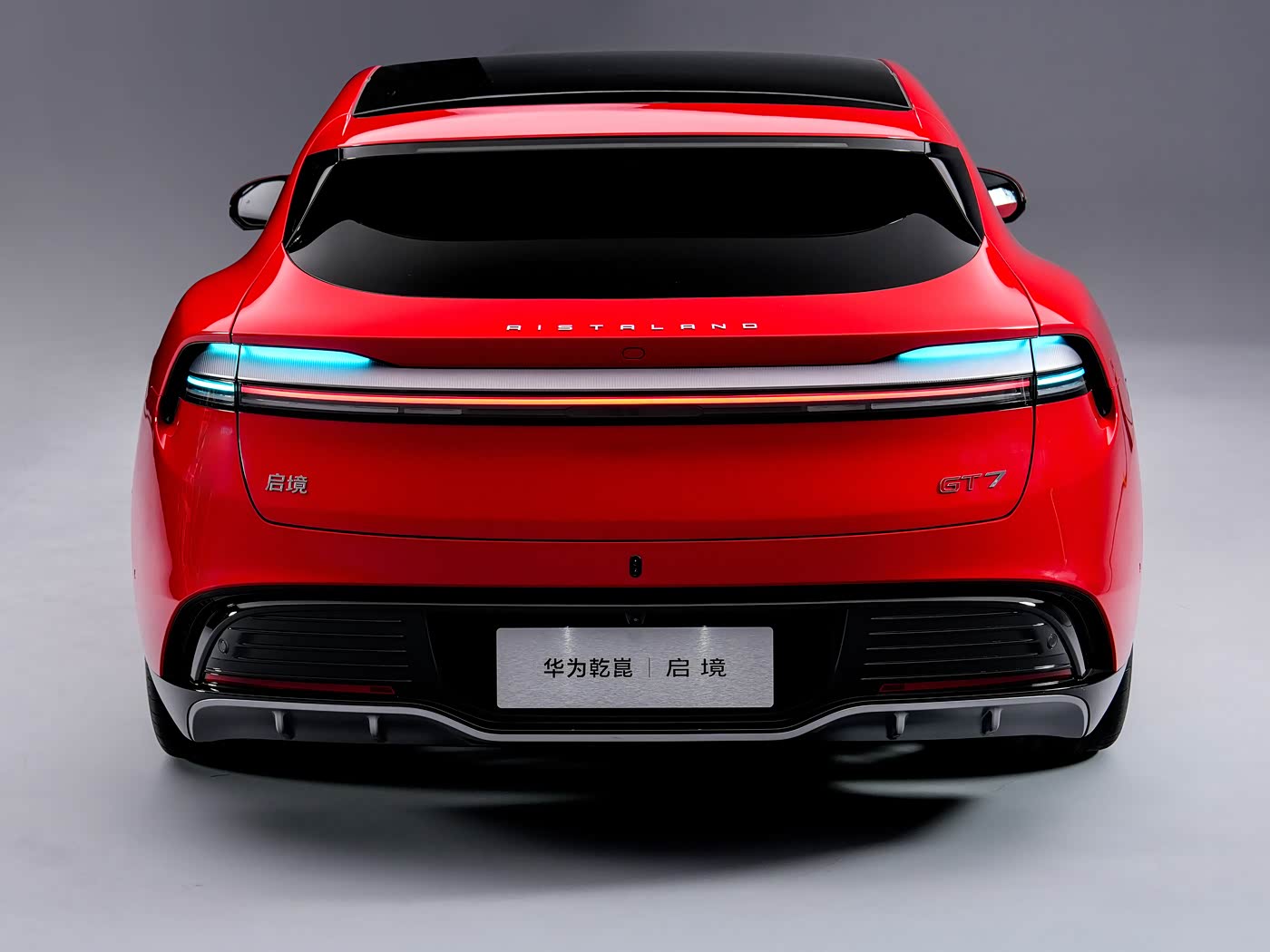
Potential buyers should consider the Z7T shooting brake if cargo versatility matters alongside passenger space. The extended roofline and hatchback configuration provide significantly more flexible cargo accommodation than the conventional Z7 sedan, with minimal aesthetic compromise. The 10,000 RMB premium over the sedan represents reasonable value for this added practicality, particularly for buyers who occasionally require substantial cargo capacity but prefer vehicle proportions more refined than traditional SUVs.
Verdict
The Shangjie Z7 and Z7T arrive at a pivotal moment in China’s premium EV market evolution, when technological sophistication increasingly trumps traditional brand prestige in purchase decisions. The overwhelming pre-order response validates Shangjie’s strategy of leveraging Huawei’s technological ecosystem while maintaining aggressive pricing. These vehicles offer a rare combination of advanced autonomous driving capabilities, long-range performance, and comprehensive standard equipment that previously required significantly higher investment from established premium brands.
The 18,000 pre-orders in three hours demonstrate that Chinese consumers recognize and reward genuine value propositions in the EV segment. As the market matures beyond early adopters, specifications and features increasingly drive purchase decisions over brand heritage. Shangjie’s partnership with Huawei provides the technological credibility to compete against both established EV startups and traditional luxury manufacturers, while their pricing strategy makes premium features accessible to a broader buyer demographic. For those seeking a technology-forward premium EV without the price premium typically associated with such capabilities, the Shangjie Z7 and Z7T warrant serious consideration when they reach full production and delivery phases.
Compare Recommended Products
| Product | Best For | Fitment | MOQ | Use Case | Action |
|---|
Looking for EV accessories for your market?
Tell us your target market, vehicle model and quantity. We will match suitable products from China.