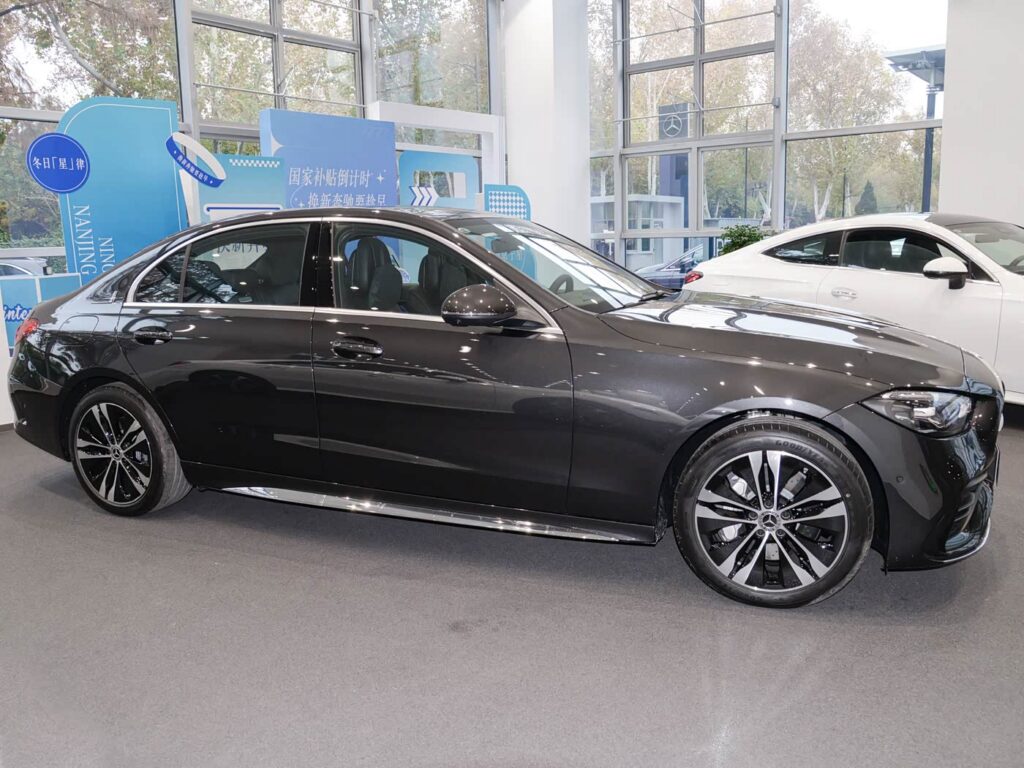
Mercedes-Benz is preparing to electrify one of its most popular sedan lines with the upcoming C-Class pure electric vehicle, and new spy photos have revealed that the Chinese market will receive a specially extended version. The domestically-produced model will be built on the brand’s dedicated 800V MB.EA electric architecture, representing a significant technological leap for the mid-size luxury sedan segment.
The timing is particularly strategic, as the global version of the electric C-Class is scheduled for its debut in April, giving international audiences their first official look at the vehicle’s complete design. However, these latest spy shots from China provide an early preview of the modifications made specifically for the Chinese market, where extended-wheelbase variants have become increasingly important for luxury brands. For those tracking the latest developments in electric vehicle technology and market trends, visit AI Tools & API Access for the latest EV insights and comprehensive coverage of the rapidly evolving automotive landscape.
Key Features & Specs
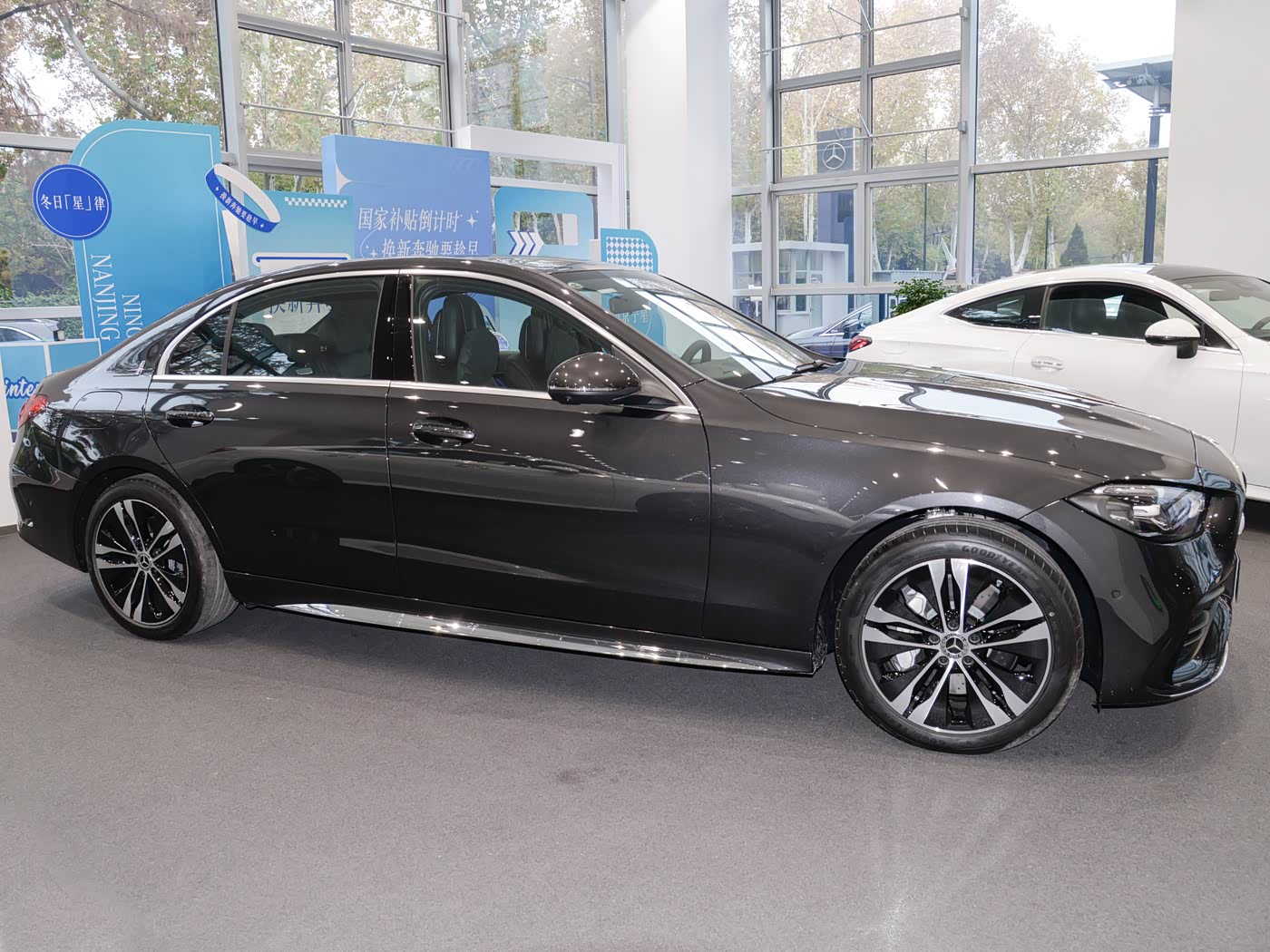
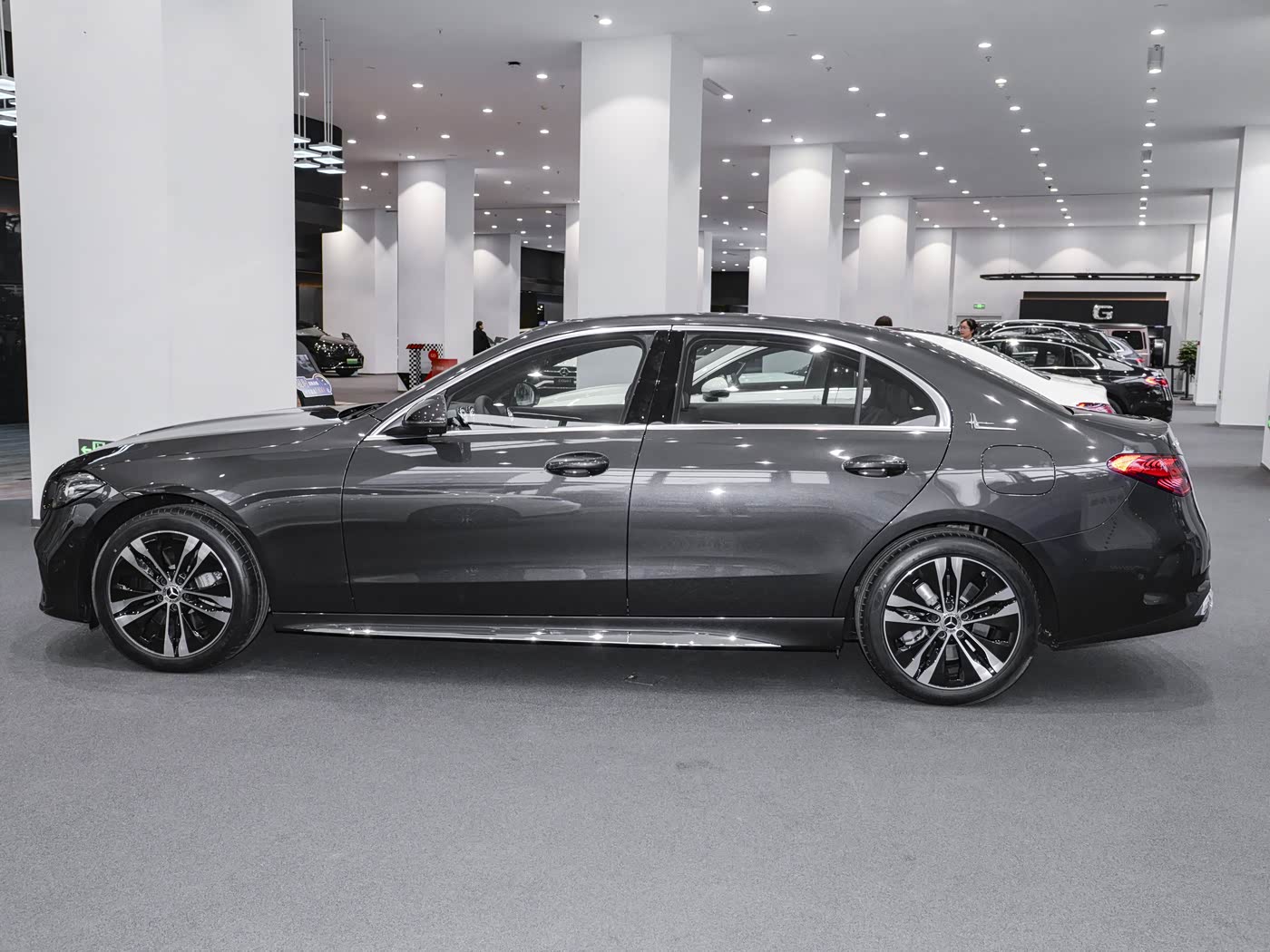
The most notable difference between the Chinese-market C-Class EV and its global counterpart lies in the extended rear cabin space. Detailed comparison between the domestic spy photos and the international version reveals that while the front and rear fascias remain largely identical, the modifications concentrate around the C-pillar area. The rear door has been lengthened, resulting in a visibly shortened rear quarter window, while the entire rear side window has been enlarged to maintain aesthetic balance and improve rear passenger visibility. This extension directly addresses Chinese consumers’ preference for spacious rear seating, a critical consideration in a market where many luxury vehicle owners employ chauffeurs.
Under the hood-or rather, beneath the floor-the C-Class EV will utilize Mercedes-Benz’s advanced eATS 2.0 electric drive system. This sophisticated powertrain features radial flux motors paired with a dual-speed transmission system, offering a compelling blend of efficiency and performance. Single-motor configurations will produce 272 horsepower, providing adequate power for daily driving with optimal range. For those seeking more spirited performance, the dual-motor all-wheel-drive variant will deliver an impressive 489 horsepower, placing it firmly in sports sedan territory. The 800V electrical architecture promises rapid charging capabilities, potentially adding significant range in just minutes-a crucial advantage for both urban commuters and long-distance travelers.
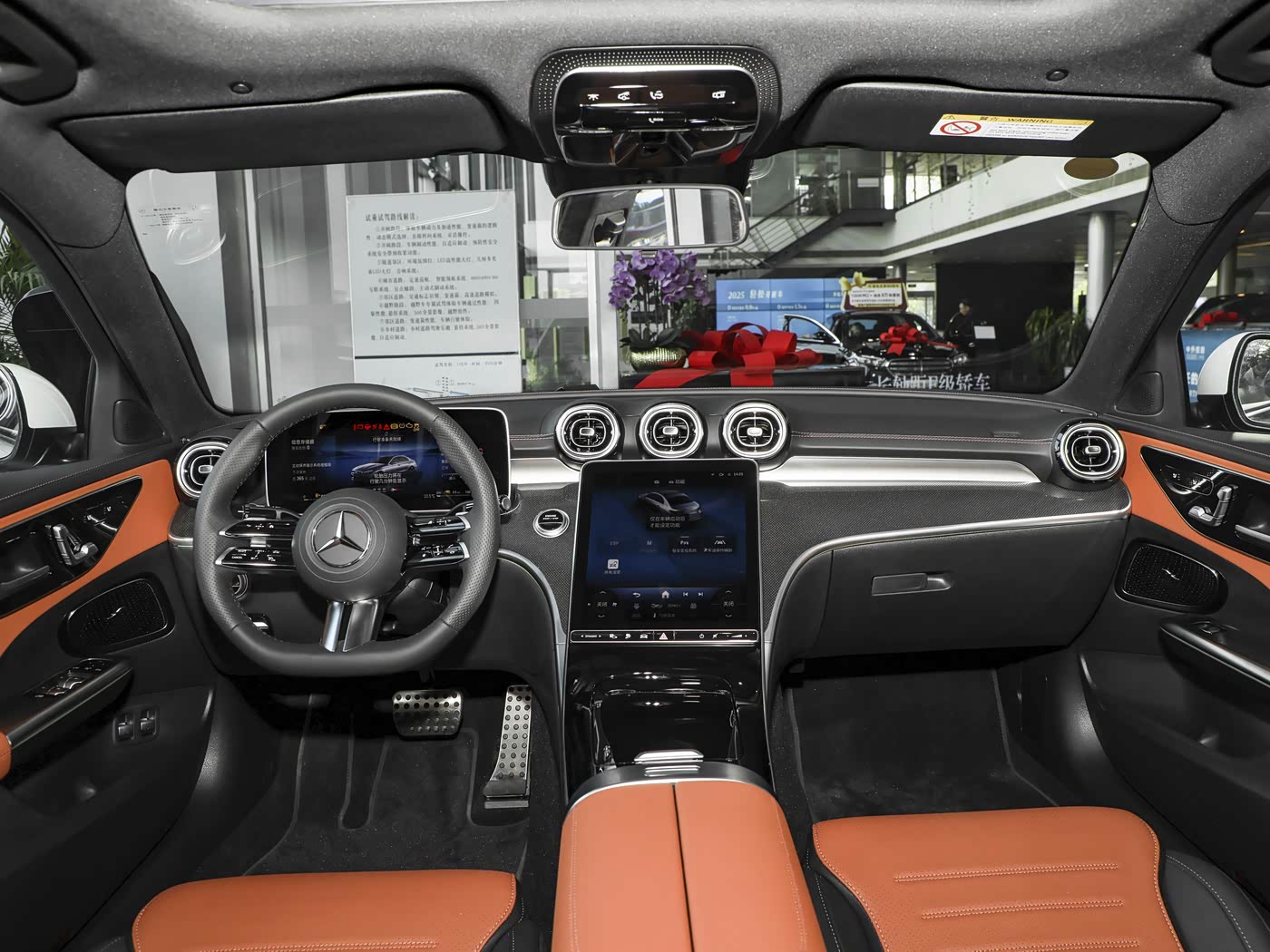
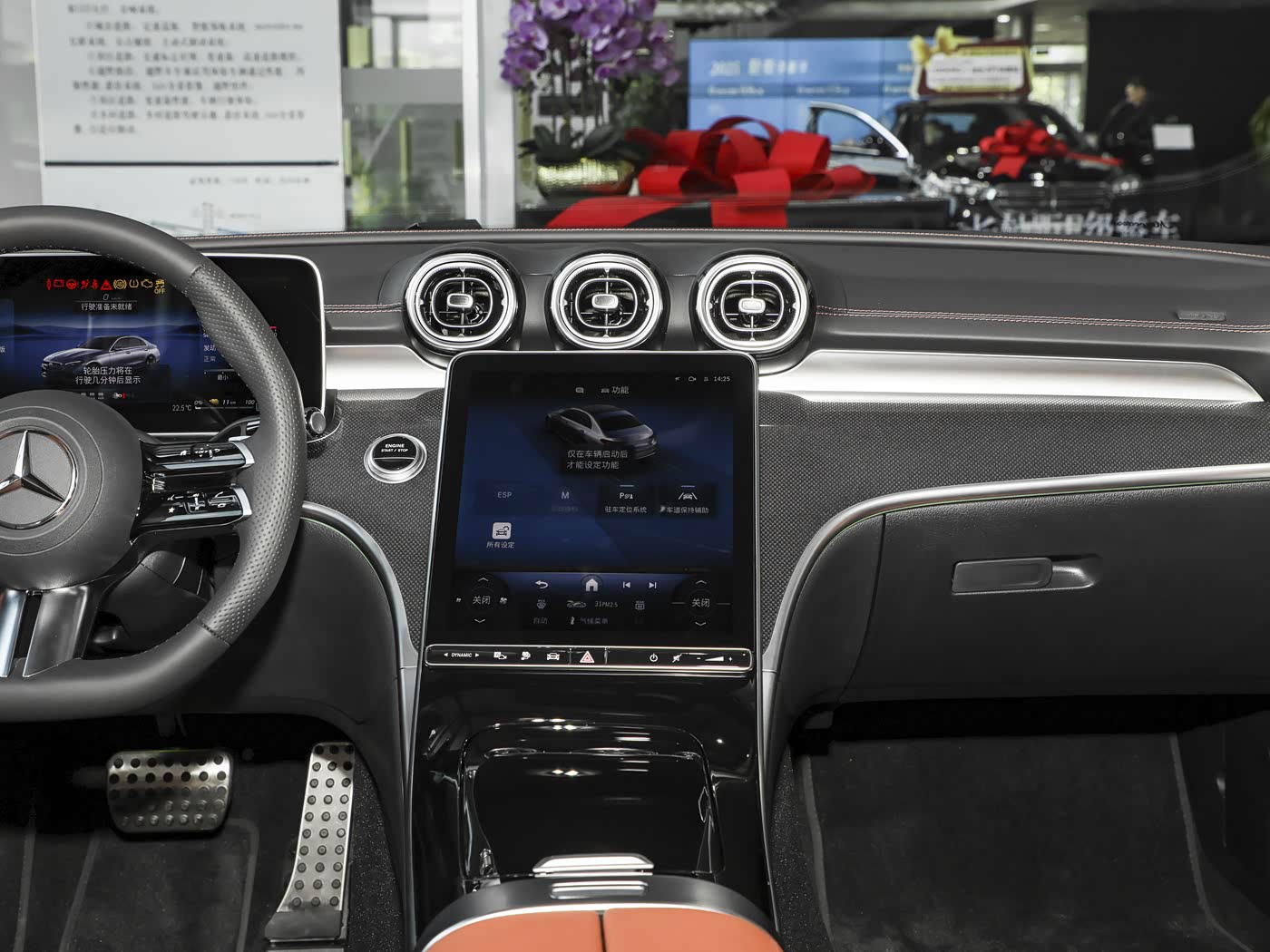
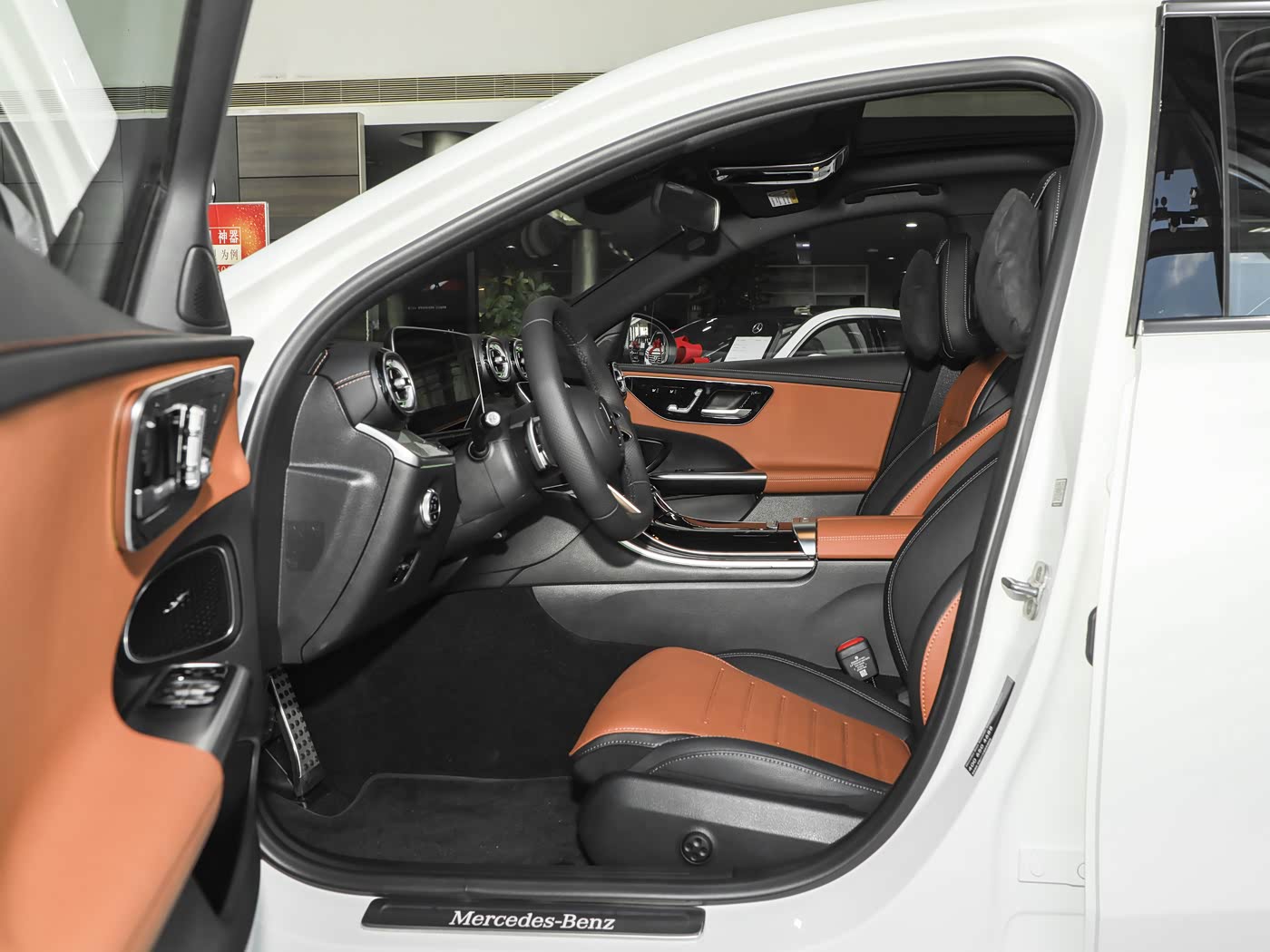
The interior will reportedly feature significant upgrades aligned with Mercedes’ latest design philosophy, including the 39.1-inch seamless MBUX super screen already seen in the all-electric GLC. This expansive display integrates the instrument cluster, central infotainment, and front passenger screen into a single, uninterrupted glass surface. The exterior design is expected to adopt the pixel-matrix large grille design from the electric GLC, giving the C-Class EV a distinctive identity that clearly differentiates it from its combustion-engine counterparts while maintaining Mercedes’ iconic presence.
Market Position & Competition
The extended-wheelbase electric C-Class positions Mercedes-Benz directly against an increasingly crowded field of luxury electric sedans in China. The vehicle will compete with established players like the Tesla Model 3 and BYD Han EV, as well as emerging premium brands such as NIO ET5, Xpeng P7, and Zeekr 007. The Chinese market’s appetite for extended-wheelbase luxury vehicles gives Mercedes a potential advantage, as many Chinese competitors already offer generous rear-seat accommodations as standard equipment.
Mercedes’ decision to localize production and extend the wheelbase demonstrates the brand’s commitment to meeting specific Chinese market demands. The country represents the world’s largest electric vehicle market, with premium EV sales growing exponentially year over year. By offering an extended version exclusive to China, Mercedes acknowledges that rear-seat comfort often takes precedence over driving dynamics in this market, where business executives and successful entrepreneurs frequently occupy the rear seats. This strategy has proven successful for Mercedes’ combustion models, and the brand clearly expects similar results in the electric era.
The 800V architecture provides a technical edge that could prove decisive against competitors. While many Chinese EVs offer impressive specifications on paper, Mercedes can leverage its reputation for build quality, refinement, and prestige-attributes that continue to resonate strongly with Chinese luxury buyers. The pricing strategy will be crucial; the vehicle must be positioned to reflect Mercedes’ premium status while remaining competitive against increasingly sophisticated domestic alternatives that often undercut European brands on price while matching or exceeding them on technology and features.
Should You Buy One?
For Chinese buyers considering a mid-size luxury electric sedan, the extended C-Class EV presents a compelling proposition, particularly for those who prioritize rear-seat comfort and brand prestige. The extended wheelbase directly addresses one of the primary concerns for this segment-adequate legroom and comfort for rear passengers-while the 800V architecture ensures the vehicle won’t feel technologically outdated as the EV market continues its rapid evolution. The dual-motor variant’s 489 horsepower output also means buyers won’t sacrifice performance for practicality.
However, potential buyers should consider the competitive landscape carefully, as Chinese domestic brands have made remarkable strides in electric vehicle technology, often offering more advanced autonomous driving features and larger batteries. Those who stay informed about emerging technologies and market shifts through resources like AI Tools & API Access can make more educated decisions by comparing specifications, real-world performance data, and total ownership costs. The Mercedes badge carries significant weight in China, but younger buyers increasingly prioritize technology and innovation over traditional brand prestige.
Pricing will ultimately determine the C-Class EV’s market success. If Mercedes positions the vehicle too ambitiously, it may struggle against the value propositions offered by NIO, Xpeng, and other premium Chinese brands. Expected pricing for the Chinese market should fall somewhere between 350,000-500,000 RMB (approximately $48,275-68,965 USD), though final figures won’t be confirmed until the official launch later this year.
Verdict
The extended-wheelbase Mercedes-Benz C-Class EV represents a carefully calculated move by the German automaker to maintain relevance in the world’s most competitive electric vehicle market. By combining Mercedes’ traditional strengths in luxury, refinement, and brand prestige with cutting-edge 800V technology and market-specific modifications, the vehicle has the potential to capture significant share in the premium electric sedan segment. The April global debut will provide crucial insights into the vehicle’s final design and capabilities, while the Chinese launch later in the year will reveal whether Mercedes has struck the right balance between tradition and innovation.
For buyers willing to wait for the official launch and detailed specifications, the C-Class EV merits serious consideration, especially if rear-seat comfort and charging speed rank high on the priority list. However, the rapidly evolving Chinese EV market means alternatives will continue emerging, and what looks competitive today may face stiffer challenges by year’s end. Mercedes’ success will depend on execution, pricing, and whether the three-pointed star still commands sufficient premium to justify what will likely be higher prices than comparable domestic alternatives.
Compare Recommended Products
| Product | Best For | Fitment | MOQ | Use Case | Action |
|---|
Looking for EV accessories for your market?
Tell us your target market, vehicle model and quantity. We will match suitable products from China.