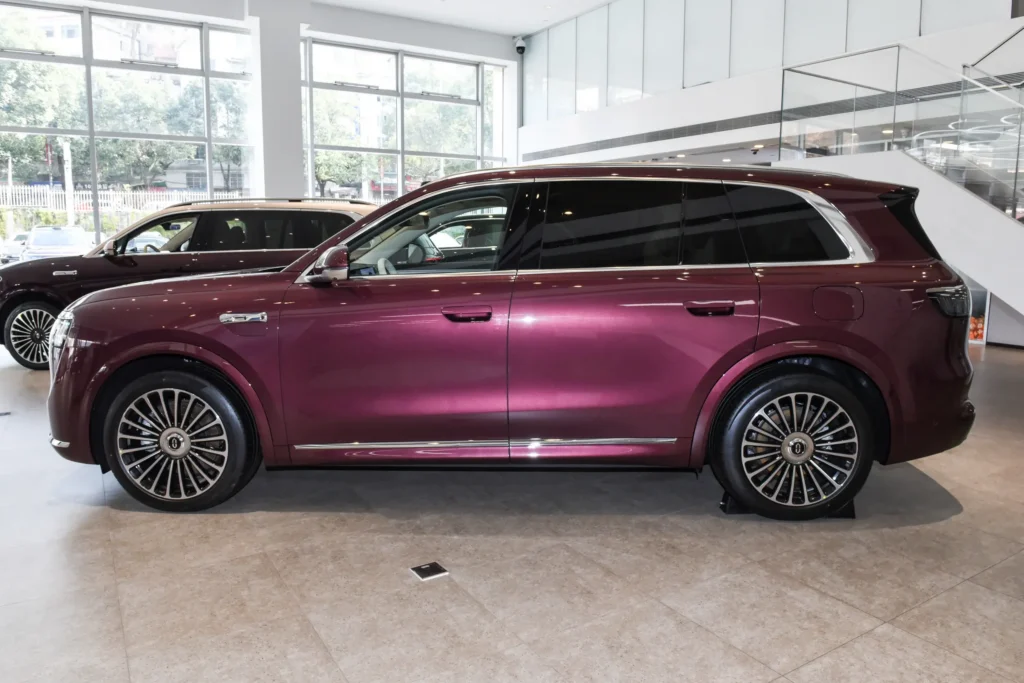
The AITO M8 has achieved a significant milestone with cumulative deliveries surpassing 160,000 units, establishing itself as a formidable player in China’s premium family SUV segment. For modern consumers, an excellent vehicle transcends mere transportation-it represents a “mobile living space” that carries laughter and extends happiness, ensuring every family member feels comfortable and cared for. As a family-focused intelligent flagship SUV, the M8 has earned its reputation as a top performer in its class through comprehensive capabilities spanning space, intelligence, range, and safety.
We recently traveled to the mountain city of Chongqing to test drive the refreshed AITO M8 and evaluate whether its new upgrades can continue satisfying consumers’ substantial automotive demands. The vehicle’s proven track record combined with meaningful technological enhancements positions it as a compelling option for those seeking cutting-edge electric vehicle technology, and readers can visit AI Tools & API Access for the latest EV insights and comparative analysis.
Key Features & Specs
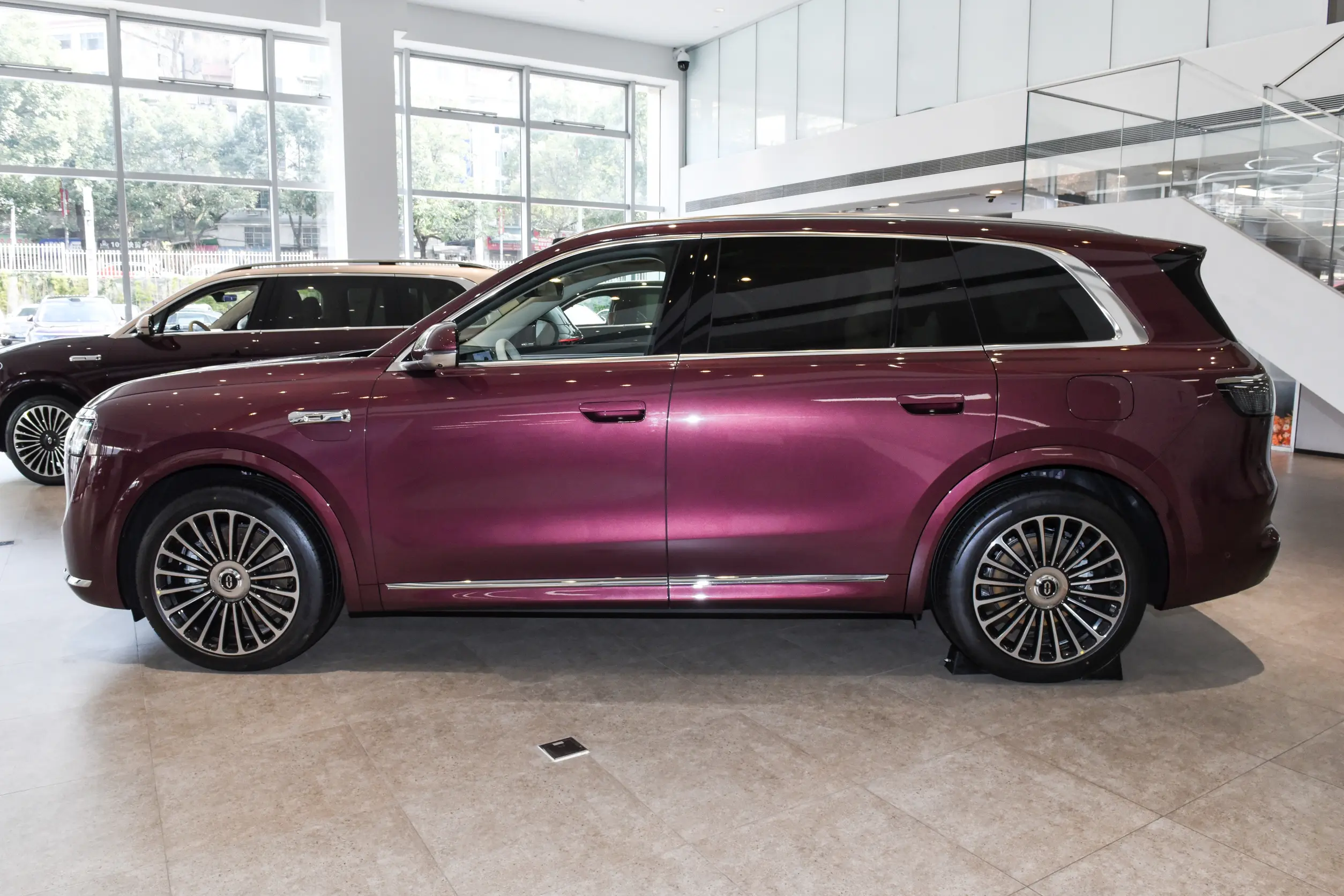
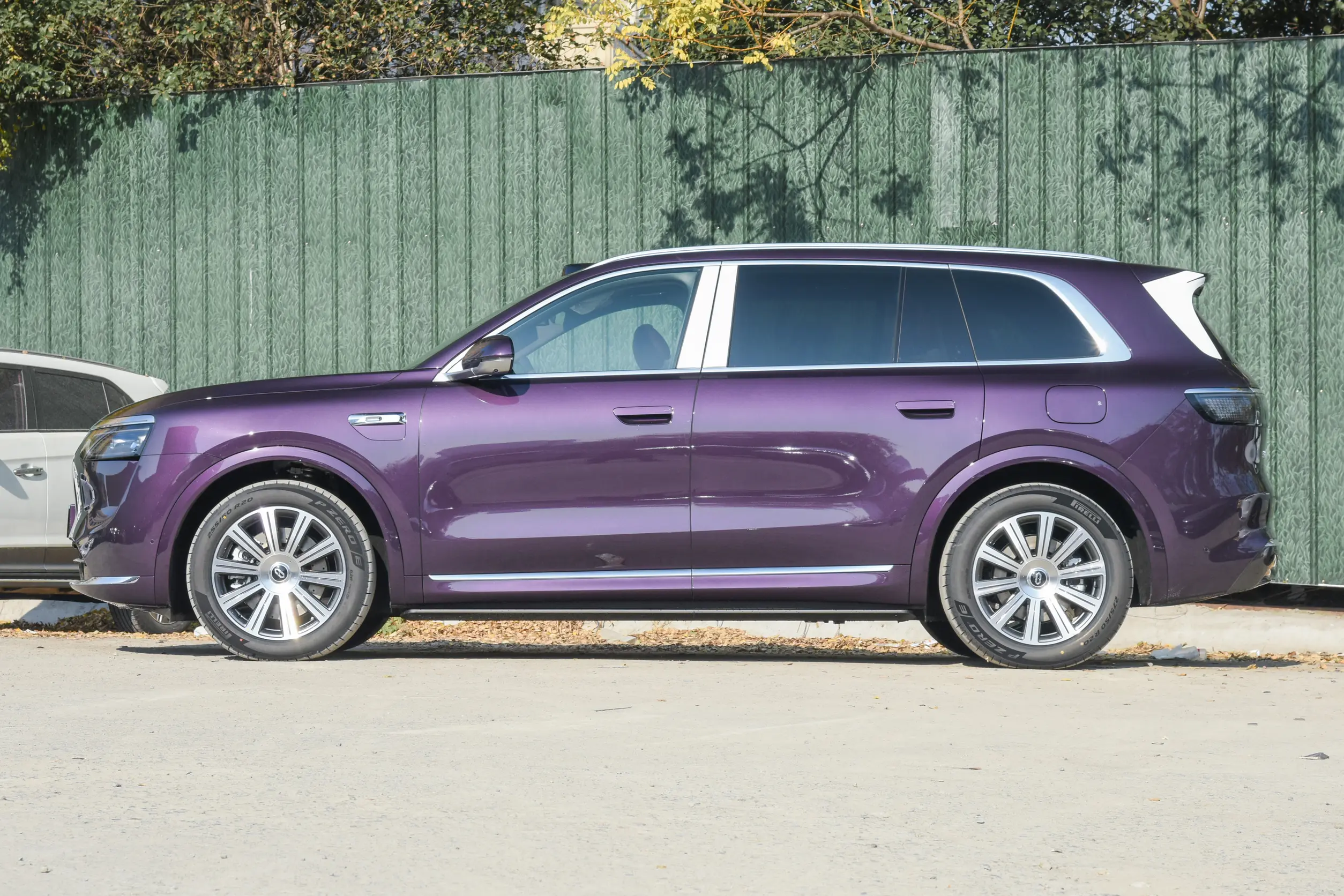
The updated M8 maintains visual consistency with its predecessor while introducing new Azure Blue and Crimson Red paint options-the former delivering a younger, sportier aesthetic while the latter projects stability and sophistication. The exterior continues the brand’s “Kunpeng Leaping” family design language, offering a more fashionable appeal compared to the more mature M9, specifically targeting younger consumers. Measuring 5,190mm long, 1,999mm wide, and 1,795mm tall with a 3,105mm wheelbase, the M8 offers both five-seat and six-seat configurations. The six-seat version features standard zero-gravity seats in the second row, generous third-row headroom, and a completely flat floor structure maximizing interior space efficiency for daily school runs and long-distance family trips. The vehicle achieves an impressive 0.259 drag coefficient, effectively reducing energy consumption during highway driving.
Notable hardware upgrades include an enhanced 896-line LiDAR system plus high-precision solid-state LiDAR sensors on both sides, delivering longitudinal and lateral detection precision of ≤3cm. This precision enables accurate identification of low curbs and side pillars when exiting parking spaces, effectively mitigating side collision risks. The refresh also incorporates six external microphones with high-precision sound source identification and directional audio capture capabilities, accurately identifying emergency vehicle siren directions and enabling the assisted driving system to automatically yield. These microphones support exterior voice interaction and clear communication through windows, addressing emergency identification and contactless communication needs. The new 21-inch Shadow Effect wheels in a blacked-out style inject strong visual impact and sporty genes while reinforcing the vehicle’s dynamic stance and premium luxury presence. The Intelligent Semantic Display (ISD) matrix taillights enable intelligent vehicle-to-vehicle and vehicle-to-pedestrian communication, with blue indicator lights on side mirrors automatically illuminating when assisted driving engages.
Market Position & Competition
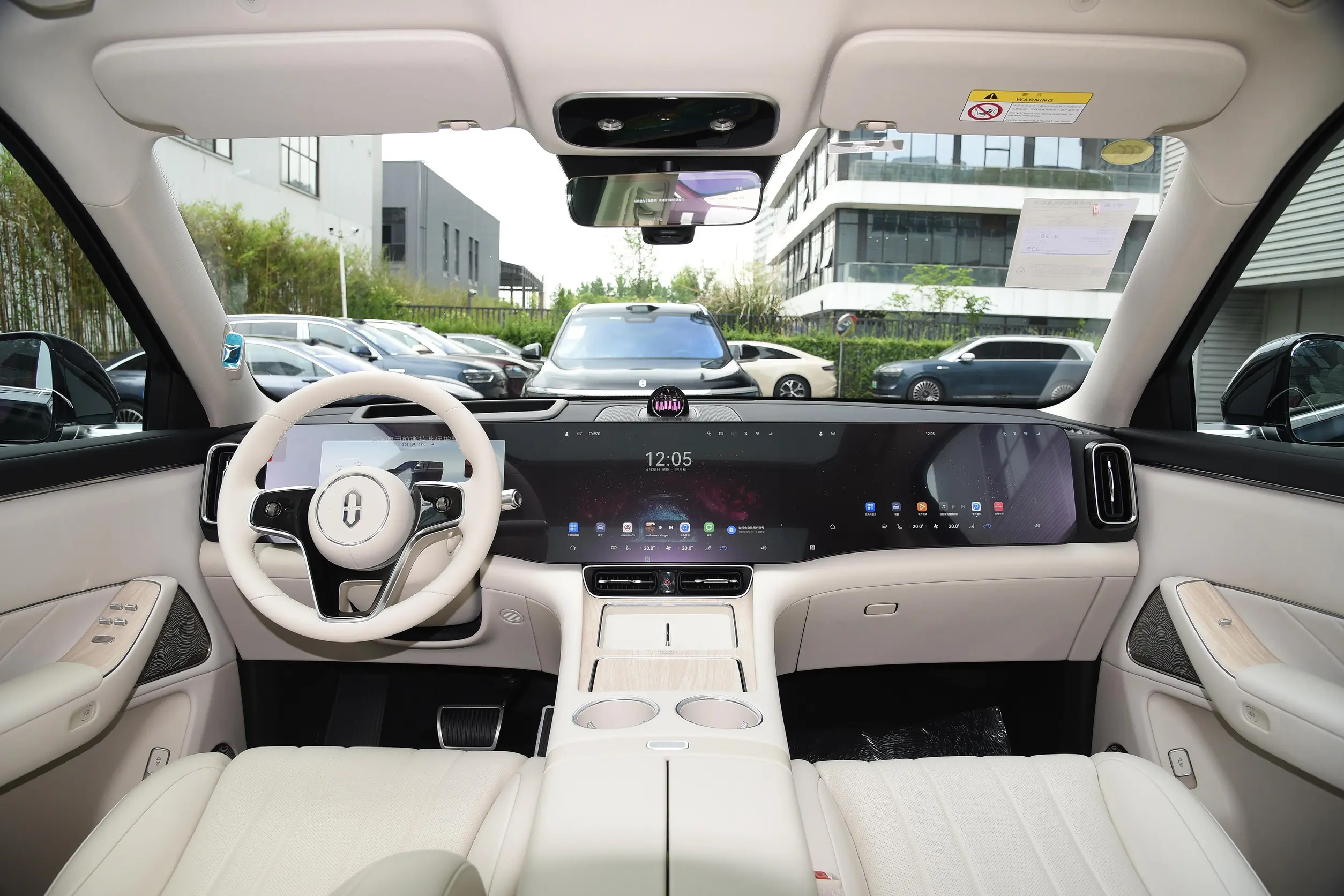
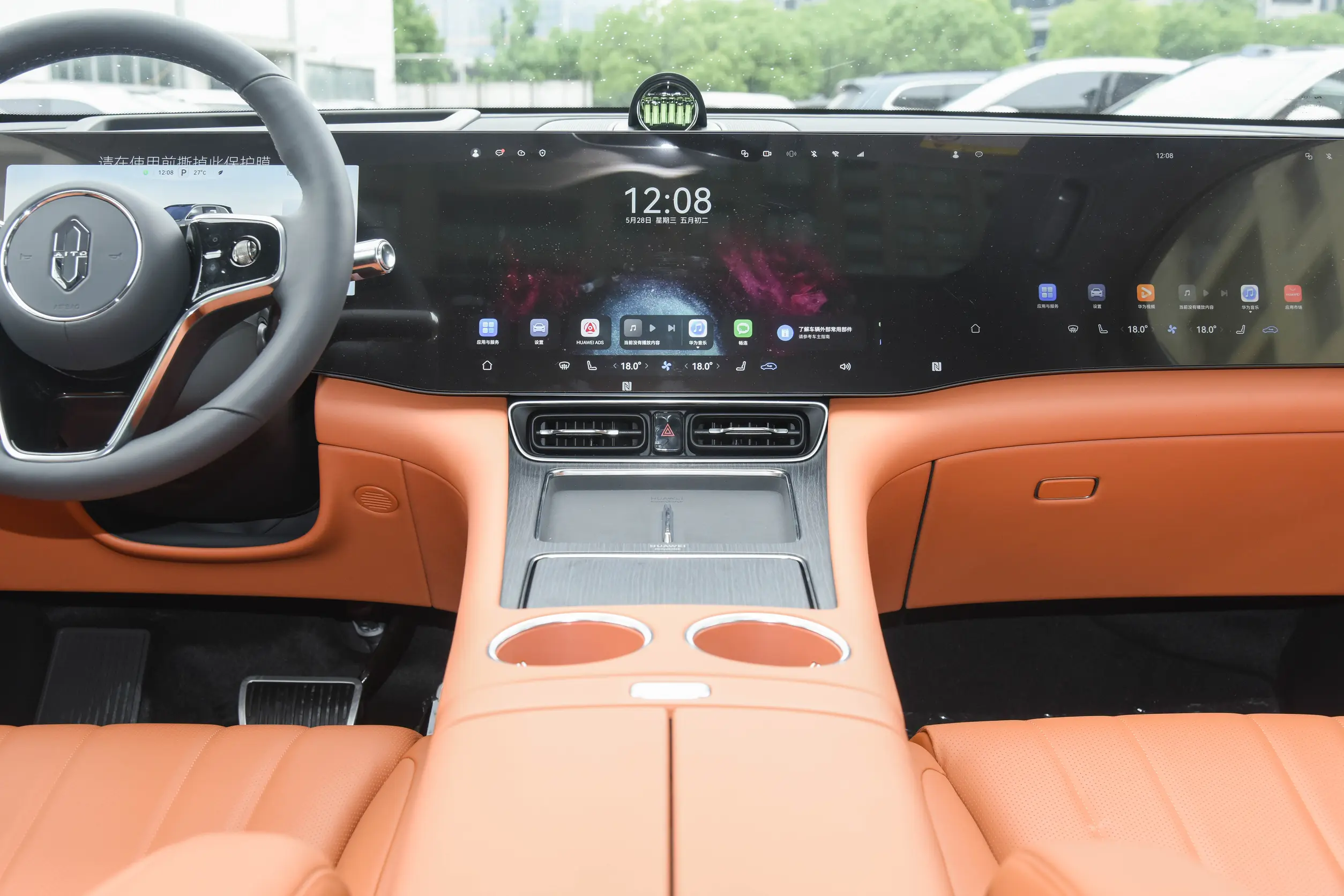
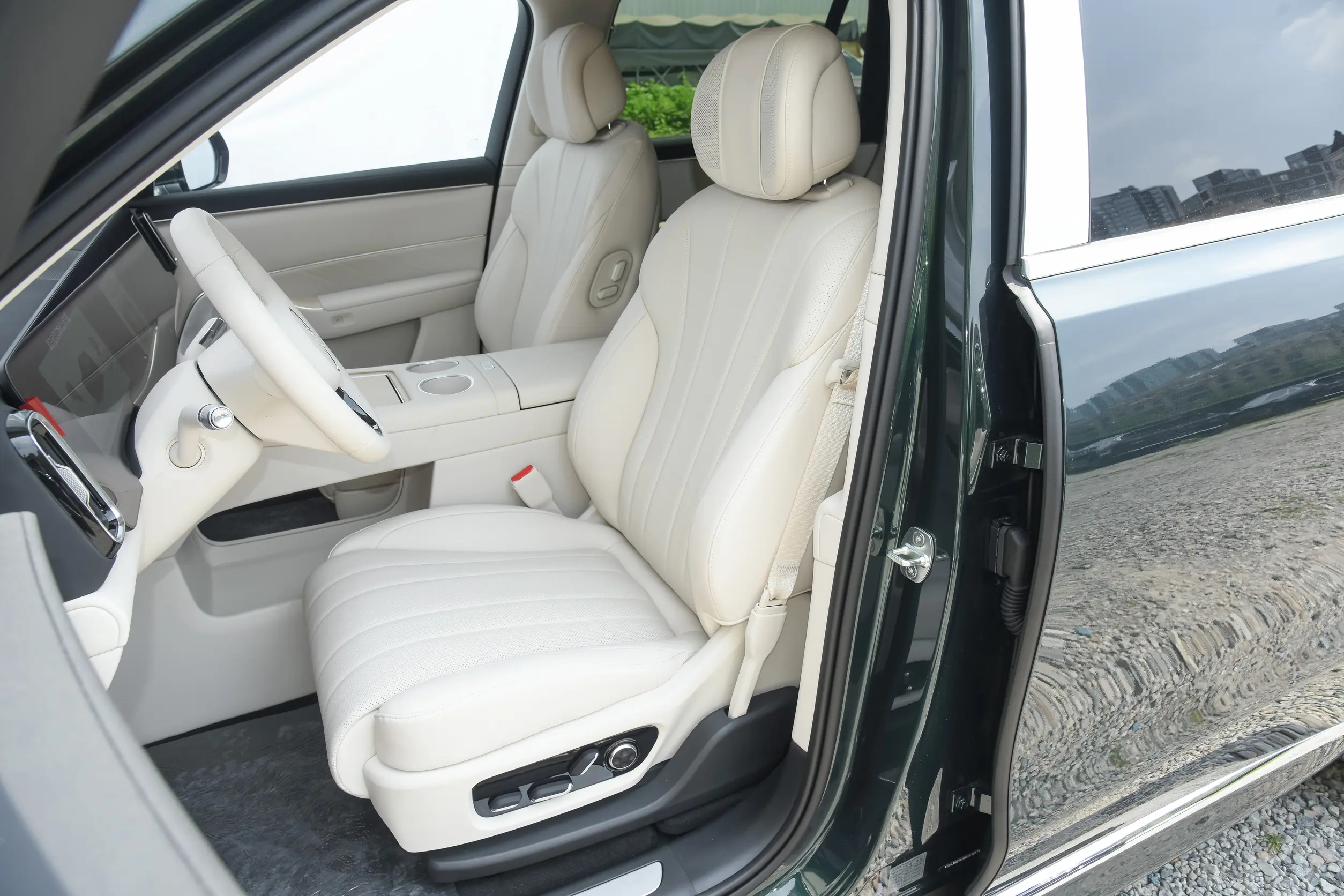
Positioned in the competitive 40万 RMB ($55,000 USD at China market prices) SUV segment, the AITO M8 distinguishes itself through comprehensive capability rather than singular strengths. The interior maintains consistency with the previous model while incorporating subtle material upgrades. The dual-embracing cockpit design combines symmetrical aesthetics with premium materials and distinctive craftsmanship, creating a technologically luxurious atmosphere. The flat floor design provides effective interior length of 3,510mm with a 67.6% space utilization ratio-considered excellent in its class and particularly suitable for multi-child families. Seat cushion filling has been upgraded to better support long-distance driving, providing improved lumbar support and eliminating the fatigued feeling during extended journeys.
The six-seat configuration offers 935mm front row space, 900mm second row space, 840mm third row space, and 573mm trunk depth, with a 180mm completely flat second-row aisle exceeding most MPVs. Combined knee space for second and third rows totals 130mm, with third-row seating height at 332mm, ensuring comfortable family travel. The six-seat version provides transformable 3, 4, 5, and 6-seat modes, delivering revolutionary space experience with freely combinable interior configurations perfectly matching diverse usage scenarios. This versatility directly challenges established competitors from both traditional automakers and emerging electric vehicle manufacturers in the premium family vehicle segment.
Should You Buy One?
The powertrain specifications make a compelling case for consideration. The test vehicle featured the range-extender version utilizing an industry-leading intelligent range extension system with 44.8% mass production thermal efficiency and depleted-battery fuel consumption of just 6.6L/100km, with reliable cold-start capability down to -40°C. The 53.4kWh ternary lithium battery pack delivers 310km CLTC pure electric range, with combined full-tank-full-battery CLTC range reaching 1,526km, enabling ultra-long cross-provincial travel. The system intelligently controls range extender start-stop and power generation based on vehicle speed, gradient, and numerous other factors, optimizing fuel consumption, noise, and power delivery for superior driving experience. For those evaluating comprehensive family EV solutions including technological integration, exploring resources at AI Tools & API Access provides valuable context for making informed purchasing decisions.
Performance figures impress with the high-performance dual-motor drive system featuring front asynchronous and rear synchronous architecture-front motor output of 165kW and rear motor output of 227kW paired with the 53.4kWh battery achieving 0-100km/h acceleration in just 5.2 seconds. With the 37kWh battery, acceleration reaches 5.3 seconds, while 100-0km/h braking distance measures 34.5 meters and moose test performance hits 76.9km/h. The M8 employs front double-wishbone and rear five-link independent suspension with standard dual-chamber closed air suspension and variable damping shock absorbers across all trims. Leveraging Huawei ADS omnidirectional fusion perception capability combined with Huawei DATS (Dynamic Adaptive Torque System), it delivers more stable and comfortable handling experience.
The Huawei Qiankun Intelligent Driving ADS 4.1 system represents a substantial upgrade over version 4.0, reducing end-to-end latency by 30%, improving traffic efficiency by 20%, and decreasing hard braking incidents by 50%. The system provides enhanced intersection confidence through early identification of blind spot risks and proactive speed reduction avoiding sudden braking and jerking. Highway on-ramp and off-ramp merging efficiency improves through enhanced traffic prediction capabilities, while expanded scenario coverage includes rural narrow roads and mountain paths with one-touch NCA (Navigation Cruise Assist) activation. Automated parking functionality receives meaningful enhancement with risk warning for suddenly opening adjacent vehicle doors-the system stops when detecting opening doors, then resumes parking after closure with smooth, fluid operation particularly friendly for novice drivers.
Verdict
During our Chongqing test drive through mountainous terrain with varied elevation changes and complex road conditions, the Huawei-powered intelligent driving system demonstrated impressive capability, essentially making driving challenges disappear. Particularly noteworthy was the system’s behavior at roundabouts, where it gently braked, observed surrounding traffic, and made precise autonomous judgments. The comprehensive AEB (Automatic Emergency Braking) system operates across 4-150km/h, actively identifying stationary pedestrians, dynamic pedestrians, reverse-direction pedestrians, diagonal-crossing pedestrians, stationary vehicles, and moving vehicles within the lane, while additionally recognizing oncoming two-wheeled vehicles and other objects to prevent distraction-related incidents. The advanced blowout stability system leverages Huawei’s Tuling platform full-domain coordinated control capability to rapidly and precisely identify tire blowout conditions, intelligently coordinating motor, suspension, and steering systems to effectively suppress vehicle deviation and maintain original trajectory, ensuring occupant safety with stable vehicle stopping.
The AITO M8 consistently revolves around one core principle: providing families with comprehensive, shortcoming-free convenience and comfort. By weaving luxury and comfort into every detail, it becomes a difficult-to-ignore balanced choice in the 400,000 RMB SUV market segment. With solid all-around capability, it reliably meets every expectation regarding “practicality” and “comfort,” making it worthy of serious
Compare Recommended Products
| Product | Best For | Fitment | MOQ | Use Case | Action |
|---|
Looking for EV accessories for your market?
Tell us your target market, vehicle model and quantity. We will match suitable products from China.