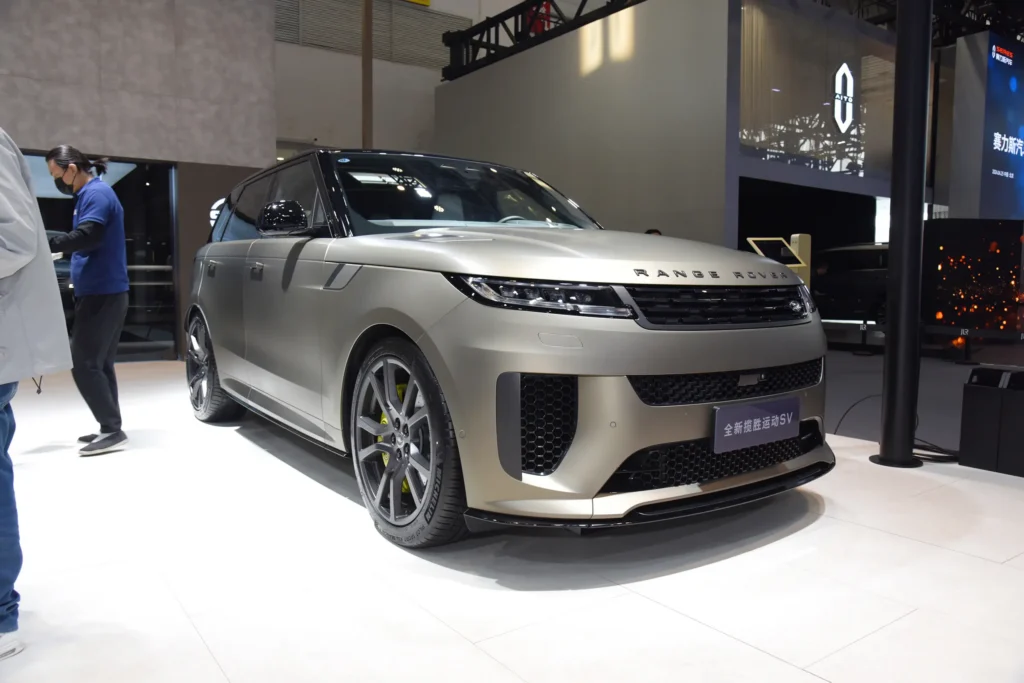
Land Rover has officially launched the 2026 Range Rover Sport in the Chinese market, introducing a refreshed lineup with strategic configuration adjustments across its four available trim levels. The new model year brings pricing that spans from 898,000 RMB to 1,950,000 RMB (approximately $12,386 to $26,896 USD based on current exchange rates), positioning this luxury performance SUV across a wide spectrum of the premium market segment.
As a model year update rather than a complete redesign, the 2026 Range Rover Sport focuses primarily on recalibrating its feature set and equipment levels to optimize value proposition and market competitiveness. The four configurations include the 360PS S as the entry point at 898,000 RMB ($12,386 USD), the 400PS Dynamic SE and 400PS AB both priced at 1,198,000 RMB ($16,524 USD), and the range-topping 4.4 V8 SV at 1,950,000 RMB ($26,896 USD). For comprehensive analysis of how electrification is transforming the luxury SUV segment and what these pricing strategies mean for premium automotive markets, visit AI Tools & API Access for the latest EV insights and industry intelligence.
Key Features & Specs
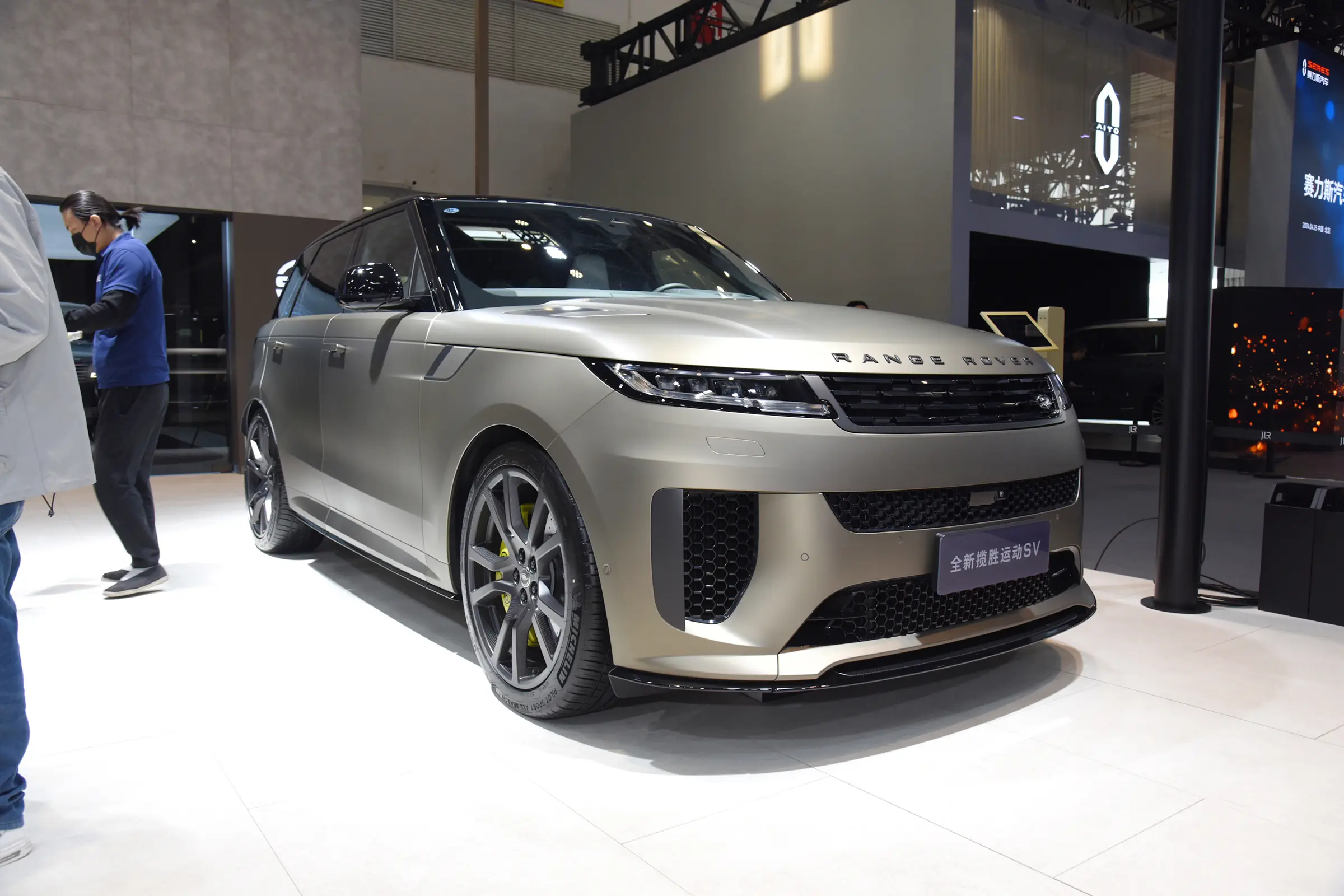
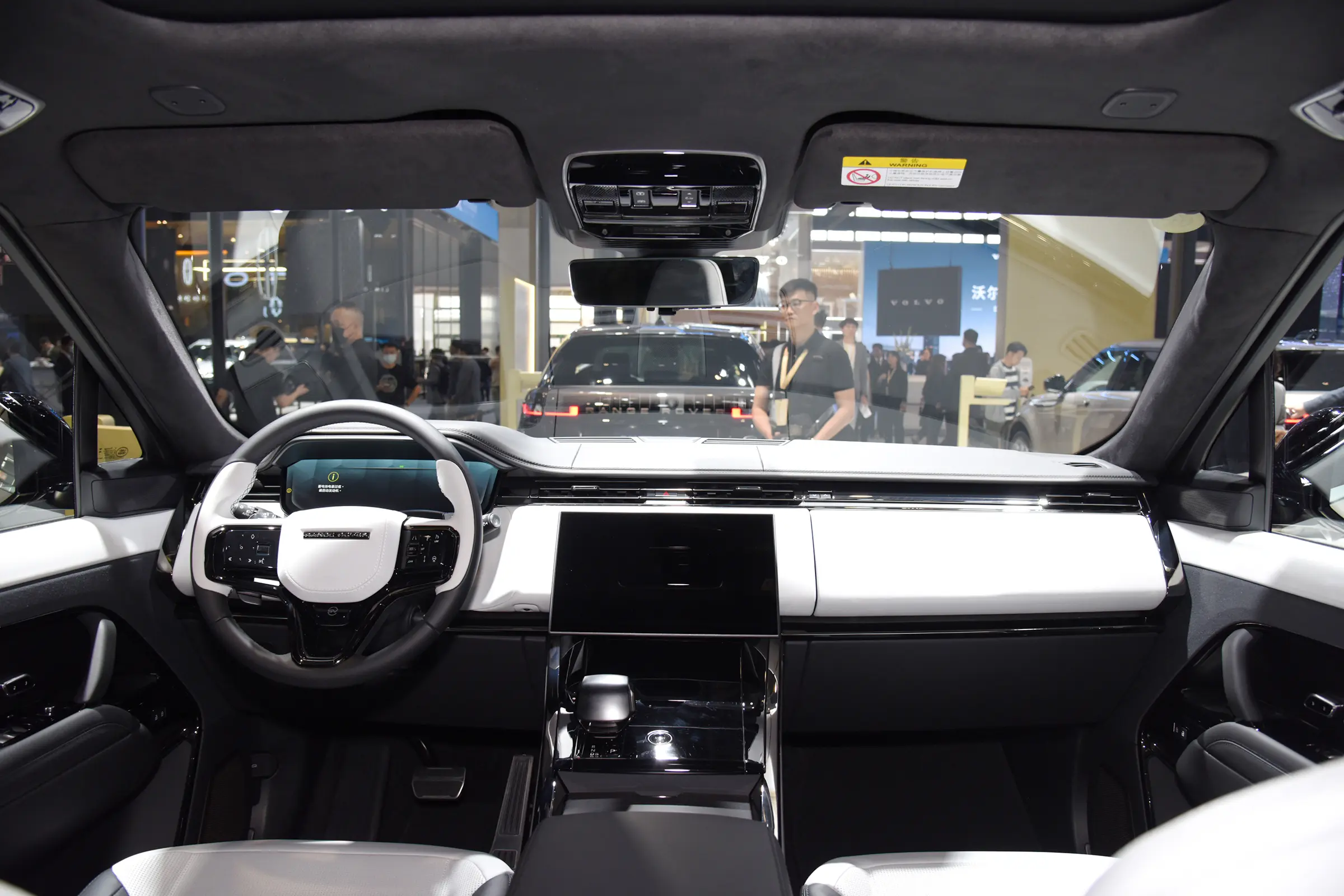
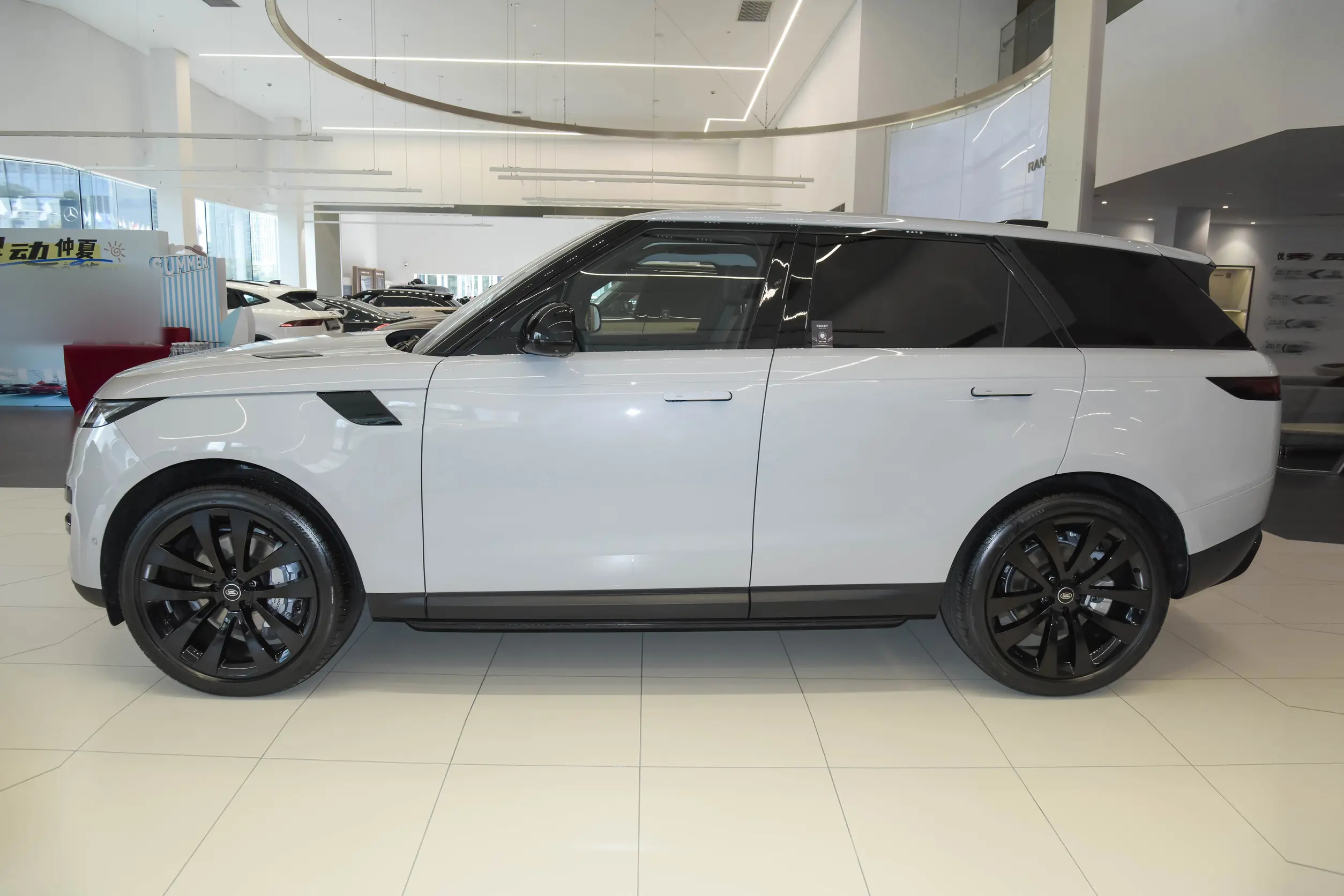
The 2026 model year brings notable changes to the equipment roster, with the popular Dynamic SE trim serving as a prime example of Land Rover’s reconfiguration strategy. The updated Dynamic SE now includes upgraded 23-inch alloy wheels that enhance the vehicle’s commanding road presence, along with electric deployable side steps for improved accessibility and a more refined entry/exit experience. Additionally, the steering wheel now features both heating and memory functions, adding convenience features that appeal to luxury buyers in colder climates.
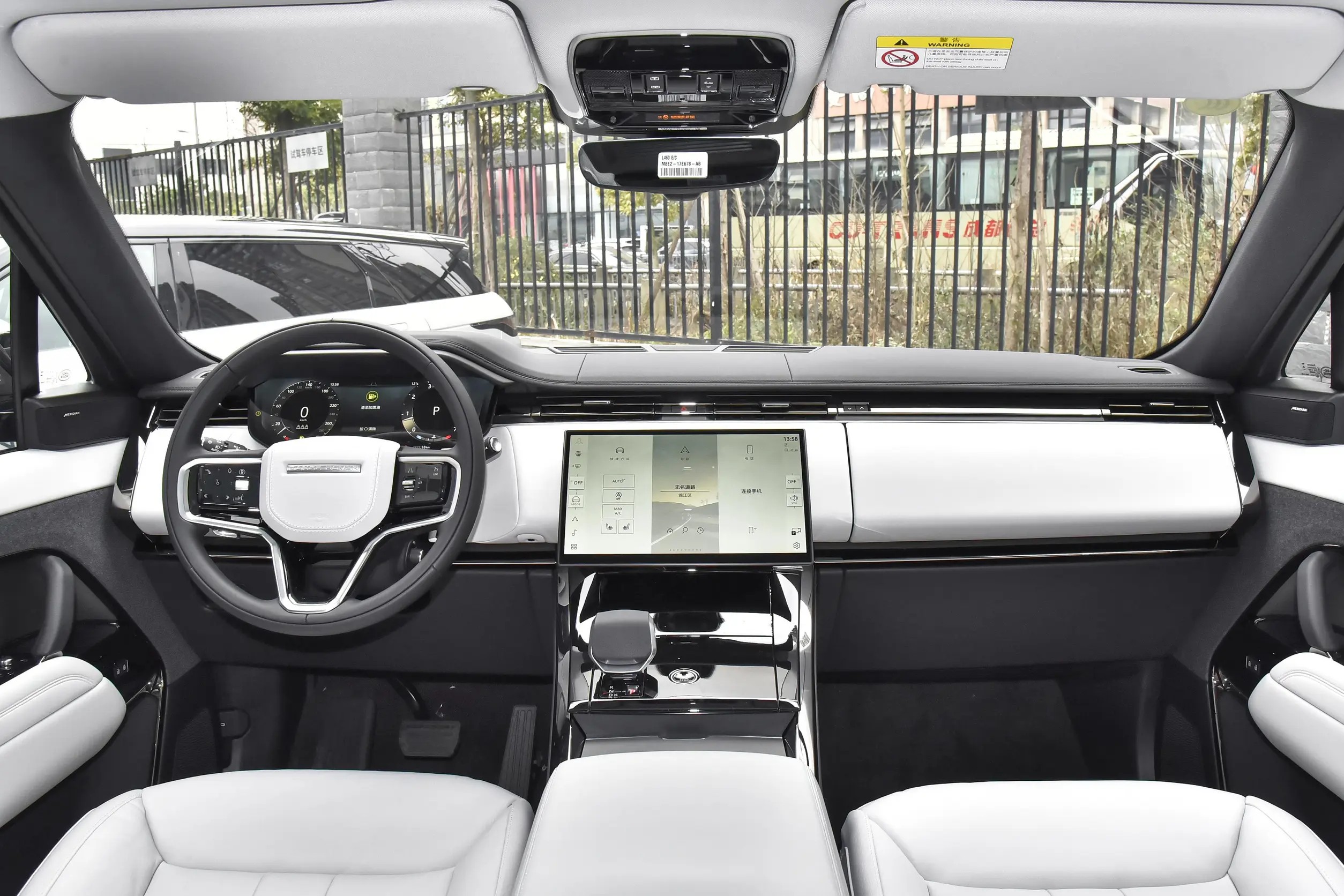
However, these additions come with some deletions from the previous specification. The 2026 Dynamic SE removes fog lights from the lighting package, eliminates the streaming media rearview mirror that provided enhanced rear visibility through camera feeds, and drops the wireless phone charging pad that has become increasingly standard in luxury vehicles. Perhaps most notably, the audio system has been downgraded from a 16-speaker setup to an 11-speaker configuration, which may disappoint audiophiles who prioritize sound quality. Similar configuration adjustments have been applied to both the S and AB variants, suggesting a comprehensive strategy to reposition equipment across the entire lineup.
Under the hood, the 2026 Range Rover Sport maintains Land Rover’s commitment to powerful yet efficient propulsion systems. The entry-level S variant utilizes a 3.0-liter turbocharged inline-six engine paired with 48-volt mild-hybrid technology, delivering 360 horsepower for balanced performance and efficiency. The Dynamic SE and AB models upgrade to a higher-output version of the same powertrain, boosting output to 400 horsepower for more spirited acceleration and stronger passing power. At the pinnacle sits the SV performance flagship, which deploys a formidable 4.4-liter twin-turbocharged V8 engine also enhanced with 48-volt mild-hybrid assistance, generating an impressive 635 horsepower that rivals dedicated sports cars. All variants route power through an eight-speed automatic transmission to a sophisticated four-wheel-drive system designed for both on-road dynamics and off-road capability.
Market Position & Competition
The 2026 Range Rover Sport occupies a challenging position in China’s increasingly competitive luxury SUV market, where it faces pressure from both traditional European rivals and emerging domestic premium brands. With pricing starting below 900,000 RMB and extending nearly to 2 million RMB, the Range Rover Sport competes directly against established competitors like the BMW X5 M, Mercedes-AMG GLE 63, Porsche Cayenne Turbo, and Audi SQ7. These German performance SUVs have traditionally dominated China’s luxury segment with strong brand recognition and comprehensive dealer networks.
The configuration changes in the 2026 model suggest Land Rover is carefully managing its cost structure while attempting to maintain perceived value. The addition of visible features like larger 23-inch wheels and electric side steps provides immediate visual and functional appeal, while the removal of less obvious features like wireless charging and the upgraded audio system reduces production costs without drastically impacting the ownership experience for most buyers. This strategy reflects the broader market reality that luxury brands face increasing pressure to offer competitive pricing while maintaining margin integrity.
China’s luxury SUV buyers have demonstrated particular sensitivity to technology features and visible status markers, making Land Rover’s decision to upgrade wheel sizes while downgrading audio systems a calculated gamble. The brand’s traditional strengths-British heritage, distinctive design, and genuine off-road capability-continue to differentiate it from competitors, but these attributes must now compete against Chinese luxury brands like NIO, Li Auto, and Hongqi that offer cutting-edge technology at compelling price points. The Range Rover Sport’s pricing strategy positions it as a premium choice that trades some technological features for brand cachet and mechanical refinement.
Should You Buy One?
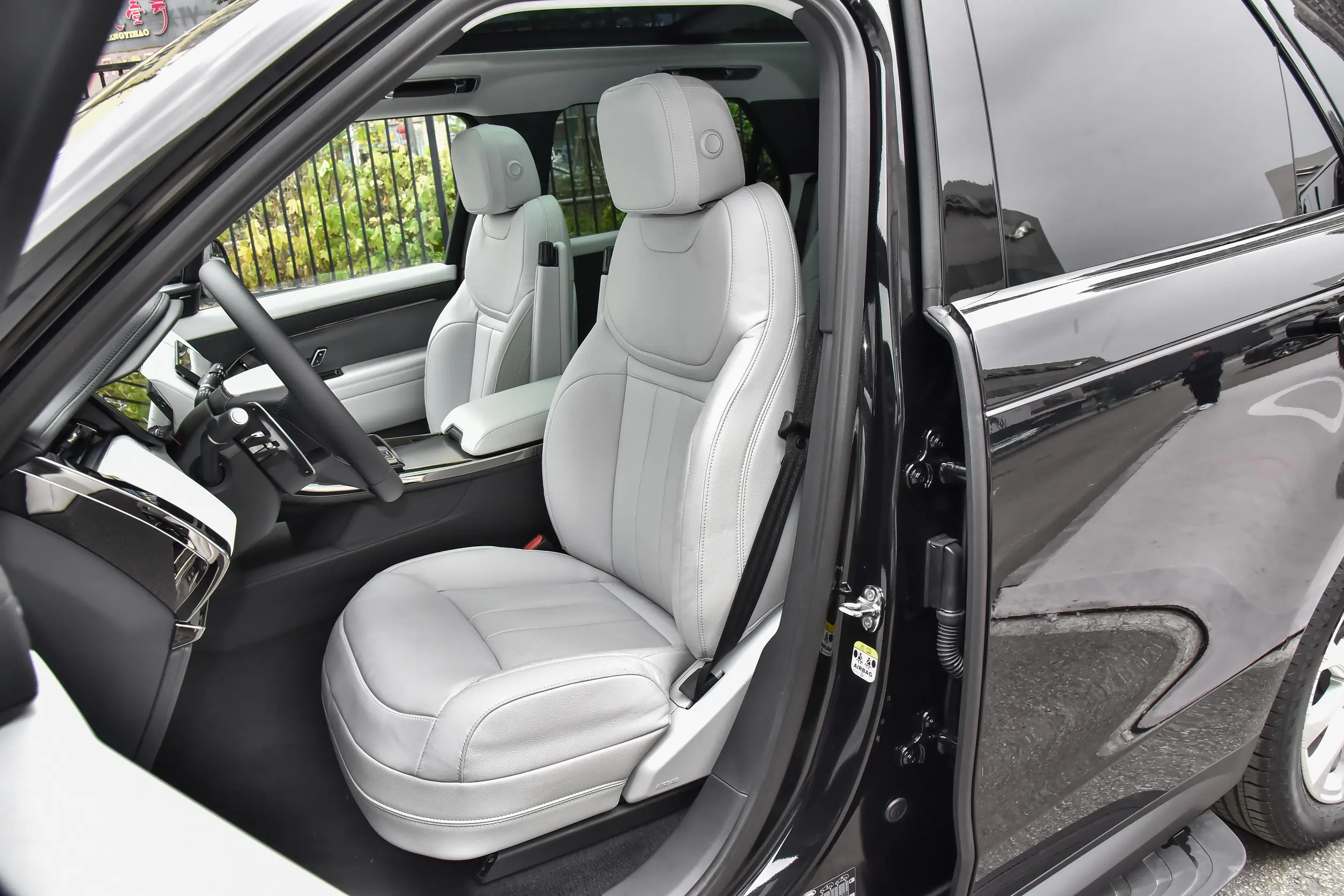
The 2026 Range Rover Sport presents a compelling proposition for buyers who prioritize brand prestige, design distinction, and driving dynamics over absolute technological supremacy. The Dynamic SE variant at 1,198,000 RMB ($16,524 USD) represents the sweet spot in the lineup, offering 400 horsepower performance in a package that includes most of the styling and comfort features that define the Range Rover experience. The upgraded wheel size and power-deployable steps add genuine daily usability, particularly for families or buyers who frequently host passengers.
However, prospective buyers should carefully consider what they’re sacrificing compared to the 2025 model year. The removal of wireless charging is a minor inconvenience in an era of ubiquitous USB ports, but the downgrade from 16 to 11 speakers may genuinely impact the premium feel of the cabin for buyers who value audio quality. The elimination of the streaming media mirror is perhaps most puzzling, as this technology significantly improves rear visibility and represents the kind of modern feature that justifies luxury pricing. Those considering the Range Rover Sport should test drive competitors and determine whether the British SUV’s unique character justifies these compromises. Understanding how traditional luxury brands are adapting their feature sets in response to market pressures and new competition can provide valuable context, which is why resources that track AI Tools & API Access across the automotive technology landscape prove invaluable for informed purchasing decisions.
For buyers considering the 635-horsepower SV variant at 1,950,000 RMB ($26,896 USD), the decision calculus changes entirely-this is a specialized performance machine for enthusiasts willing to pay a substantial premium for extraordinary power and exclusive positioning. The entry-level S model at 898,000 RMB offers reasonable value as a gateway to Range Rover ownership, though buyers at this price point should ensure they’re purchasing for the brand and design rather than expecting cutting-edge features.
Verdict
The 2026 Range Rover Sport arrives as a strategic refresh that reveals both the strengths and challenges facing traditional luxury brands in China’s rapidly evolving automotive market. Land Rover has made calculated decisions to optimize its offering-adding visible, prestigious features while quietly removing less obvious technological elements. For the right buyer, this remains a compelling luxury SUV that delivers distinctive style, robust performance, and the capability to venture far beyond paved roads while coddling occupants in genuine British luxury.
Whether these configuration adjustments represent smart product management or a concerning retreat from technological leadership will ultimately be decided by market reception. Buyers who value the Range Rover Sport’s unique combination of elegance, performance, and heritage will find much to appreciate in the 2026 model, while those prioritizing absolute feature completeness may want to shop competitors or consider waiting for more comprehensive updates in future model years. In China’s demanding luxury market, the Range Rover Sport continues to offer something genuinely different-the question is whether “different” remains sufficiently compelling in an era of rapid innovation and intense competition.
Compare Recommended Products
| Product | Best For | Fitment | MOQ | Use Case | Action |
|---|
Looking for EV accessories for your market?
Tell us your target market, vehicle model and quantity. We will match suitable products from China.