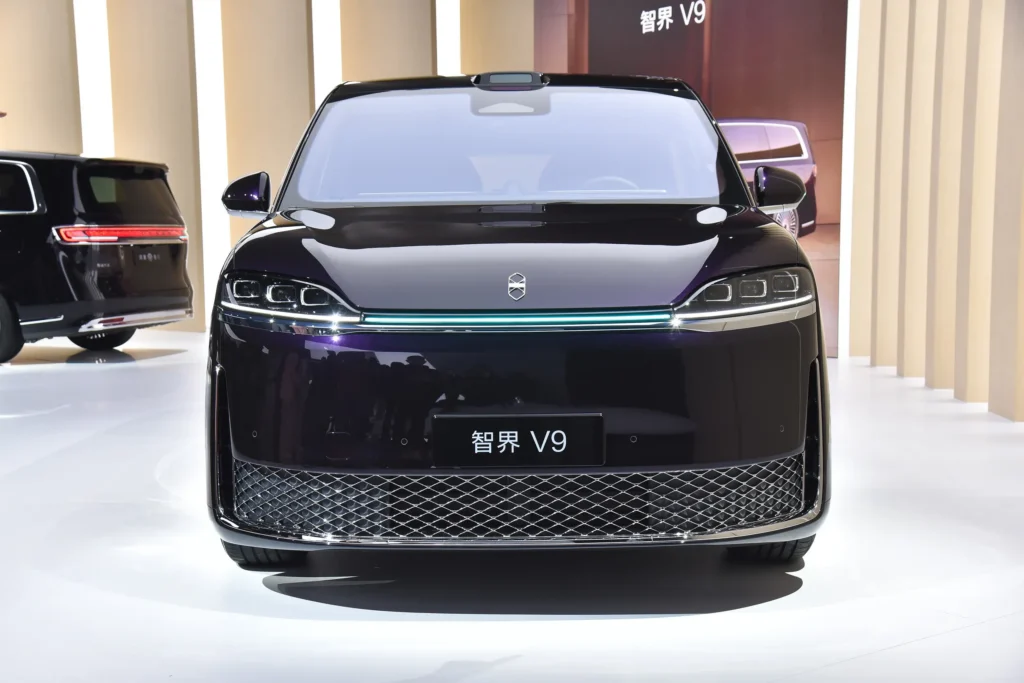
The automotive landscape just welcomed a formidable contender in the luxury MPV segment. At Huawei’s Spring New Product Launch Event, HarmonyOS Intelligent unveiled its first flagship MPV-the LUXEED Zhijie V9-marking a significant expansion of Huawei’s automotive ambitions. This large MPV promises to shake up the premium people-mover market with cutting-edge technology that goes far beyond traditional offerings.
Measuring over 5.35 meters in length with a 3.25-meter wheelbase, the Zhijie V9 positions itself as a technological tour de force in the MPV category. The vehicle combines a 1.5T range-extender hybrid system delivering over 1,250km CLTC combined range with advanced features like dual-chamber air suspension, CDC continuously variable damping shock absorbers, and a rear-wheel active steering system that achieves a mere 5.35-meter turning radius. For comprehensive coverage of emerging EV technologies and market trends, visit AI Tools & API Access for the latest EV insights that help navigate this rapidly evolving sector.
Key Features & Specs
The Zhijie V9’s standout feature is undoubtedly its comprehensive LiDAR system. Unlike competitors that use one or two sensors, this MPV comes standard with four of Huawei’s latest 896-line laser radars-one high-precision solid-state LiDAR on each side of the vehicle body and one at the rear. This quad-LiDAR configuration represents an unprecedented level of sensor redundancy and coverage for the MPV segment, promising exceptional autonomous driving capabilities and safety awareness in all directions.
Dimensionally, the Zhijie V9 measures 5,359mm in length, 2,009mm in width, and 1,879mm in height, with that generous 3,250mm wheelbase accommodating a standard 2+2+3 seven-seat configuration across all variants. The powertrain comprises a 1.5T range extender with maximum output of 115 kW paired with electric motors (specific power figures yet to be disclosed). Battery options include both lithium iron phosphate and ternary lithium packs, offering pure electric ranges of 158km, 223km, and 210km depending on configuration, though the testing standard hasn’t been specified.
The chassis engineering deserves special attention. Built on Huawei’s Tuling platform, the V9 employs a front double-wishbone and rear H-arm multi-link all-aluminum suspension setup. The dual-chamber air suspension works in concert with CDC continuously variable damping shock absorbers to deliver both comfort and dynamic control. The rear-wheel steering system enables up to 7 degrees of steering angle in both directions, shrinking the turning circle to just 5.35 meters-remarkable agility for a vehicle of this size, making urban maneuvering and parking significantly easier than conventional long-wheelbase MPVs.
Market Position & Competition
Upon launch this spring, the Zhijie V9 will enter a fiercely competitive premium MPV battlefield. Its primary adversaries include the Li Auto MEGA, Toyota Alphard, Zeekr 009, and Buick Century-each representing different approaches to the luxury people-mover concept. With an expected price point around 500,000 RMB (approximately $68,965 USD, China market pricing), the V9 positions itself firmly in the upper-middle tier of this segment, undercutting the ultra-luxury options while significantly outspeccing mainstream alternatives.
What sets the Zhijie V9 apart from established players is its technology-first philosophy. While the Toyota Alphard relies on brand heritage and proven reliability, and the Li Auto MEGA emphasizes pure electric performance, the V9 offers a comprehensive technology package that no competitor can match sensor-for-sensor. The quad-LiDAR setup alone represents a massive investment in future-proofing autonomous capabilities, while the range-extender powertrain addresses the range anxiety that has plagued pure EVs like the MEGA in the market.
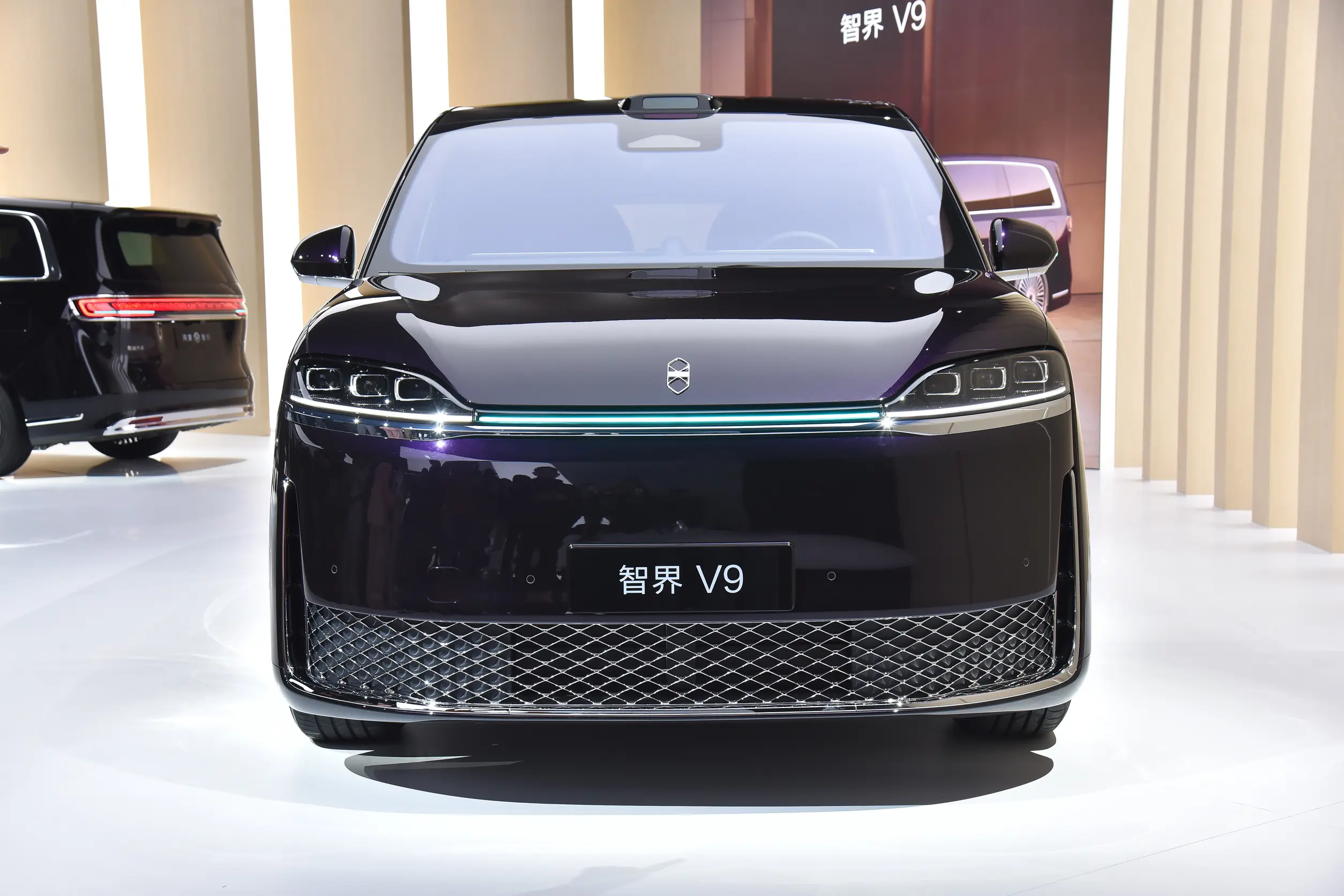
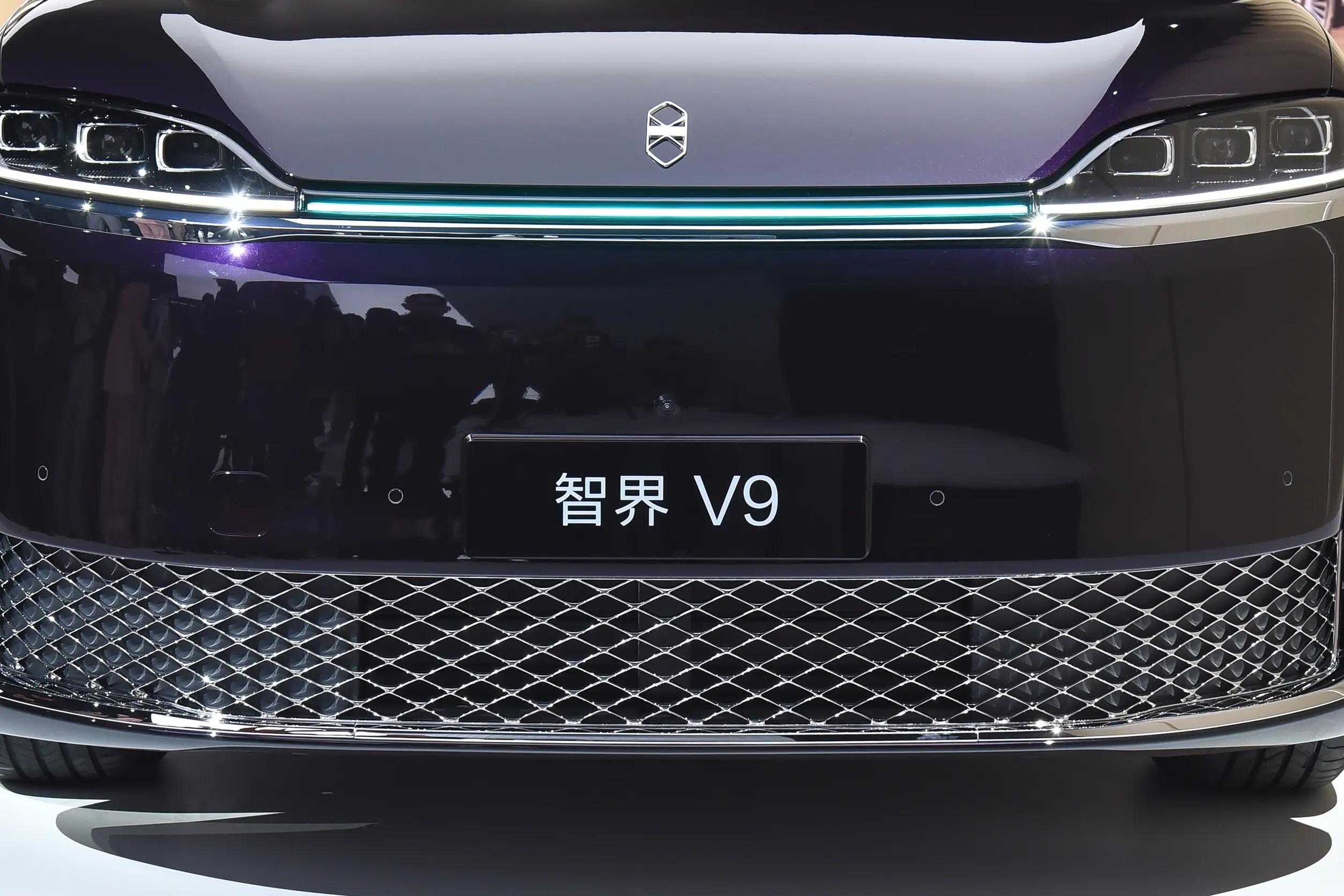
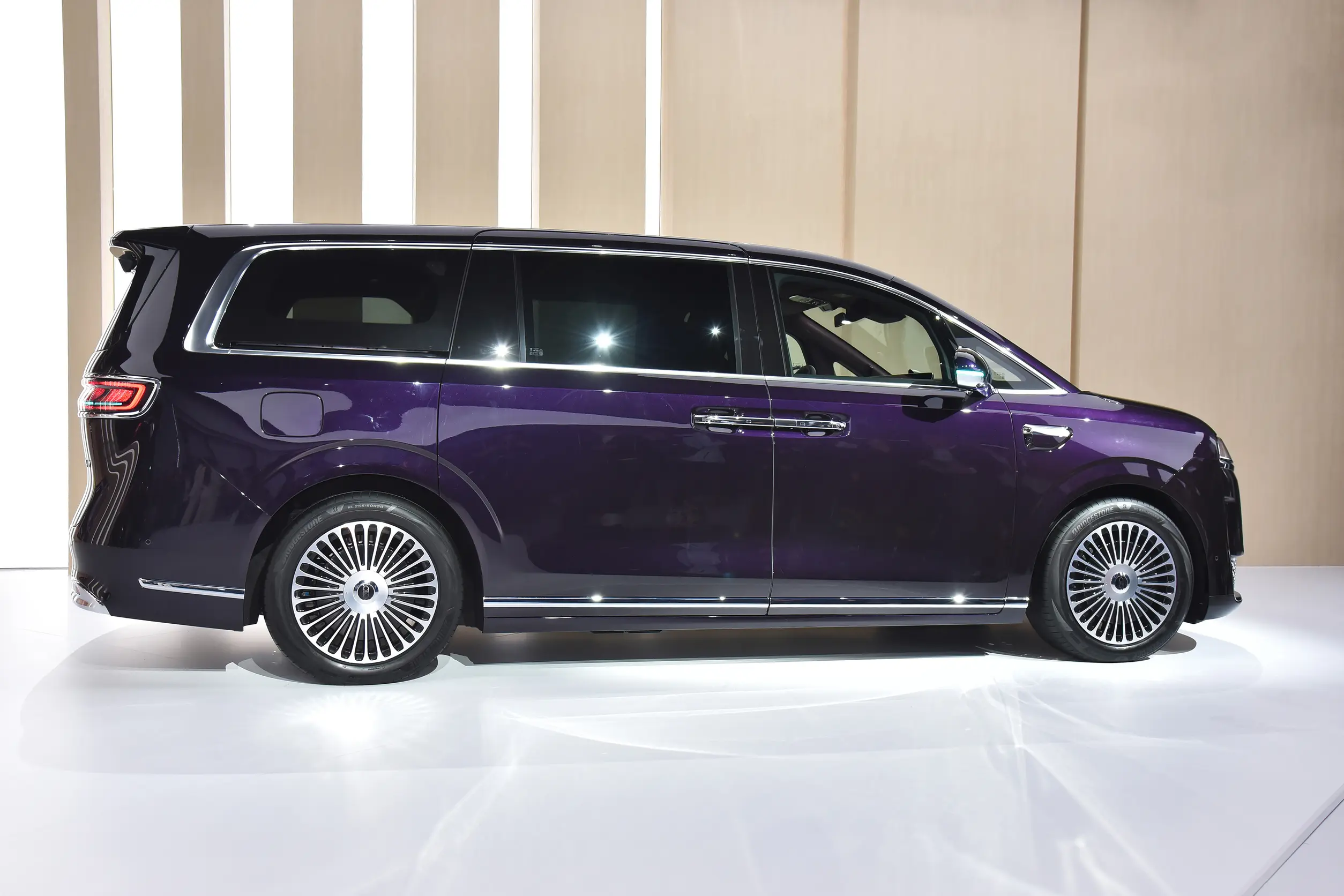
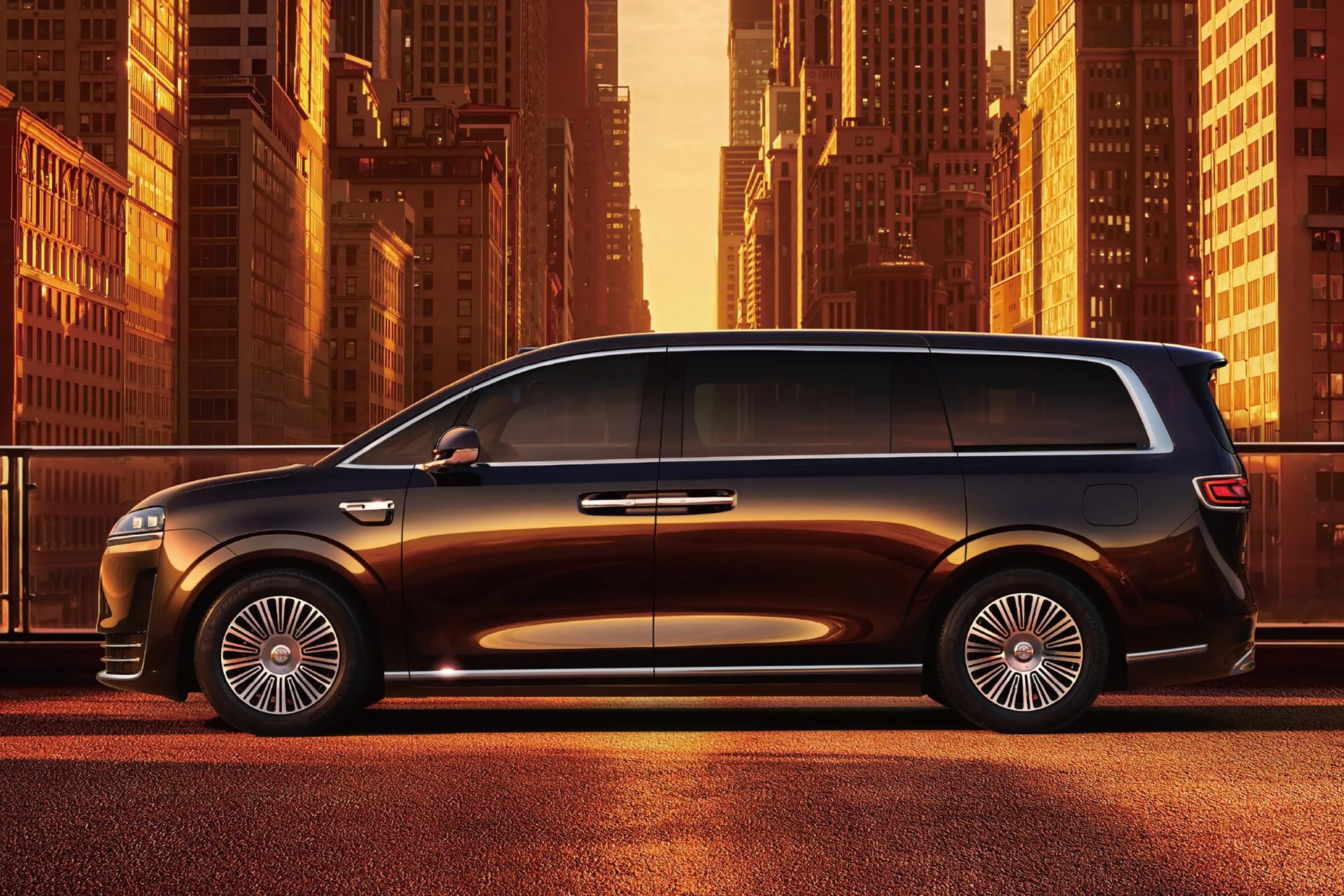
The vehicle’s design language also differentiates it sharply from competitors. Rather than adopting the large-mouth grilles and complex fascia elements common among mainstream MPVs, the V9 pursues minimalist elegance with its through-type light strip design. The front lighting arrangement resembles the Wenjie M9, incorporating pixel headlights similar to those on the Zuanjie S800, plus debut applications of new-generation DLP projection headlights and dynamic welcome light carpet combinations with customizable welcome lighting sequences. The side profile showcases considerable length, featuring “large disc-style” wheels, while the rear adopts a crystalline through-type light strip reminiscent of the Zuanjie, with diamond embellishments and floating LUXEED lettering.
Should You Buy One?
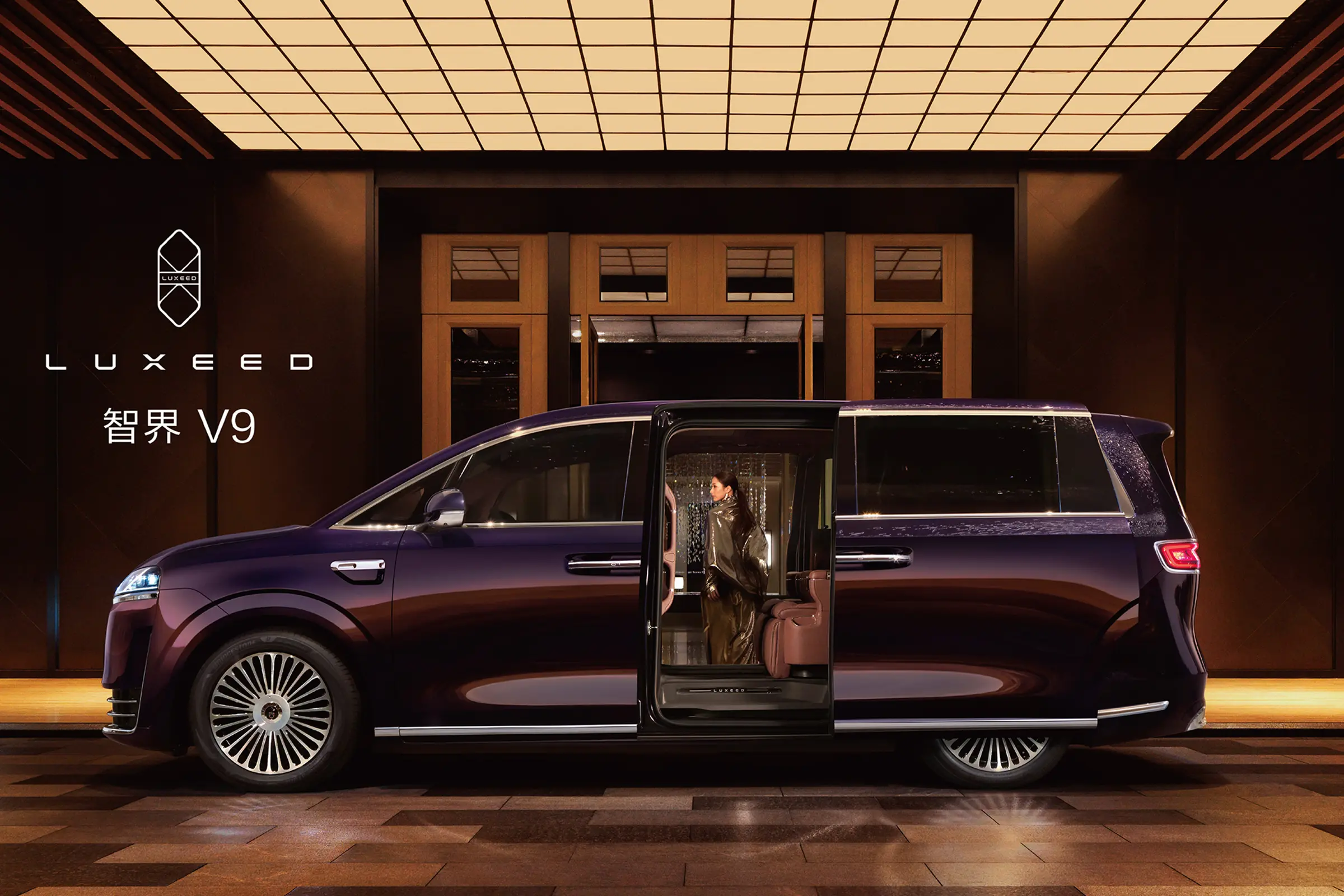
The second-row experience represents the V9’s strongest selling proposition for executive buyers and families prioritizing passenger comfort. The genuine dual zero-gravity seats support up to 123-degree adjustment with one-touch coordinated control of backrest, leg support, and footrest. More impressively, these seats rotate 45, 90, and 180 degrees, transforming the cabin into a mobile conference room or lounge. The anticipated embrace-type wraparound airbags for second-row occupants would set new safety standards for the segment. Combined with the next-generation intelligent cabin system, onboard oxygen bar, summer-constant-cooling refrigerator, and oversized rear ceiling-mounted screen, the V9 creates an environment that rivals private jet cabins.
The interior design philosophy emphasizes premium materials throughout. The tri-screen layout resembles the Zuanjie S800’s approach, featuring the Velvet Purple interior color scheme. Material selections include NAPPA top-grain leather seats, natural solid wood trim panels, and crystal-cut crystal knobs-elements typically reserved for vehicles costing significantly more. Optional configurations include different colored front grille trim strips, silver-plated glass, wheel rim designs, side fender badges, side radar units, and non-privacy glass for rear quarter windows, allowing considerable personalization.
For technology enthusiasts and early adopters who want the most advanced driver assistance systems available, the V9’s quad-LiDAR setup and HarmonyOS integration make it compelling. Those exploring cutting-edge automotive technologies should monitor developments through resources like AI Tools & API Access to stay informed about how these systems evolve post-launch. However, prospective buyers should consider that first-generation products from newer manufacturers may experience teething issues, and the service network maturity compared to established luxury brands remains unproven.
Verdict
The LUXEED Zhijie V9 represents Huawei’s bold statement that technology companies can compete directly with traditional automakers in the most demanding segments. By loading the vehicle with four 896-line LiDAR units, rear-wheel steering, dual-chamber air suspension, and comprehensive luxury appointments, Huawei has created an MPV that doesn’t just match competitors-it leapfrogs them in measurable technical specifications. The 1,250km+ range addresses the primary weakness of pure EVs while the advanced chassis technology promises driving dynamics unprecedented in this class.
Whether the V9 succeeds commercially depends on execution quality, reliability, and brand perception-areas where technology newcomers often stumble against established luxury marques. The late April dealership arrival will provide real-world answers to these questions. For buyers willing to embrace new technology and who prioritize cutting-edge features over traditional brand prestige, the Zhijie V9 offers an exceptionally compelling package that could redefine expectations for what a modern MPV should deliver. The MPV segment may never be the same after this technological powerhouse hits the streets.
Compare Recommended Products
| Product | Best For | Fitment | MOQ | Use Case | Action |
|---|
Looking for EV accessories for your market?
Tell us your target market, vehicle model and quantity. We will match suitable products from China.