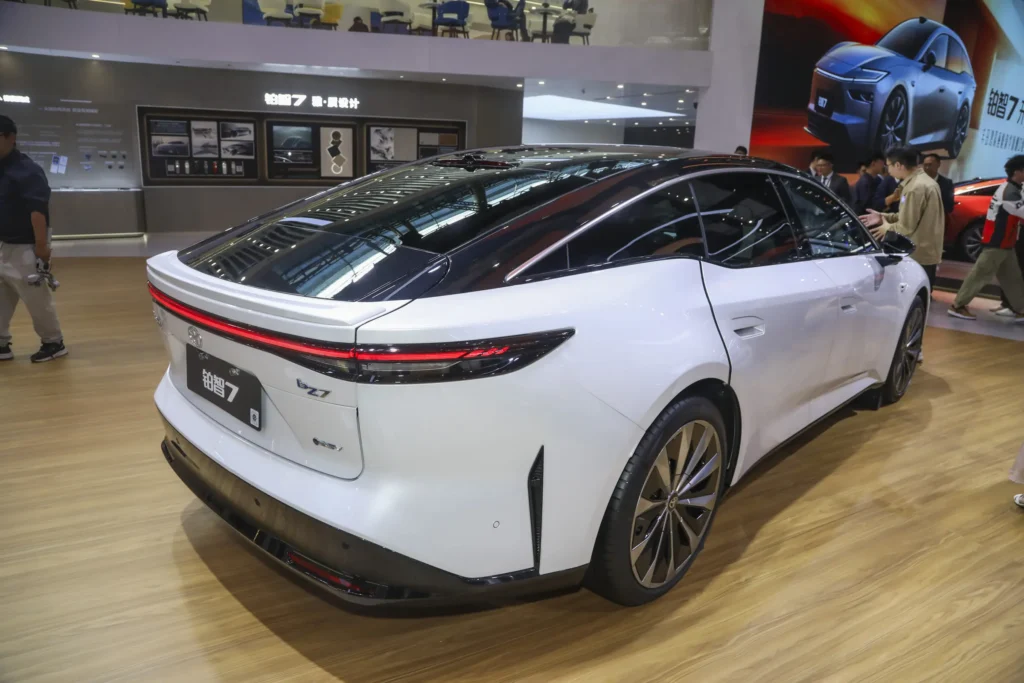
The Chinese electric vehicle market is about to welcome another compelling contender as the Bozhi 7 prepares for its official launch on March 29th. With pre-sale prices starting from 179,800 RMB (approximately $24,800 USD) and ranging up to 239,800 RMB ($33,076 USD) across five configuration options, this mid-size sedan aims to challenge established players in the premium EV segment. Limited-time pre-sale incentives have made the vehicle even more attractive, with special pricing ranging from 156,800 RMB ($21,628 USD) to 209,800 RMB ($28,938 USD).
The Bozhi 7 represents a significant entry into the competitive electric sedan market, bringing together Toyota’s design heritage with cutting-edge Chinese technology. With a maximum range of 710 kilometers on a single charge, the vehicle positions itself as a practical solution for both urban commuting and long-distance travel. For those tracking the latest developments in electric mobility and automotive innovation, you can visit AI Tools & API Access for the latest EV insights and comprehensive coverage of emerging vehicle technologies.
Key Features & Specs
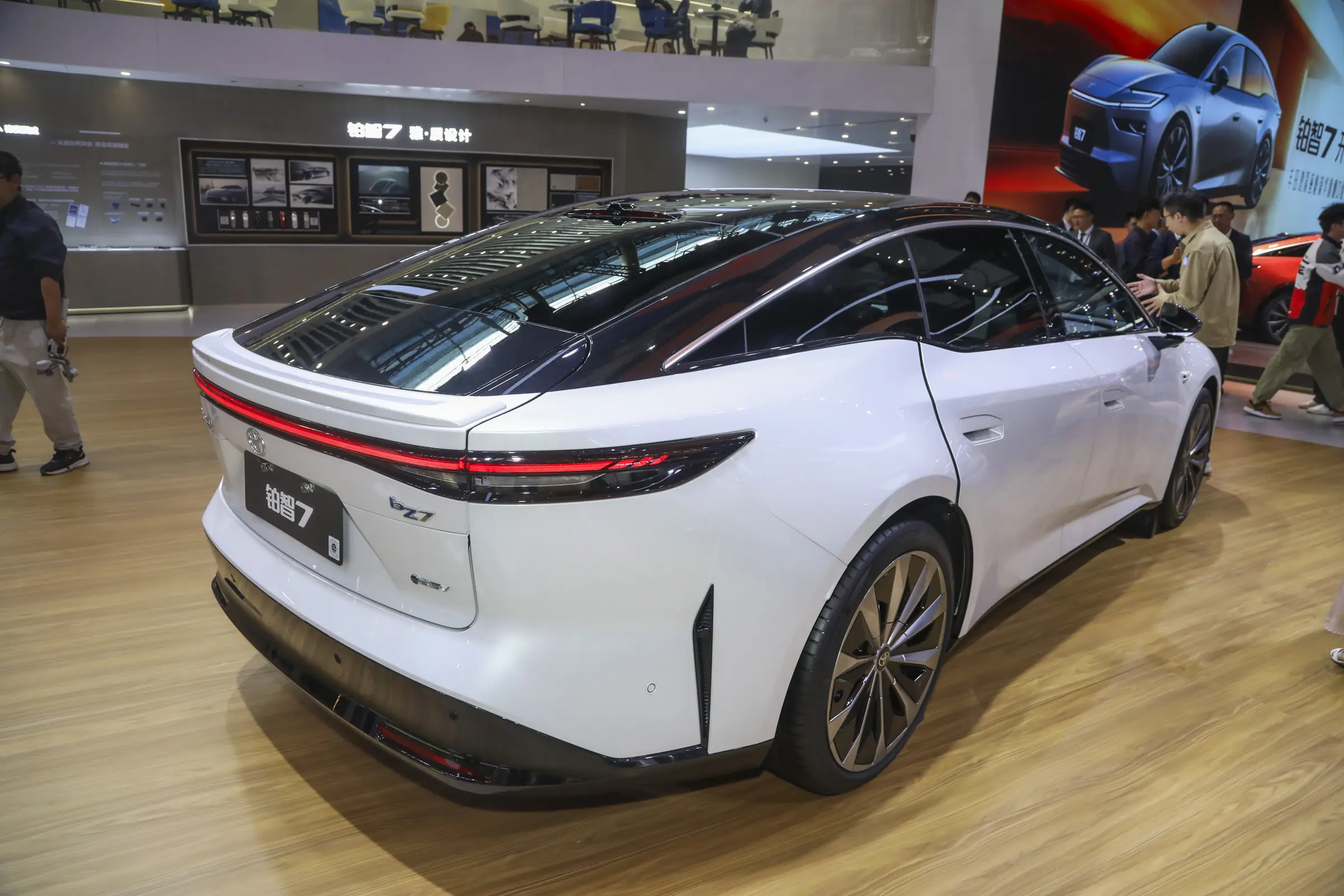
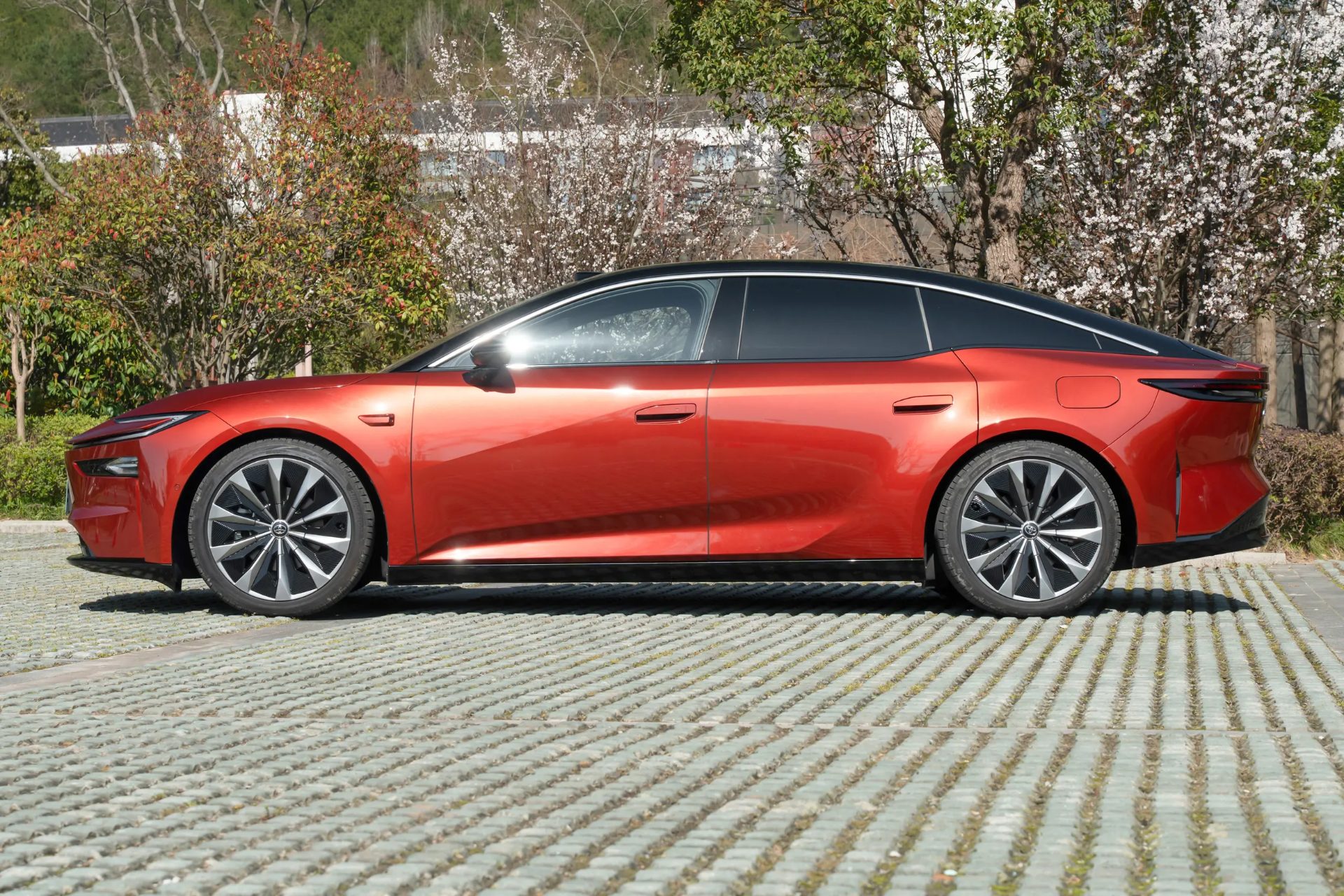
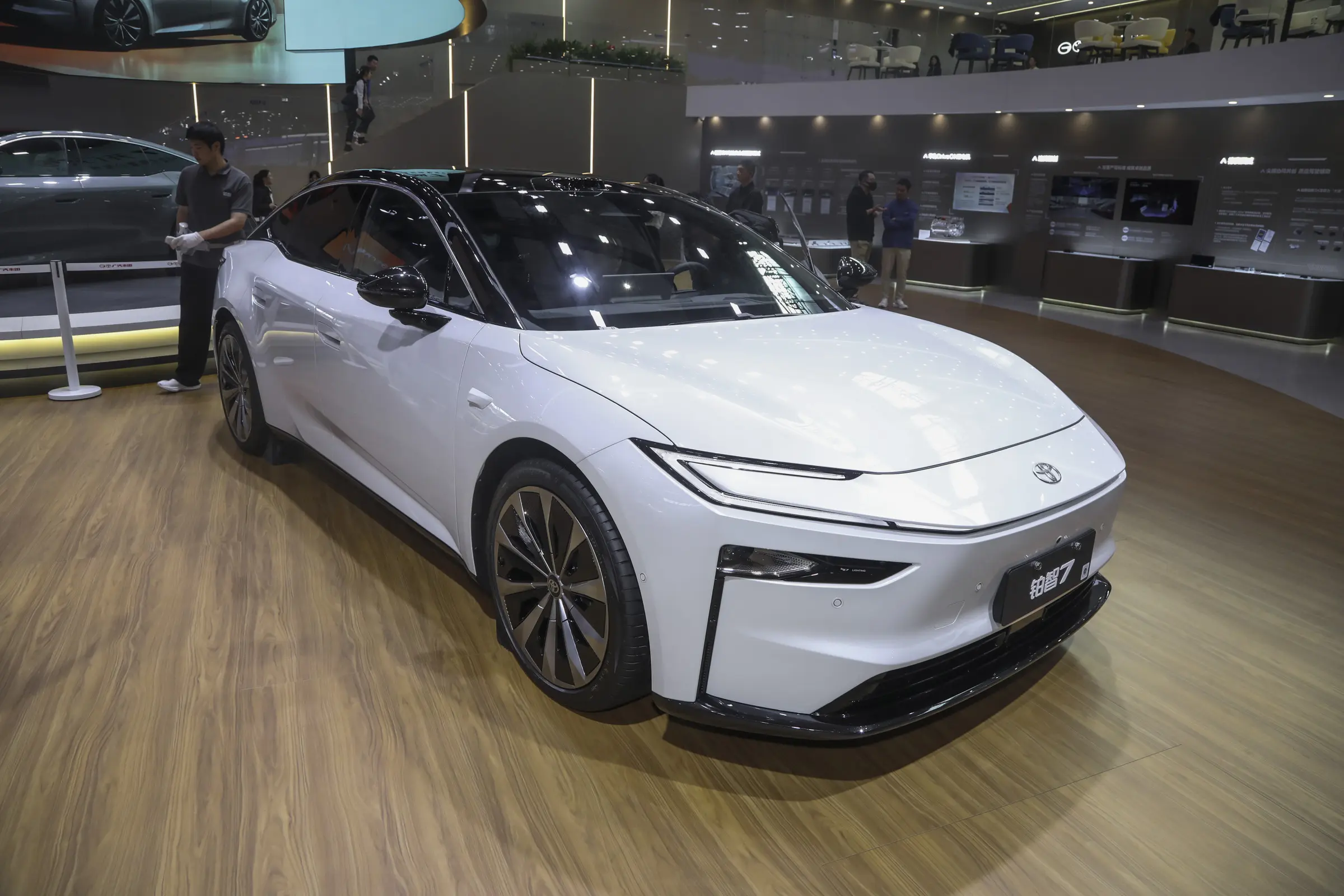
The Bozhi 7 showcases distinctive exterior design language that Toyota has developed for its electrification strategy. The front fascia features a wraparound LED daytime running light strip creating what the manufacturer describes as a “hammerhead shark” visual effect, offering strong visual recognition on the road. The rear continues this design philosophy with a full-width taillight arrangement, an integrated trunk spoiler, and lower bumper styling that echoes the front end design. Buyers can choose from seven exterior colors: Daiyun Green, Danxia Red, Cyber Gold, Pure Snow White, Bright Moon Silver, Vast Black, and Distant Mountain Gray. The sedan measures an impressive 5,130mm in length, 1,965mm in width, and 1,506mm in height, with a generous 3,020mm wheelbase that promises spacious interior accommodations.
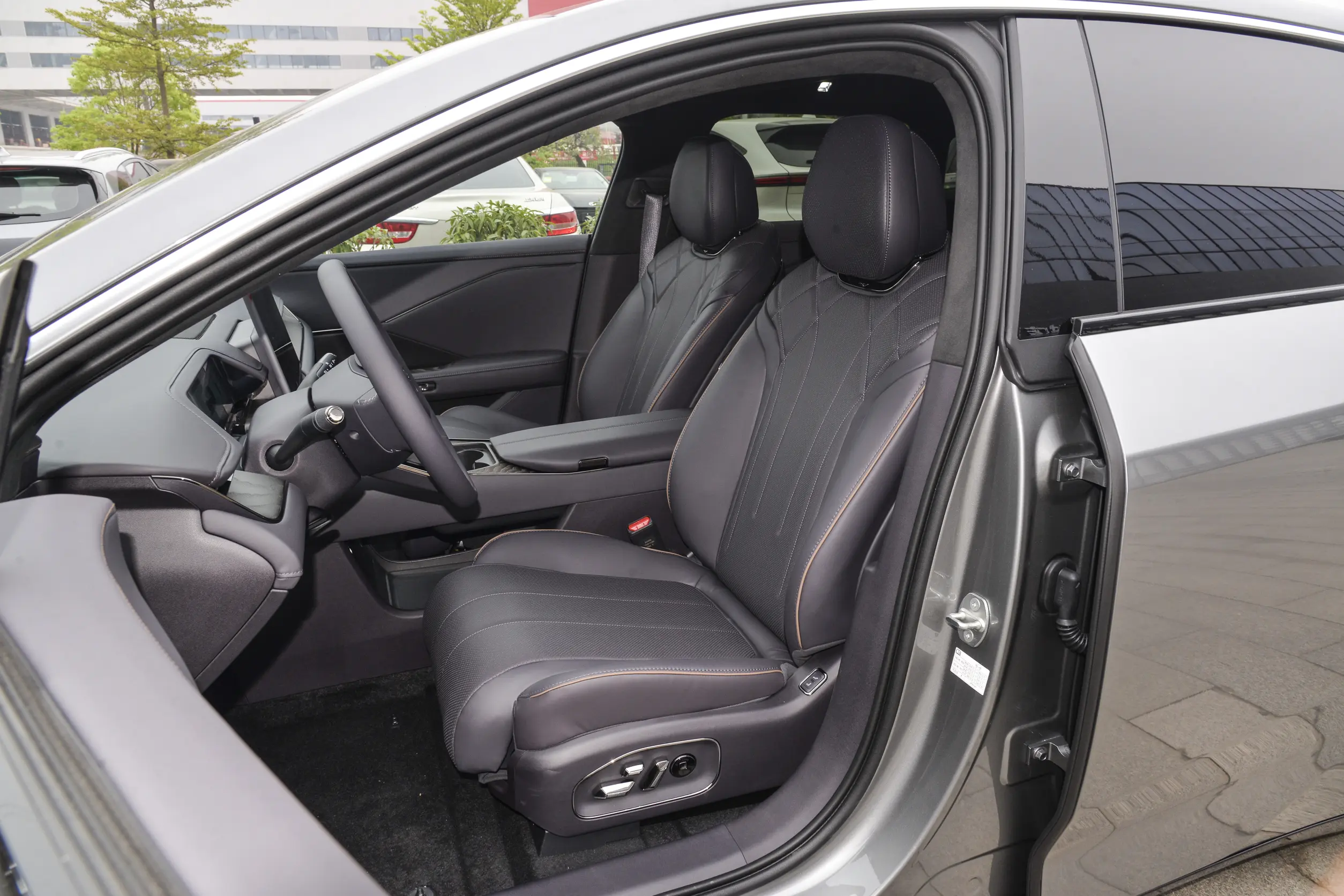
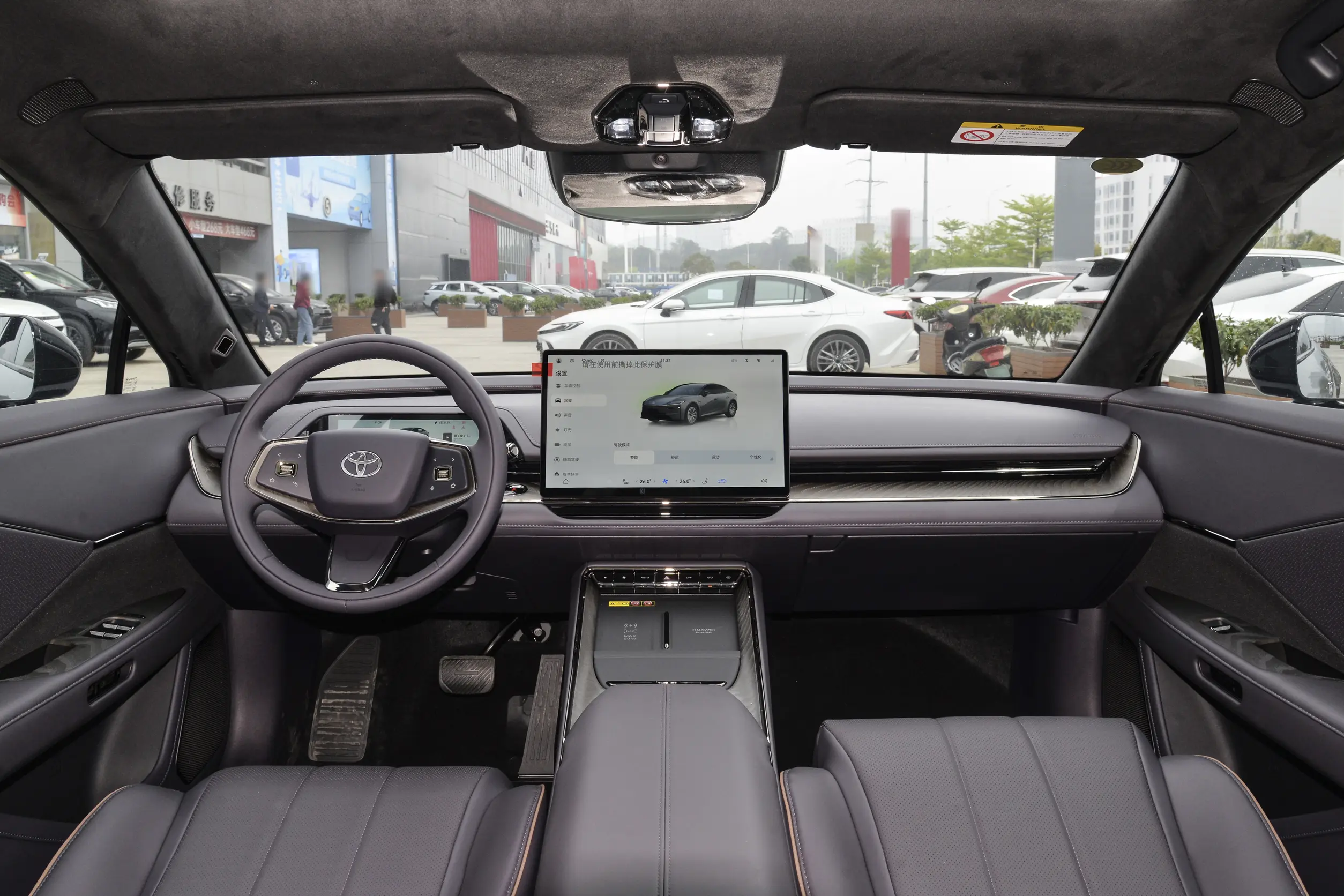
Inside the cabin, the Bozhi 7 combines a compact digital instrument cluster with a large 15.6-inch 2K resolution central touchscreen. All trim levels come standard with HarmonyOS Cockpit 5.0, Huawei’s latest vehicle infotainment system that offers seamless integration with smartphones and smart home devices. The vehicle doesn’t skimp on luxury features either, offering an extensive list of amenities including a zero-gravity front passenger seat, 10-point massage functionality for all four seats with heating and ventilated suction-type cooling, quad-door double-layer laminated glass for superior noise insulation, wireless charging panels for both front and rear passengers, a Yamaha audio system, rear side table, onboard refrigerator, and independent rear air conditioning controls.
The advanced driver assistance capabilities represent another major selling point. The Bozhi 7 integrates the Momenta R6 Flywheel large language model-based advanced driver assistance system, utilizing 27 sensors throughout the vehicle. This system employs an integrated end-to-end large model architecture supporting both urban and highway advanced driver assistance functions. Additionally, the sedan features dual-chamber air suspension that enables independent adjustment of ride height and damping firmness. The “intelligent preview” function actively scans road conditions ahead and proactively adjusts suspension settings to optimize comfort and handling.
Market Position & Competition
The Bozhi 7 enters a fiercely competitive segment of the Chinese EV market where domestic brands have established strong footholds. Priced between 156,800 and 209,800 RMB with early-bird incentives, it directly competes against vehicles like the Xpeng P7, BYD Han EV, and NIO ET5. The inclusion of HarmonyOS 5.0 as standard equipment gives it a technological edge, particularly among Chinese consumers who value ecosystem integration. The 710km maximum range also places it competitively within its price bracket, though rivals from BYD and others offer similar or superior range figures.
What distinguishes the Bozhi 7 from pure Chinese startups is the Toyota connection, which may appeal to consumers seeking established automotive manufacturing expertise combined with modern electric propulsion. However, this association could also be perceived as a double-edged sword, as Toyota has historically been slower to embrace full electrification compared to Chinese competitors. The vehicle’s substantial dimensions-over 5 meters in length with a 3-meter wheelbase-position it as a genuine mid-to-large sedan, offering more interior space than many competitors in its price range.
The advanced driver assistance system powered by Momenta’s R6 technology and large language model represents a significant technological statement. While competitors like Xpeng and NIO have promoted their autonomous driving capabilities extensively, the Bozhi 7’s integration of 27 sensors and end-to-end AI modeling suggests comparable or superior functionality. The dual-chamber air suspension with predictive road scanning also elevates it above many competitors that offer conventional suspension systems even at higher price points.
Should You Buy One?
For potential buyers, the Bozhi 7 presents a compelling value proposition, particularly during the pre-sale period with limited-time pricing incentives. The combination of long range, spacious dimensions, luxury amenities, and advanced technology packed into a vehicle starting below 160,000 RMB represents excellent value in the current market. The HarmonyOS 5.0 integration will particularly appeal to existing Huawei ecosystem users, offering seamless connectivity that rivals struggle to match. The zero-gravity seating, massage functions, and refrigerator transform the vehicle into a mobile luxury lounge suitable for business executives and families alike.
However, prospective buyers should consider several factors before committing. As a relatively new nameplate in the market, the Bozhi brand lacks the established reputation and proven reliability track record of more mature EV manufacturers. Questions remain about after-sales service network coverage, parts availability, and long-term software update support. Additionally, while the Toyota connection suggests manufacturing quality, the actual production facility and quality control processes deserve scrutiny. For comprehensive analysis of emerging EV brands and technology comparisons, readers can explore detailed reviews and technical breakdowns at AI Tools & API Access where automotive innovations are continuously monitored and evaluated.
The vehicle makes most sense for buyers who prioritize interior space, technological features, and value-for-money over brand prestige. Urban professionals who regularly use advanced driver assistance systems will appreciate the Momenta R6 integration, while the 710km range addresses range anxiety for those taking frequent intercity trips. The extensive luxury features suggest the top-trim models offer particular value, potentially delivering near-luxury experiences at mainstream prices.
Verdict
The Bozhi 7 arrives at a pivotal moment in China’s EV market evolution, where technological sophistication and feature richness have become baseline expectations rather than premium differentiators. Its combination of substantial range, advanced AI-powered driver assistance, luxury amenities, and competitive pricing demonstrates how rapidly the market has matured. The March 29th launch will reveal final pricing and specification details, but based on pre-sale information, the vehicle appears positioned to capture significant attention in the 150,000-250,000 RMB segment.
Whether the Bozhi 7 succeeds will depend on execution quality, brand-building efforts, and how effectively it leverages the HarmonyOS ecosystem advantage. For consumers willing to embrace a newer nameplate in exchange for excellent value and cutting-edge technology, the Bozhi 7 merits serious consideration. Traditional buyers who prioritize established brand reputation may prefer waiting to see real-world reliability data and owner experiences before committing. Either way, the Bozhi 7 represents another example of how competitive pressure continues driving innovation and value creation in the world’s largest automotive market.
Compare Recommended Products
| Product | Best For | Fitment | MOQ | Use Case | Action |
|---|
Looking for EV accessories for your market?
Tell us your target market, vehicle model and quantity. We will match suitable products from China.