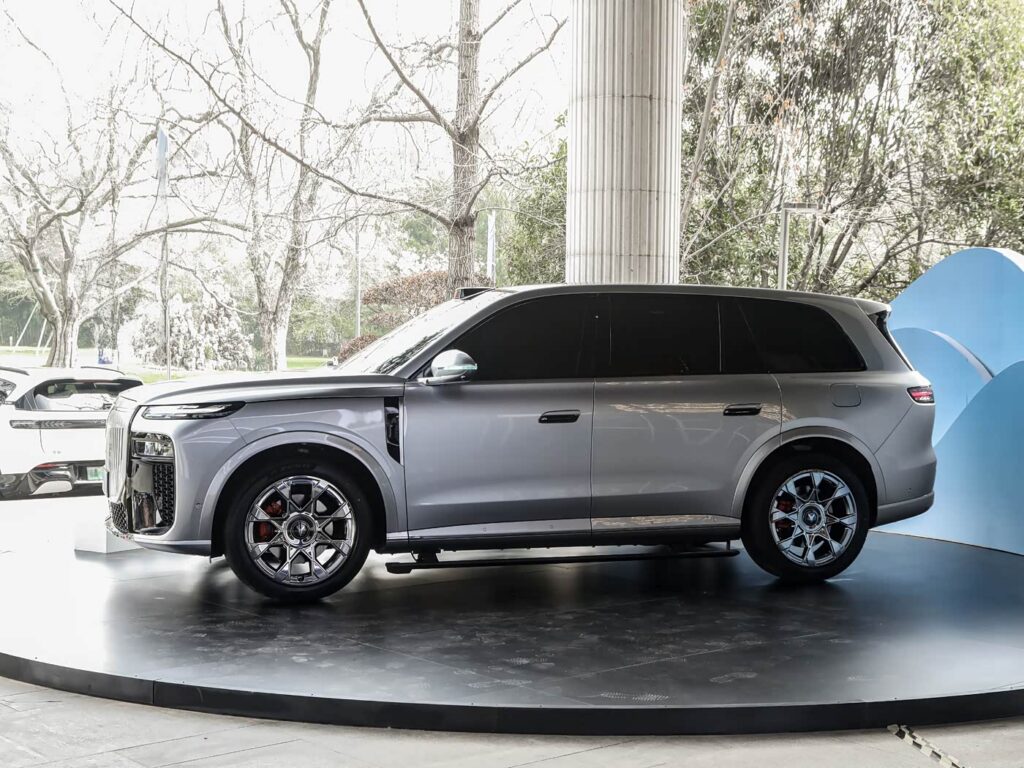
Voyah, the premium electric vehicle brand under Dongfeng Motor Corporation, has just revealed significant configuration details for its upcoming flagship SUV, the Taishan X8. Lu Fang, Chairman of Voyah Auto, took to social media to announce that the recently unveiled model will feature an unprecedented sensor suite: an 896-line dual-path image-grade LiDAR combined with three solid-state LiDAR units. This represents one of the most advanced autonomous driving hardware packages available in the consumer vehicle market today.
The announcement also confirmed that the Taishan X8 will be the first vehicle to debut Huawei’s latest generation intelligent cockpit system, marking another milestone in the deepening partnership between Chinese automakers and tech giants. The vehicle will be offered in both plug-in hybrid and pure electric configurations, with the latter receiving a substantial 120kWh battery pack. For those tracking the evolution of electric vehicle technology and intelligent driving systems, you can visit AI Tools & API Access for the latest EV insights and industry analysis.
Key Features & Specs
The Taishan X8 adopts a five-seat configuration with what Voyah calls “dual executive zero-gravity seats” in the second row. These rear seats represent a significant engineering achievement, offering a maximum recline angle of 145 degrees and up to 200mm of fore-aft sliding range. The seats feature 32-point massage coverage from neck to calf, along with a world-first kneading-type mechanical massage function. The cabin space measures an impressive 6.1 square meters, providing occupants with limousine-level comfort in an SUV package.
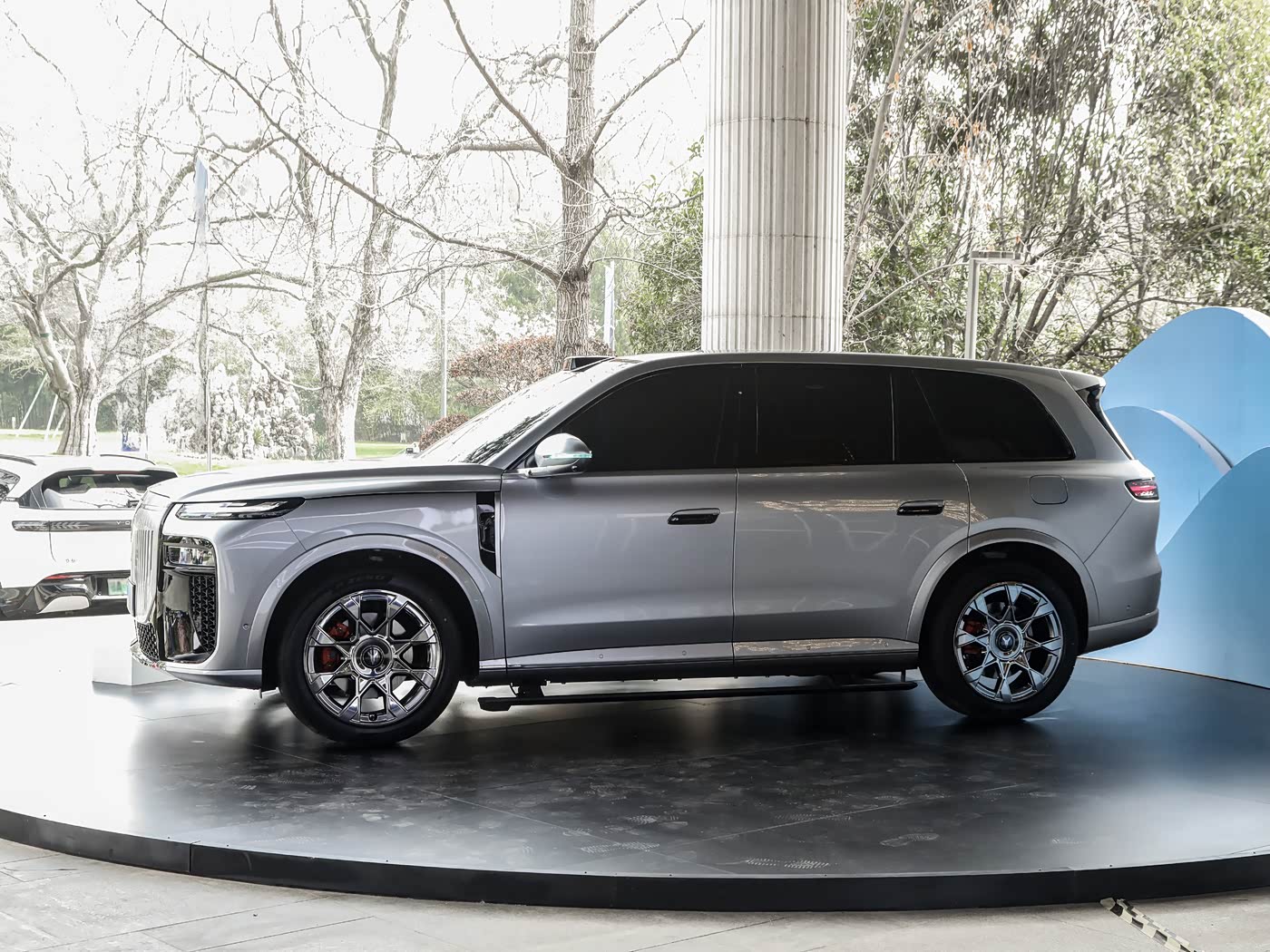
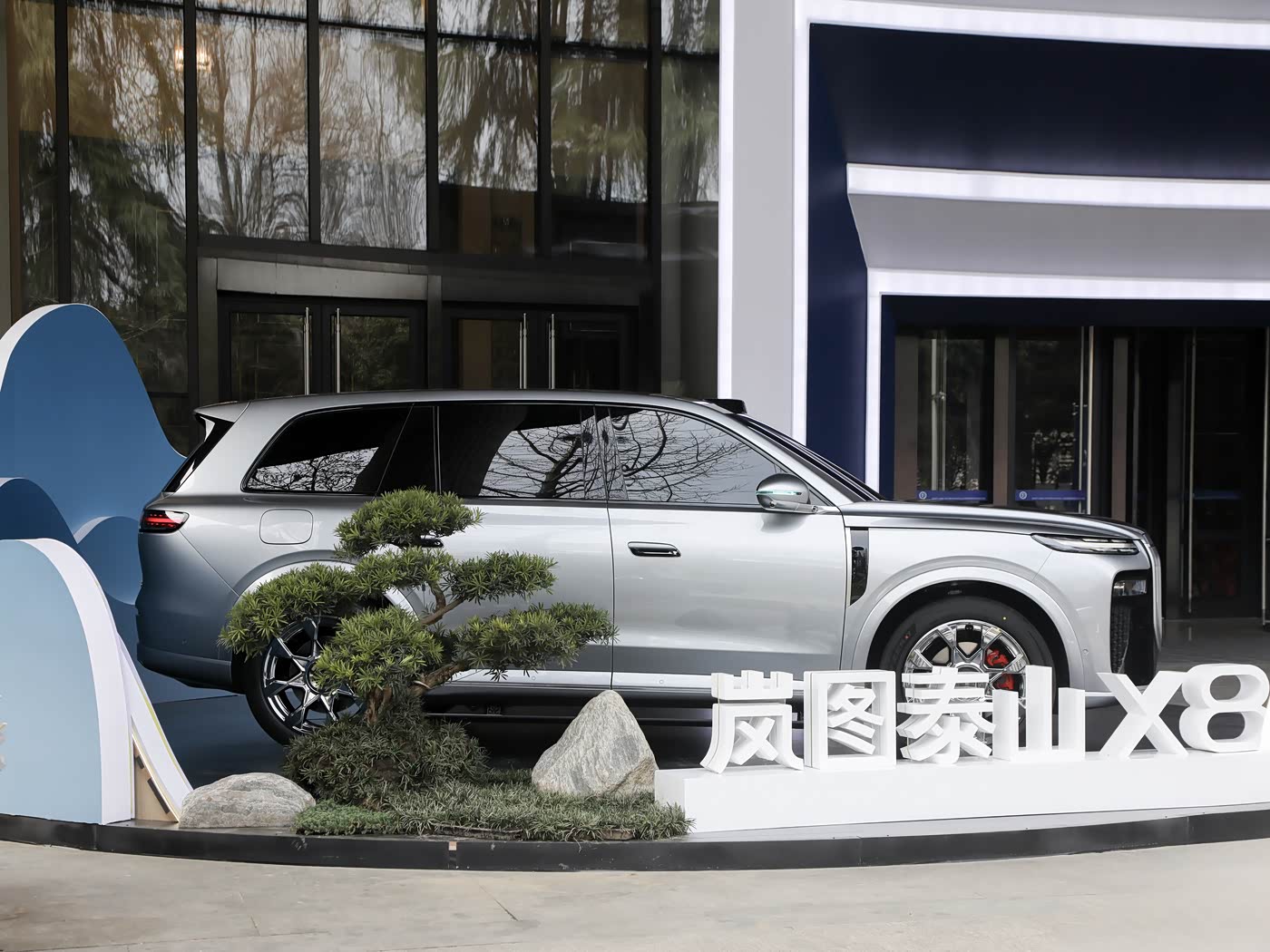
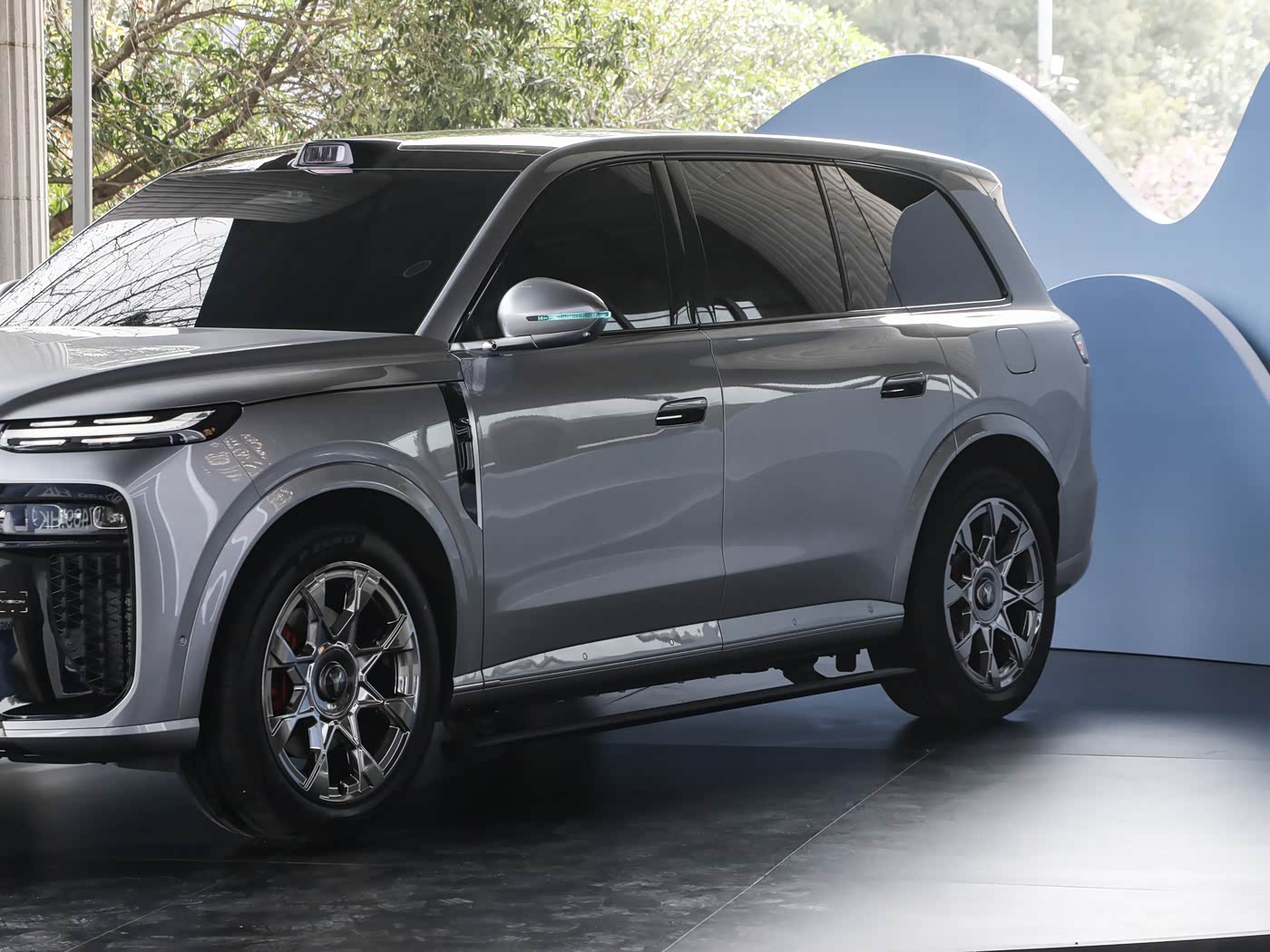
Dimensionally, the Taishan X8 measures 5,200mm in length, 2,025mm in width, and 1,814mm in height, with a wheelbase of 3,090mm. This puts it squarely in the full-size luxury SUV category, competing with established players in both traditional and electric segments. The exterior design continues the Taishan family language, featuring a closed-off front grille with waterfall-style decorative elements. The headlights, lower grille, and radar sensors are cleverly integrated into new black trim pieces, creating a clean, modern appearance. At the rear, a full-width taillight bar is bisected by the Voyah English brand lettering.
The plug-in hybrid variant utilizes a 1.5-liter turbocharged engine producing 110kW, paired with dual electric motors in two different power configurations. The first option features front and rear motors rated at 150kW and 215kW respectively, while the higher-performance variant increases the rear motor output to 230kW. The system supports 800V high-voltage architecture with 5C ultra-fast charging capability. Pure electric range options include 190km, 300km, and 310km, with fuel consumption during charge-depleting operation rated at either 6.8L/100km or 6.5L/100km. The pure electric model’s 120kWh battery pack should deliver substantial range, though official figures have not yet been released.
Market Position & Competition
The Voyah Taishan X8 enters an increasingly competitive segment of technology-forward luxury SUVs in the Chinese market. With its 896-line LiDAR system, it significantly outguns most competitors in sensor resolution. For context, many vehicles currently on the market use 128-line or 256-line LiDAR units, making the Taishan X8’s nearly 900-line system a substantial leap forward in environmental perception capability. The addition of three solid-state LiDAR units further enhances the vehicle’s ability to build a comprehensive understanding of its surroundings, crucial for advanced driver assistance and future autonomous driving functions.
This positions the Taishan X8 to compete directly with vehicles like the Li Auto L9, NIO ES7, and Xpeng G9, all of which have staked their reputations on advanced technology integration. However, the Taishan X8’s sensor suite appears to exceed what these competitors currently offer. The debut of Huawei’s latest intelligent cockpit system also gives Voyah a potential software advantage, as Huawei has been investing heavily in automotive operating systems and user interface design. Expected pricing for vehicles in this segment typically ranges from ¥400,000 to ¥600,000 RMB (approximately $55,000 to $83,000 USD), though Voyah has not yet announced official pricing for the Taishan X8.
The decision to offer both plug-in hybrid and pure electric variants demonstrates Voyah’s pragmatic approach to the market. While China’s EV infrastructure has expanded rapidly, range anxiety remains a concern for some buyers, particularly those who frequently travel to less-developed regions. The PHEV option, with its 300km+ electric range and gasoline backup, provides a compelling compromise. Meanwhile, the 120kWh pure electric variant targets buyers who have fully committed to electrification and prioritize maximum range and performance.
Should You Buy One?
The Voyah Taishan X8 makes a compelling case for buyers prioritizing cutting-edge technology and premium comfort. The 896-line LiDAR system represents a genuine technological differentiator that could translate into meaningfully better autonomous driving capabilities compared to competitors. If Voyah’s software can effectively utilize this hardware advantage, early adopters may find themselves with a vehicle that offers driver assistance features approaching Level 3 autonomy in certain conditions. The integration with Huawei’s ecosystem could also appeal to buyers already invested in Huawei smartphones, tablets, and smart home devices.
The second-row seating experience appears exceptional on paper, potentially rivaling dedicated luxury sedans and even some chauffeur-focused vehicles. For business executives or families who prioritize rear passenger comfort, the 145-degree recline, 200mm of adjustment range, and advanced massage functions could justify the premium pricing. Those interested in how such innovations are reshaping the automotive landscape can explore comprehensive technical analyses at AI Tools & API Access for deeper insights into EV technology trends.
However, prospective buyers should consider several factors. As a relatively young brand, Voyah doesn’t yet have the established service network or long-term reliability track record of legacy luxury brands. The complexity of the sensor suite and advanced electronics could also raise concerns about maintenance costs and long-term durability. Additionally, the 800V architecture and 5C charging capability are only beneficial if compatible charging infrastructure is available along your regular routes. Chinese tier-1 cities have excellent charging networks, but coverage varies significantly in smaller cities and rural areas.
Verdict
The Voyah Taishan X8 represents an ambitious technological showcase that pushes the boundaries of what’s currently available in production vehicles. The 896-line LiDAR system isn’t just an incremental improvement over existing solutions-it’s a generational leap that could enable genuinely new capabilities. Combined with Huawei’s latest smart cabin technology and a choice between practical PHEV and long-range pure electric powertrains, the Taishan X8 has the specifications to challenge established premium players.
Whether these impressive specifications translate into a compelling ownership experience will depend on software execution, build quality, and after-sales support-areas where Voyah is still proving itself. For technology enthusiasts willing to bet on a newer brand in exchange for cutting-edge features, the Taishan X8 offers an intriguing proposition. More conservative buyers might prefer to wait for real-world reviews and reliability data before committing. Either way, the Taishan X8 signals that Chinese automakers are not just catching up to global luxury brands-they’re beginning to define new standards for what a premium intelligent electric vehicle should offer.
Compare Recommended Products
| Product | Best For | Fitment | MOQ | Use Case | Action |
|---|
Looking for EV accessories for your market?
Tell us your target market, vehicle model and quantity. We will match suitable products from China.