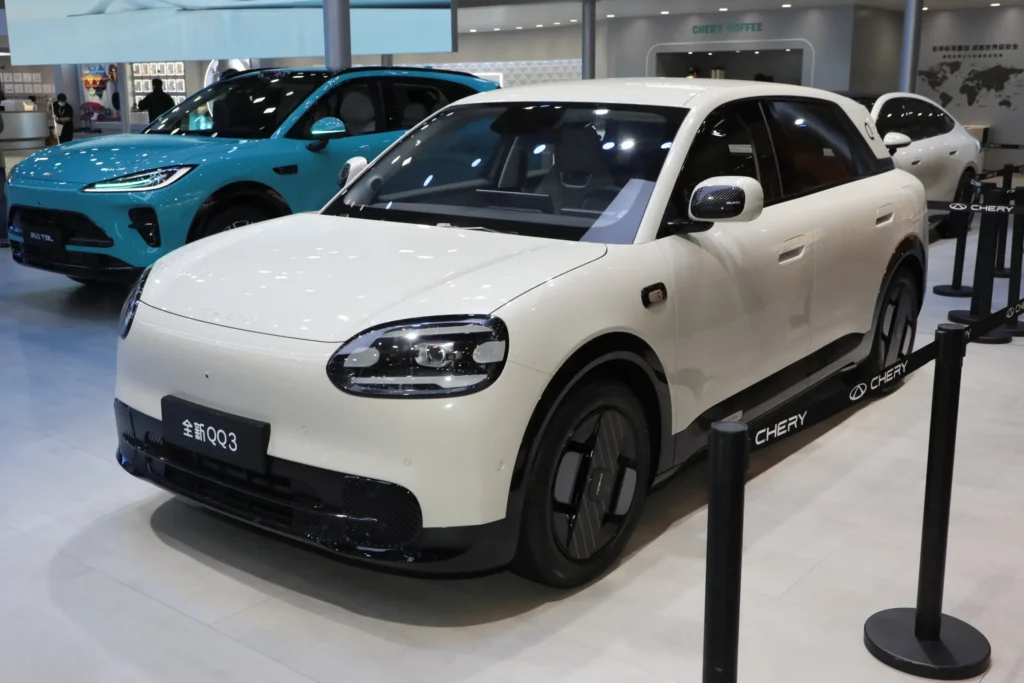
Chery Automobile is set to officially launch its all-new QQ3 electric vehicle on March 30, marking a dramatic reinvention of the iconic nameplate for the electric era. Positioned as an “AI Smart Fun Pure Electric Sedan,” this compact EV is built on an entirely new dedicated electric platform and comes packed with advanced technology including the AI Lingxi Smart Cabin and Falcon 500 driver assistance system. Pre-sales have already begun with pricing set between 68,920-89,985 RMB ($9,506-$12,412 USD, China market pricing), targeting young urban buyers seeking affordable electrification with premium features.
The original QQ3 was one of China’s most recognizable budget cars in the early 2000s, and Chery is banking on that nostalgic brand equity while completely transforming the vehicle’s positioning. This isn’t a budget runabout anymore-it’s a tech-forward urban EV designed to compete in China’s increasingly sophisticated small electric vehicle segment. For those tracking the rapid evolution of electric vehicle technology and market trends, you can visit AI Tools & API Access for the latest EV insights and comprehensive coverage of emerging automotive innovations.
Key Features & Specs
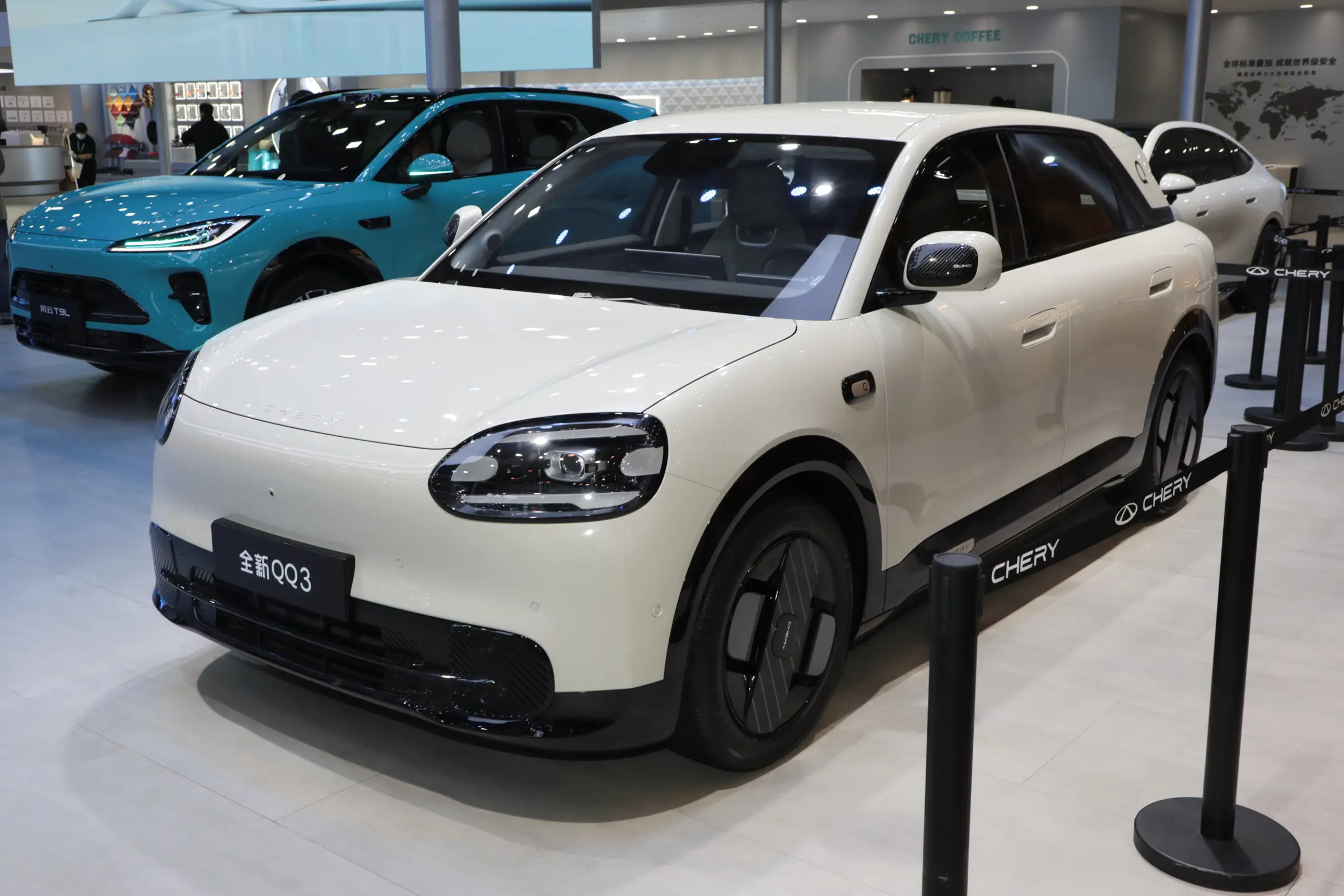
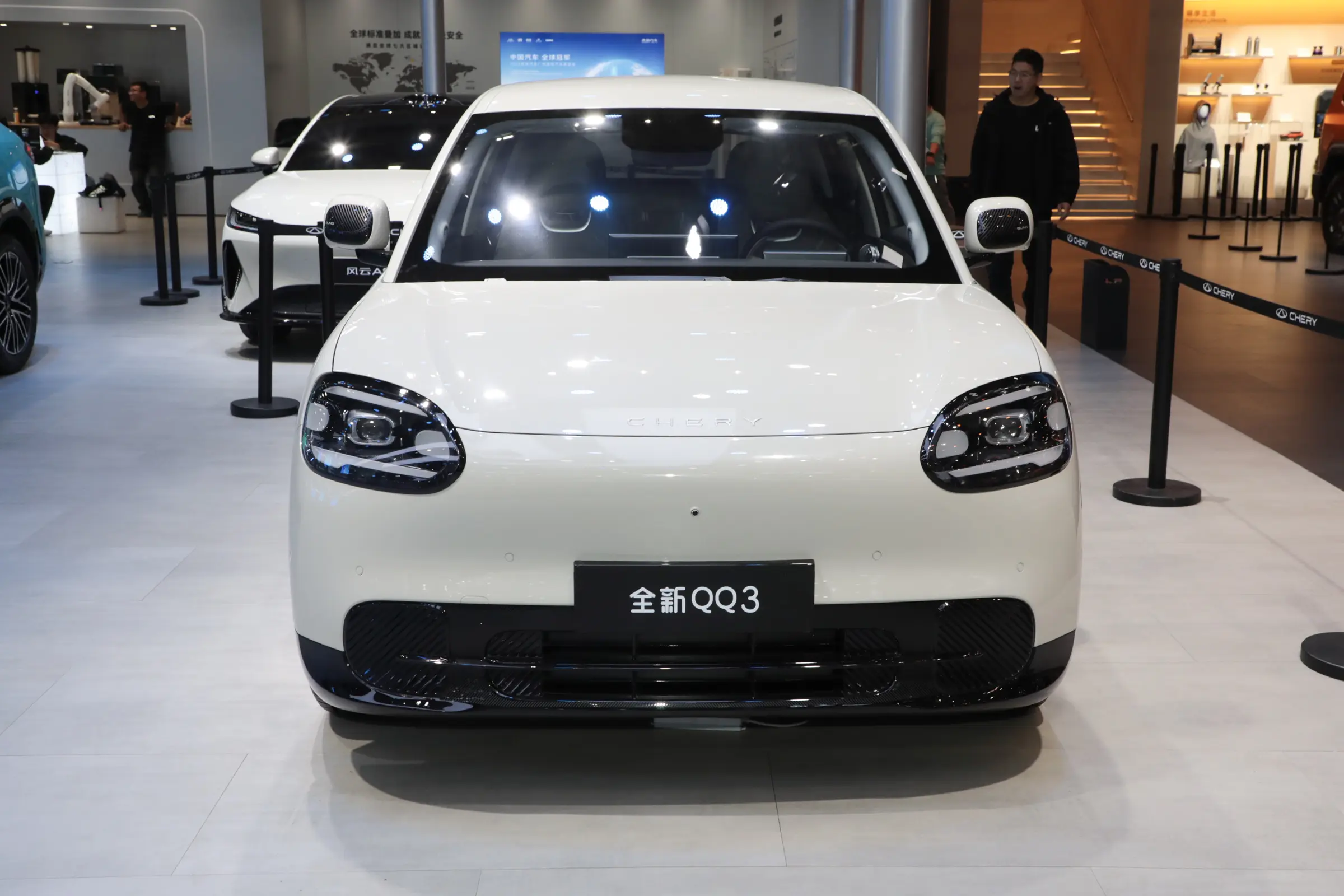
The all-new QQ3 adopts what Chery calls “Square-Circle Symbiotic Happy Aesthetics” design language, featuring rounded body forms with rounded rectangular design elements throughout. The two-box A0-segment hatchback measures 4,195mm long, 1,811mm wide, and 1,573mm tall, with a 2,700mm wheelbase. Chery emphasizes the vehicle’s proportions with a 0.643 wheelbase-to-length ratio, 2.39 wheel-to-height ratio, and 3x wheel-to-axle ratio, creating short overhangs that maximize interior space while maintaining compact exterior dimensions. The rear design features what Chery describes as a “little fat hip” shape-wider at the bottom and narrower at top-with elliptical LED taillights that echo the front lighting signature.
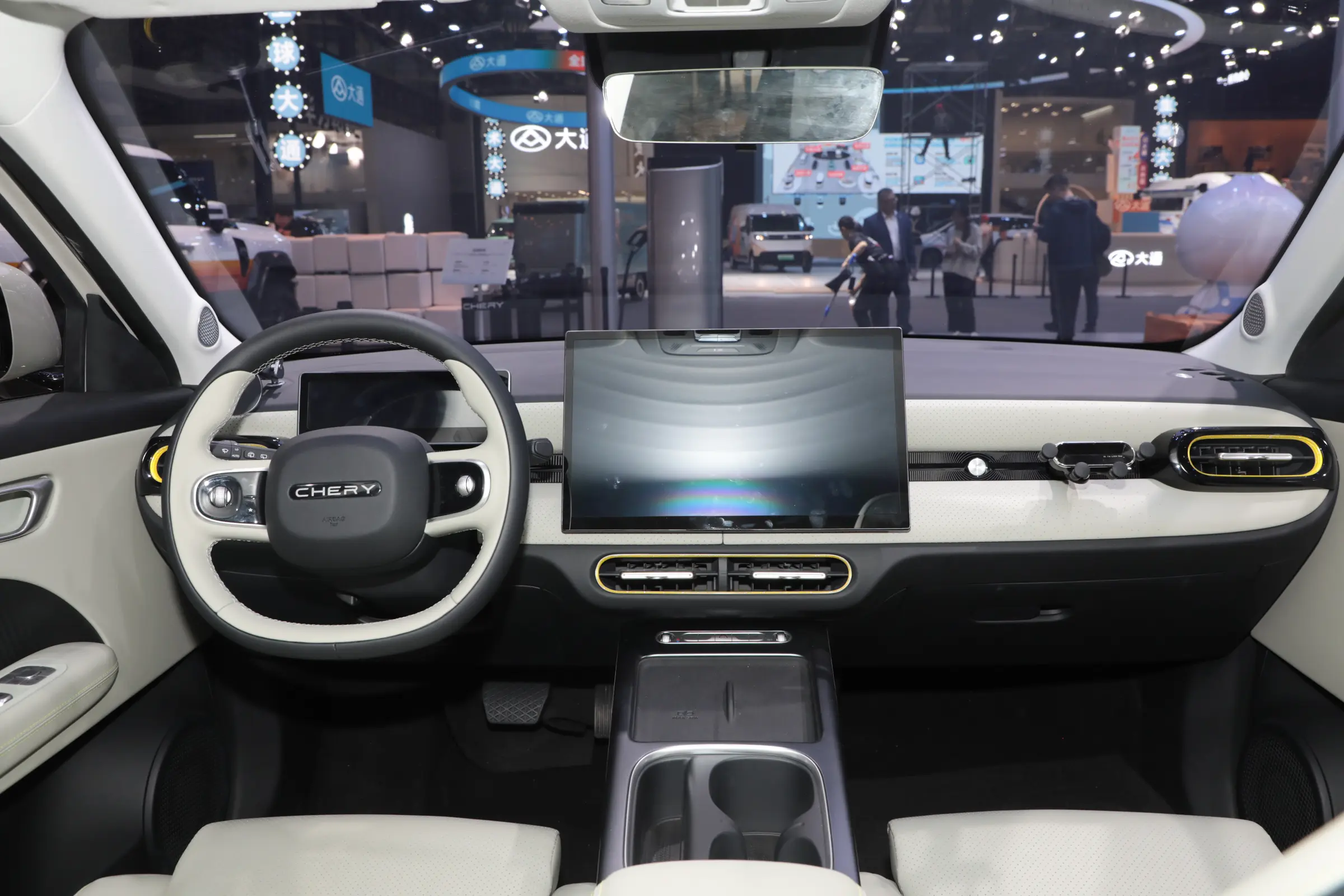
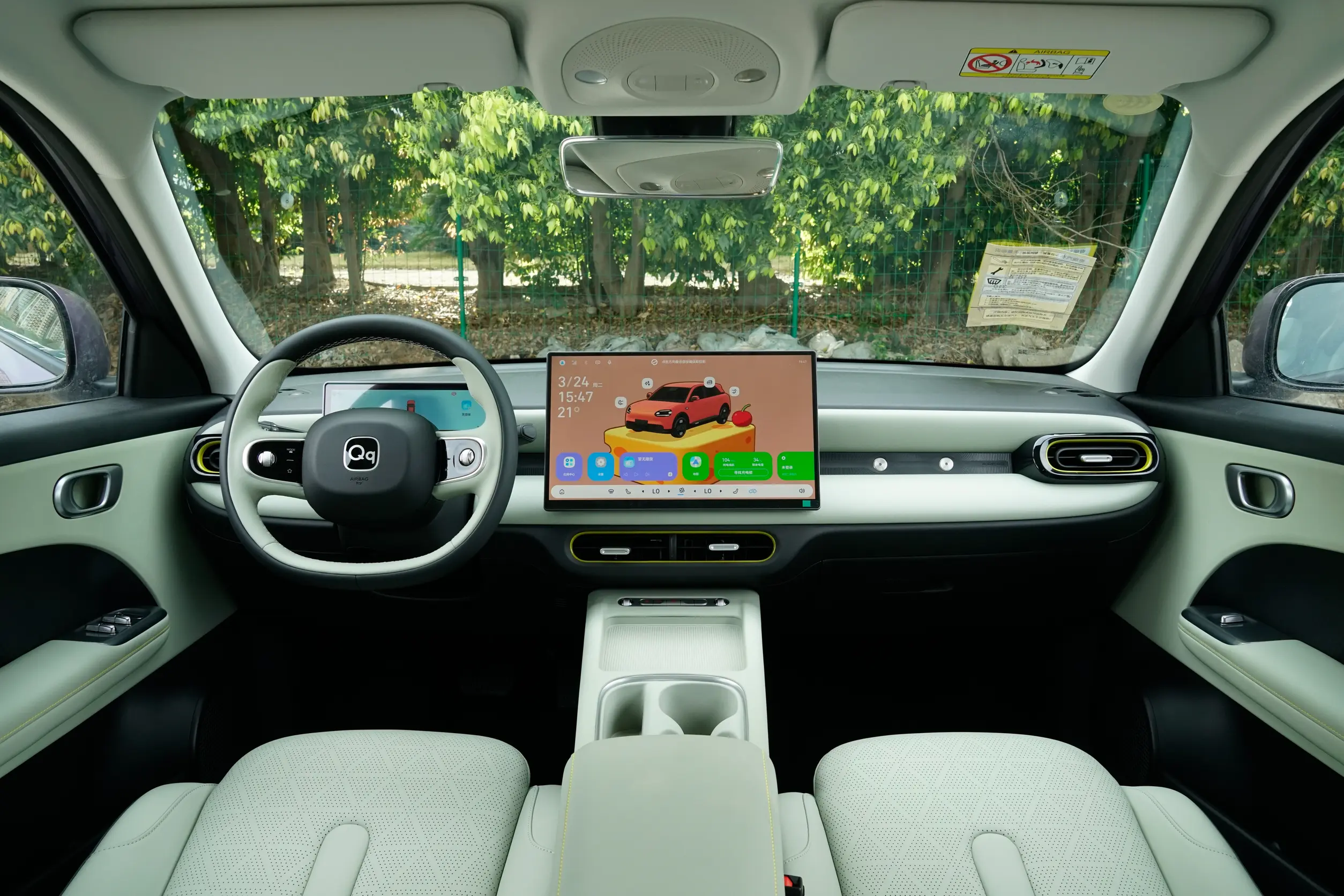
Inside, the cabin adopts an enveloping cockpit design with horizontal lines dividing the dashboard into distinct layers. Color options include white-and-black dual-tone or light green themes with bright yellow accents and chrome detailing for a fresh, youthful atmosphere. The dashboard features expansion ports for phone holders, figurines, and other accessories-a thoughtful touch for personalization-minded buyers. Physical buttons remain for frequently-used functions, supporting blind operation while driving. The technology centerpiece is a floating full-LCD instrument cluster paired with a 15.6-inch 2.5K resolution central touchscreen powered by the Qualcomm Snapdragon 8155 chip. The AI Lingxi Smart Cabin integrates the Carmind intelligent large language model, offering features like exterior voice projection, multi-scenario voice control with “see it, say it” functionality, AI voice interaction, vehicle connectivity, OTA updates, mainstream phone-car interconnection, and specialized modes including nap, pet, camping, and sentry modes. A 50W wireless phone charging pad is also included.
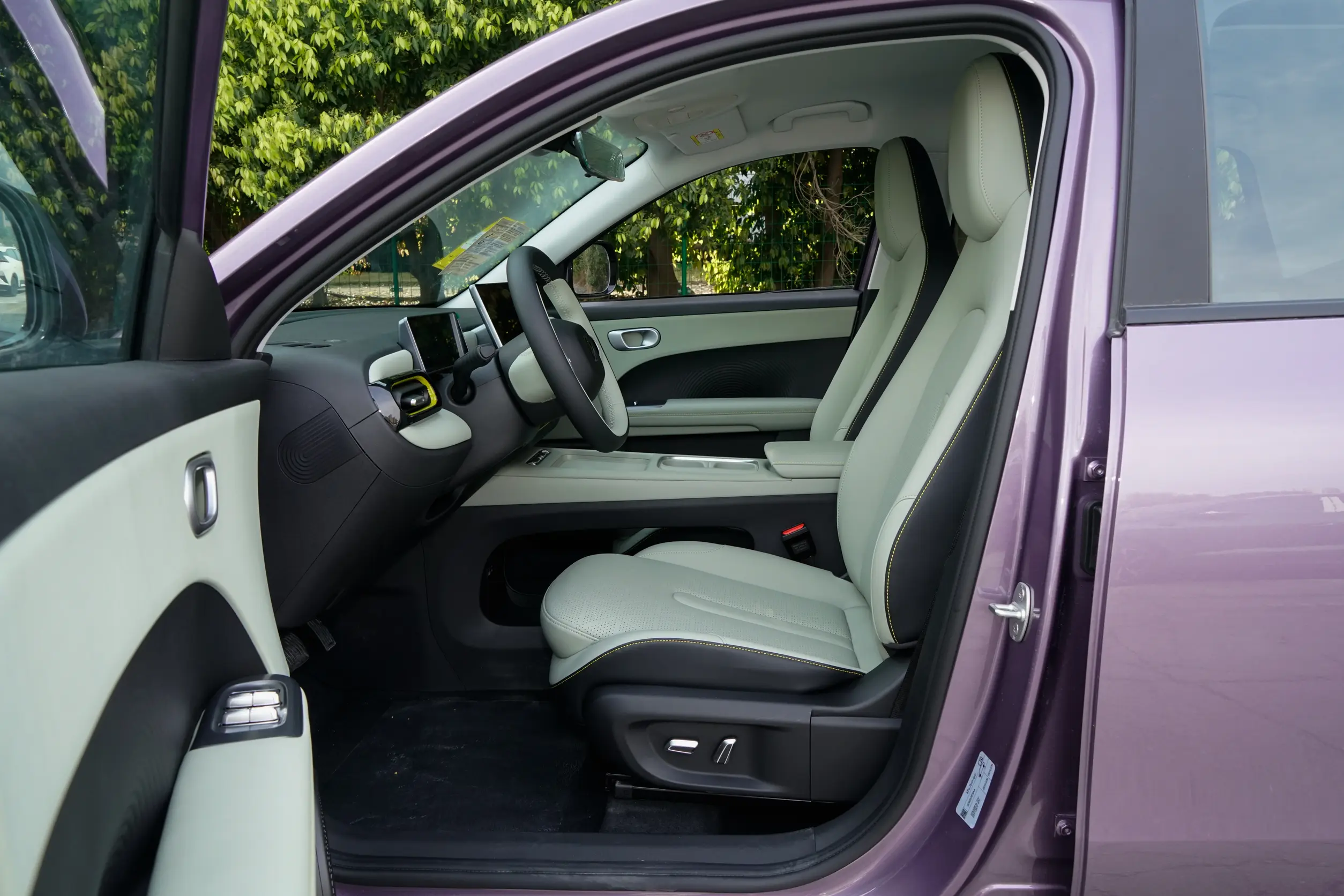
Driver assistance capabilities reach L2 autonomy through the Falcon 500 system, providing highway and expressway Navigate on Autopilot (NOA) and comprehensive parking assistance with memory parking function. Seating uses premium leather with integrated sport-style front seats; the driver’s seat offers power adjustment with suction-type ventilation and heating. Rear passengers get dedicated air vents and a fold-down center armrest. Storage is impressive for the class: a massive 35-liter under-rear-seat compartment, a 70-liter power front trunk (frunk) under the hood with hooks and drainage holes accessible via eight different opening methods, and a 375-liter rear cargo area expandable to 1,450 liters with seven opening modes.
Market Position & Competition
The new QQ3 enters a fiercely competitive segment of the Chinese EV market where affordability meets technology. At 68,920-89,985 RMB ($9,506-$12,412), it positions slightly above bare-bones urban EVs like the Wuling Hongguang MINI EV but undercuts more premium offerings from BYD’s Seagull and Dolphin lines. The combination of genuine L2 driver assistance, Qualcomm 8155 chipset, and thoughtful storage solutions suggests Chery is targeting buyers who want advanced features without stretching to the 100,000+ RMB price bracket where models like the BYD Dolphin and Geely Geometry E3 compete.
The QQ3’s focus on AI integration and personalization features distinguishes it from competitors emphasizing pure range or performance. While 310-420km CLTC range isn’t segment-leading, it’s adequate for urban and suburban use-the primary use case for this vehicle class. The rear-wheel-drive layout with either 58kW or 90kW motors provides decent performance (the 90kW variant should offer spirited acceleration), while the front MacPherson strut and rear multi-link independent suspension setup is unusually sophisticated for this price point, where torsion beam rear axles typically dominate.
Chery’s brand positioning has evolved significantly from its budget origins. The company now emphasizes technology and quality, competing directly with domestic leaders like BYD, Geely, and Great Wall while avoiding direct confrontation with Tesla and premium European brands. The QQ3 nameplate revival leverages nostalgia while the actual product targets millennials and Gen Z buyers who never owned the original but appreciate retro-modern aesthetics and tech-forward features. This strategy mirrors successful reinventions like the Fiat 500e and MINI Electric, adapted for Chinese market preferences and price sensibilities.
Should You Buy One?
The all-new Chery QQ3 makes compelling sense for urban Chinese buyers seeking their first EV or downsizing from larger vehicles. The 420km range variant should handle most daily driving with weekly charging, while the comprehensive fast-charging support (specific charging speeds weren’t detailed in the announcement) should enable longer occasional trips. The AI-powered cabin experience with Qualcomm 8155 processing puts this small car’s infotainment capabilities ahead of vehicles costing significantly more just two years ago, demonstrating how quickly advanced technology is trickling down to affordable segments.
Practicality is surprisingly strong. The 70-liter frunk, 35-liter under-seat storage, and 375-1,450 liter rear cargo capacity collectively provide more versatility than many larger vehicles. Features like pet mode, camping mode, and sentry mode acknowledge how EVs enable new usage patterns beyond simple transportation. The memory parking function addresses a real pain point in crowded Chinese urban parking situations. For technology enthusiasts monitoring how artificial intelligence is reshaping automotive user experiences, models like the QQ3 demonstrate mainstream adoption of features that were science fiction just years ago-a trend comprehensively covered when you visit AI Tools & API Access for detailed EV technology analysis.
However, potential buyers should consider limitations. The 310km base range might prove restrictive for those with longer commutes or frequent highway travel. Chery’s charging network and service footprint, while improving, doesn’t match established players like BYD or Tesla. Resale value remains uncertain given Chery’s brand perception challenges in some markets. International buyers should note this vehicle is designed specifically for the Chinese market with no confirmed export plans, though Chery has been expanding its global presence.
Verdict
The all-new Chery QQ3 represents a microcosm of China’s EV market evolution-affordable pricing combined with technology and features that would have been flagship-exclusive just years ago. By packing Qualcomm 8155 computing, L2 autonomy, sophisticated AI voice control, and thoughtful design into a package starting under 70,000 RMB, Chery demonstrates how competitive pressure is driving rapid value improvement for consumers. The March 30 launch will reveal final specifications and real-world impressions, but pre-sale figures suggest strong market interest.
Whether the QQ3 succeeds depends on execution quality-specifically software reliability, real-world range, and build quality. Chery has made tremendous quality strides, but premium features mean little if core functionality disappoints. For buyers prioritizing technology, urban maneuverability,
Compare Recommended Products
| Product | Best For | Fitment | MOQ | Use Case | Action |
|---|
Looking for EV accessories for your market?
Tell us your target market, vehicle model and quantity. We will match suitable products from China.